
New Tech Claims to Help Control Dreams
A startup called Prophetic AI is stirring up excitement and some doubts with its recent announcement. The company says it has created a wearable device that may allow people to influence and even control their dreams—a notion that sounds like it’s straight out of science fiction.
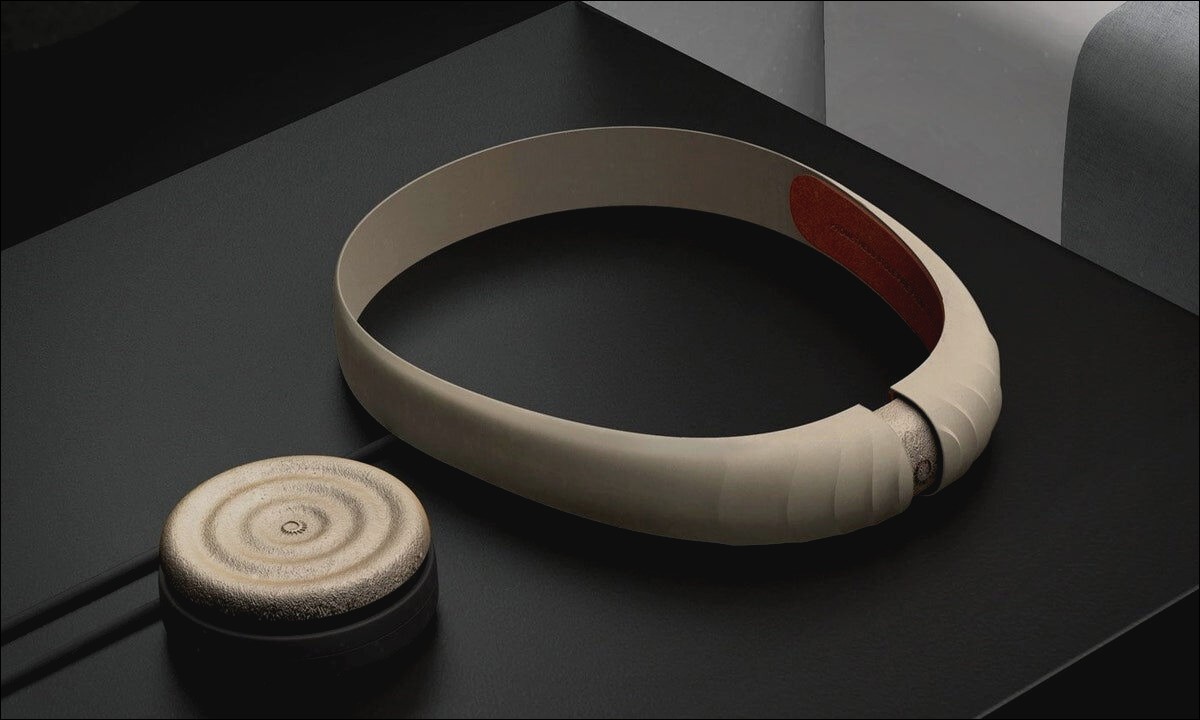
Prophetic AI has launched two devices, named Dual and Phase, both designed to be worn like headbands. According to the company, these gadgets aim to help users achieve lucid dreaming. This is a state where someone becomes aware they are dreaming and can guide the direction of their dreams.
On their social media, Prophetic AI explained how their technology works. The wearables emit safe ultrasonic waves aimed at the prefrontal cortex, a part of the brain linked to higher thinking and self-awareness. The goal is to activate the frontoparietal network, usually less active during sleep, so users can cultivate awareness while dreaming.
By stimulating this brain area, Prophetic believes the device can help people enter a lucid state more easily. The system also features EEG sensors, which track brain activity to determine when a user is in REM sleep—the phase where vivid dreams occur—and adjust accordingly.
This innovative approach uses a technique called transcranial focused ultrasound (tFUS), combined with AI to target brain activity. Theoretically, this could not only help in achieving lucid dreams but also enhance the ability to recall dreams and possibly give users some control over their dream experiences. However, experts point out that more research is required before the reliability of this technology is confirmed.
Despite some uncertainty surrounding the effectiveness of these devices, interest is on the rise. Consumers seem more eager than ever for tools that can enrich their mental experiences, particularly concerning sleep and dreams.
For those interested in purchasing, the Prophetic Dual will start at around $449, while the more advanced Prophetic Phase will be priced at $1,299, with both expected to ship later this year and in mid-2027, respectively.
While it’s exciting to think about controlling dreams, it remains to be seen if Prophetic AI can make this a reality. For now, this venture paints a fascinating picture of the crossroads between neuroscience, artificial intelligence, and new technologies.
