Close Menu
  • Home
  • World News
  • India News
  • Business News
  • Health
  • Sports
  • Indian Diaspora In US
  • Technology
  • Bollywood
  • Education
Facebook X (Twitter) Instagram
Tuesday, June 9, 2026
Breaking News
  • Gorenje Joins Forces with FIFA World Cup 2026™ for an Exciting Partnership!
  • ATU-Ozark Teams Up with Butterball for Innovative Welding Training Program
  • Is Season 2 of Bambai Meri Jaan on the Horizon? Avinash Tiwary and Shujaat Saudagar’s Meeting Fuels Excitement for Their Next Project!
  • Psilocybin Mushrooms Show Promise for Enhancing Brain Health in Alzheimer’s Patients
  • Women’s T20 World Cup Group B Spotlight: Will West Indies and Sri Lanka Defy the Odds?
  • Peru’s Election: A Game-Changer for Latin America’s Power Dynamics and U.S. Relations
  • Air India Passenger Shatters Window Before Touchdown; ‘No Fly’ Decision in the Works
  • Dallas Cowboys Update: Shavon Revel Jr. Steps Up at Full Strength!
Facebook X (Twitter) Instagram
India Bulletin
Advertisement
  • Home
  • World News
  • India News
  • Business News
  • Health
  • Sports
  • Indian Diaspora In US
  • Technology
  • Bollywood
  • Education
India Bulletin
Home»Health»Study Reveals High-Salt Diet Could Accelerate Aging of Blood Vessels through Immune Response
Health

Study Reveals High-Salt Diet Could Accelerate Aging of Blood Vessels through Immune Response

April 22, 20262 Mins Read
Facebook Twitter Email
Share
Facebook Twitter Email


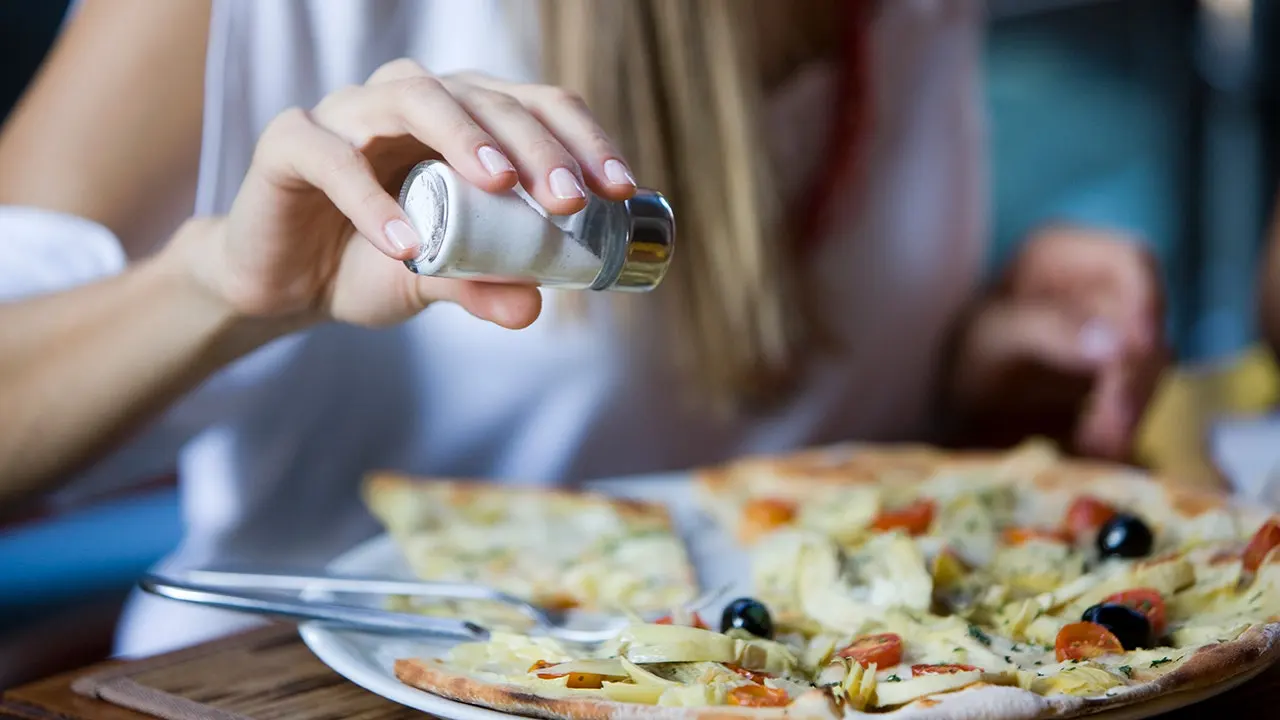
High Salt Intake May Accelerate Blood Vessel Aging, Study Finds

Recent research highlights a troubling link between a salty diet and the aging of blood vessels. While it’s well-known that eating too much salt can lead to high blood pressure, this new study suggests that it may also trick the immune system into making blood vessels behave like they’re older than they really are.

A team of researchers from the University of South Alabama conducted a preclinical study that found significant issues with blood vessel function in mice fed a high-sodium diet. After just four weeks, these mice exhibited a decline in their small arteries’ ability to relax, which is crucial for proper blood flow.

The study reveals that the cells lining these vessels entered a state known as cellular senescence. In this state, the cells stop dividing and release inflammatory signals that can be harmful to nearby tissues.

Interestingly, when researchers exposed blood vessel cells to salt in a lab setting, they found no immediate damage. This indicates that salt may not be directly harmful but could be activating the body’s own immune responses. The researchers believe that excess salt may cause the immune system to release a molecule called interleukin-16 (IL-16), which sends signals to the blood vessel cells, causing them to age prematurely.

Once the cells are aged, they struggle to produce nitric oxide, a gas that keeps arteries flexible and allows them to expand properly. To explore whether this aging process could be reversed, the researchers used a type of experimental medication known as senolytics. They applied navitoclax, a drug designed to remove aged cells, and observed a significant restoration of blood vessel function in the salt-fed mice.

However, the study noted some important limitations. Transitioning from mice to human applications poses a significant challenge. Further, while senolytic drugs are still under investigation for safety, previous studies have yielded mixed results concerning their effects on artery health. The researchers have yet to confirm whether the same IL-16 pathway is responsible for vascular aging in humans.

This breakthrough research underscores the potential dangers of excessive salt in our diets and sheds light on the complex relationship between diet, immune response, and cardiovascular health.

circulation issues Health heart health high blood pressure medical research nutrition studies
Share. Facebook Twitter Email
admin
  • Website

Related Posts

Psilocybin Mushrooms Show Promise for Enhancing Brain Health in Alzheimer’s Patients

June 9, 2026

Dallas Cowboys Update: Shavon Revel Jr. Steps Up at Full Strength!

June 9, 2026

Gut Microbiome Could Hold Key to Understanding Sepsis Severity, New Research Reveals

June 8, 2026
  • Facebook
  • Twitter
  • Instagram
Don't Miss

Gorenje Joins Forces with FIFA World Cup 2026™ for an Exciting Partnership!

ATU-Ozark Teams Up with Butterball for Innovative Welding Training Program

Is Season 2 of Bambai Meri Jaan on the Horizon? Avinash Tiwary and Shujaat Saudagar’s Meeting Fuels Excitement for Their Next Project!

Psilocybin Mushrooms Show Promise for Enhancing Brain Health in Alzheimer’s Patients

Started in 2004, India Bulletin is the largest and
most read South Asian publication
in Chicago and surrounding Midwest.

  • Home
  • About Us
  • Contact
  • Advertise With Us
  • Privacy Policy
  • Terms of Use
  • Disclaimer
  • CCPA
News
  • Bollywood
  • Business News
  • Health
  • India News
  • Indian Diaspora In US
  • Sports
  • Technology
  • World News
Facebook X (Twitter) Instagram

Type above and press Enter to search. Press Esc to cancel.

Accessibility Adjustments

Powered by OneTap

How long do you want to hide the toolbar?
Hide Toolbar Duration
Select your accessibility profile
Vision Impaired Mode
Enhances website's visuals
Seizure Safe Profile
Clear flashes & reduces color
ADHD Friendly Mode
Focused browsing, distraction-free
Blindness Mode
Reduces distractions, improves focus
Epilepsy Safe Mode
Dims colors and stops blinking
Content Modules
Font Size

Default

Line Height

Default

Color Modules
Orientation Modules