
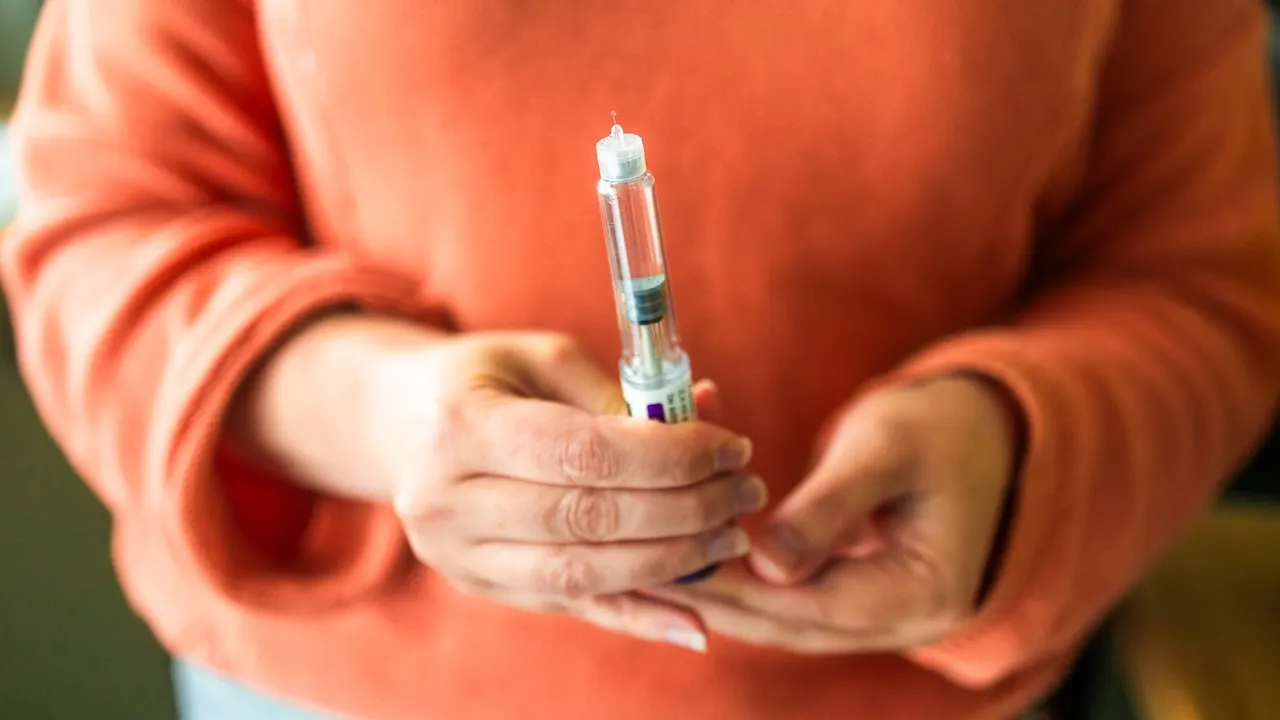
Exploring the Trend of Microdosing GLP-1 Medications for Weight Management
The use of GLP-1 drugs, which help manage weight and improve metabolic health, is gaining attention. Some people report better results when they use smaller doses, known as microdosing. However, medical experts caution against this practice.
Dr. Terry Dubrow, a plastic surgeon and television personality, recently expressed support for low daily doses of GLP-1s, suggesting that even those who are not trying to lose weight may benefit. He believes starting with half the typical dosage could help regulate blood sugar levels more effectively.
The idea of microdosing has spread on social media, with many influencers advocating it as a solution for not just people with diabetes or obesity, but for anyone looking to improve their health. For instance, Bryan Johnson, a venture capitalist and online creator focused on longevity, shared his experience with microdosing Ozempic on a podcast, highlighting the benefits he experienced despite some side effects.
Johnson noted that microdosing could soon become as commonplace as taking daily vitamins, as he believes GLP-1 drugs offer substantial health advantages. However, not all experts agree with this perspective. They warn that microdosing might not be beneficial for everyone and could lead to higher long-term costs without fulfilling expectations.
Dr. Andre Teixeira, a bariatric surgeon, pointed out that there isn’t a standardized protocol for microdosing and that it should be approached with caution. He emphasized that attempting to microdose without supervision can lead to unfulfilled weight loss goals and potential side effects, such as nausea.
Experts recommend consulting with a healthcare professional before trying GLP-1 medications to ensure safe and effective use. While the trend of microdosing may seem appealing, the benefits should be weighed against possible drawbacks.
