
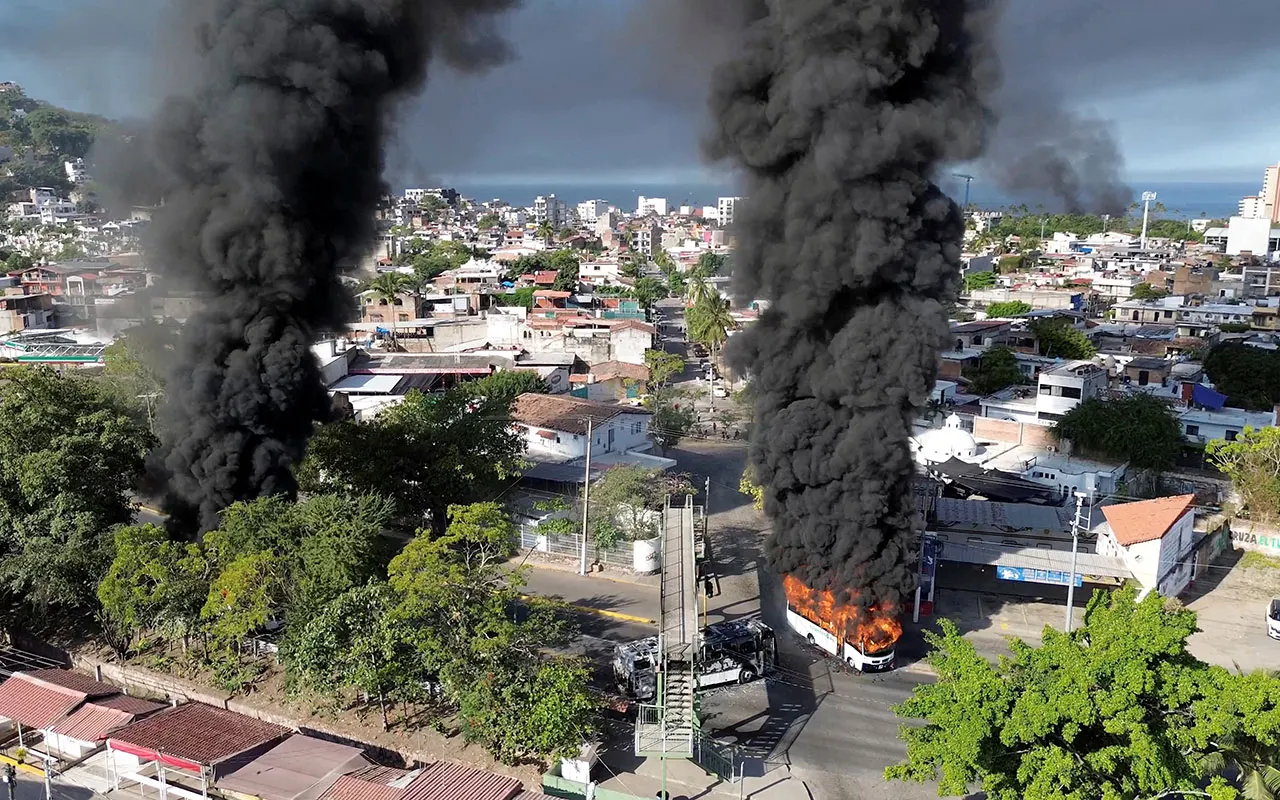
El Mencho’s Death: A Turning Point in the Drug War?
The death of notorious drug lord Nemesio “El Mencho” Oseguera Cervantes is being hailed as a significant win in the ongoing fight against drug cartels. However, it also represents a strategic move in response to increasing pressure from the U.S., leading to a shift in how Mexico tackles cartel activities.
The operation that resulted in his death involved Mexican military forces, with pivotal support from U.S. intelligence, highlighting growing collaboration between the two nations, especially as the issue of fentanyl trafficking remains a top priority in the U.S.
Senator Ted Cruz, from Texas, noted that he had warned Mexican authorities last year that Washington expected stronger action against the cartels. During his visit to Mexico, he emphasized the need for serious efforts to combat drug and human trafficking.
Cruz stated, “This operation wasn’t a surprise. It shows that Mexico has notably changed its approach to fighting cartels due to pressure from the U.S. Thousands of American lives are saved because of this shift.” He believes that if the previous administration’s border policies had remained, many more lives could have been lost.
Melissa Ford Maldonado, a director at the America First Policy Institute, echoed this sentiment, stating that U.S. pressure has significantly influenced Mexico’s actions. She remarked, “When the U.S. demands results, Mexico feels the pressure to act.”
The death of El Mencho, one of the most wanted figures in the region, is seen as a tangible result for the Mexican government. Yet, Ford Maldonado cautioned that such tactical victories often lack the potential for lasting change.
She pointed out, “History shows that taking down cartel leaders rarely leads to stable outcomes. We’ve seen numerous arrests without solving the deeper issues of corruption and political connections that allow cartels to thrive.”
The internal dynamics in Mexico complicate matters further. The Jalisco New Generation Cartel, which El Mencho led, has had a fierce rivalry with other cartels, particularly the Sinaloa cartel. El Mencho’s killing raises questions about whether the Mexican government is truly breaking from collusion with cartels or merely targeting rivals to maintain power.
As the dust settles, analysts warn that while this event is significant, its real impact will hinge on future actions. The stability of Mexico’s fight against drug cartels going forward will depend on confronting not just the leaders like El Mencho, but the broader system that supports them. Until then, this development may remain important but not transformative.
