
Brief
U.S. military forces are increasing their presence in the Middle East amid heightened tensions with Iran. Observers note that while the size of the force deployment might seem reminiscent of the 2003 Iraq War buildup, the strategy and intent behind it are quite different.
Back in 2003, the U.S. assembled over 300,000 troops in the region, along with many coalition aircraft, to prepare for an invasion of Iraq. This time, however, there is a clear absence of large ground forces, indicating a different objective. Retired General Philip Breedlove, a former NATO commander, emphasized that there is no plan for ground troops to enter Iran this time around.
Insight
Military experts explain that current operations focus more on logistics rather than sheer numbers. John Spencer, from the Urban Warfare Institute, noted that the aim now is to show military strength without engaging in ground battles. Today’s forces, including aircraft carrier strike groups, are designed for air and sea operations, unlike the ground troops mobilized in 2003.
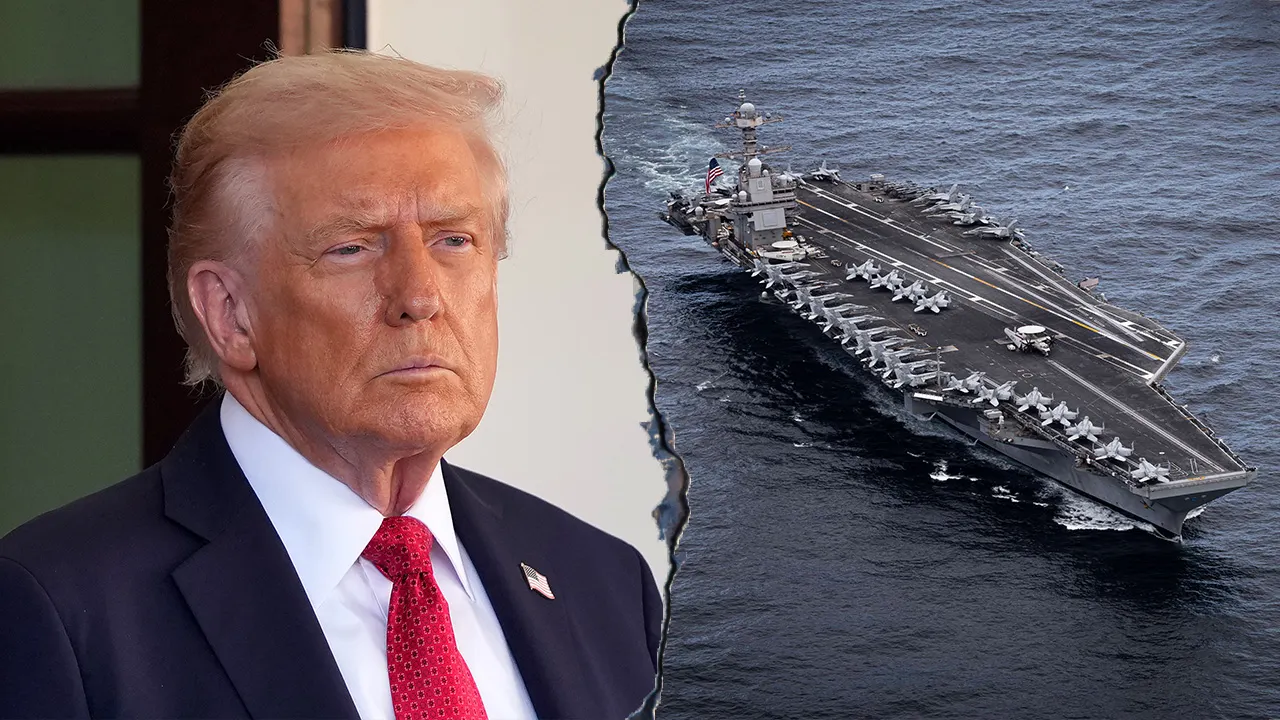
U.S. deployments now include two aircraft carrier battle groups, as well as various air defense systems, which grant President Trump significant military capabilities if he decides to take action against Iran. Javed Ali, a former counterterrorism official, mentioned that if military operations were ordered, they could target key elements of Iran’s military and nuclear capabilities.
Despite the increased presence, Breedlove pointed out that this mission seems focused on applying pressure rather than starting a war. He mentioned the importance of having clear objectives and being prepared for post-conflict planning to avoid repeating the mistakes made during past military engagements.
In summary, the current U.S. military posture appears to be about deterrence and readiness rather than invasion, emphasizing air and naval superiority while trying to compel Iran to the negotiating table without escalating into open conflict.
