
Xi Jinping and Biden Meet: A Look Ahead to U.S.-China Relations
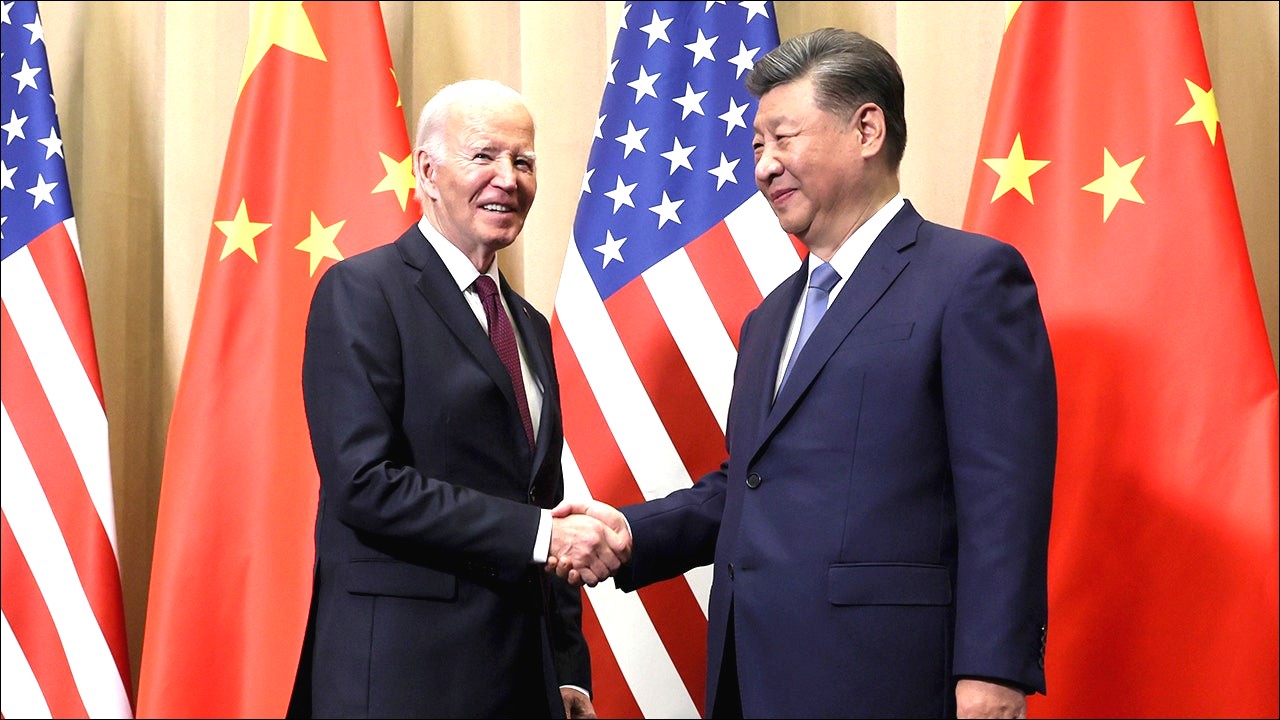
On Saturday, Chinese President Xi Jinping met with U.S. President Joe Biden for what could be their last discussion before the new administration led by President-elect Donald Trump takes over. During a meeting at the Asia-Pacific Economic Cooperation (APEC) summit in Lima, Peru, Xi expressed Beijing’s readiness to collaborate with the new U.S. government.
Xi emphasized the importance of a stable relationship between China and the U.S., stating that it not only benefits both countries but also impacts the "future and destiny of humanity." He highlighted the need for wise decisions and ongoing dialogue between the two major nations.
Though Xi did not mention Trump by name, he seemed concerned that Trump’s protectionist views during the campaign might strain U.S.-China relations further. He stated, "China is ready to work with a new U.S. administration to keep communication open, expand cooperation, and manage our differences," aiming for a smooth transition in the bilateral relationship for the sake of both peoples.
During the meeting, Biden reflected on their long relationship and the candid nature of their conversations. He noted, "While we haven’t always seen eye to eye, our talks have helped prevent misunderstandings and conflict."
The leaders discussed various pressing issues, including human rights, technology, Taiwan, and China’s support for Russia in its war against Ukraine. Biden urged Xi to convince North Korea to limit its support for Russia, stressing the growing tensions in the region. Additionally, they agreed on the need for human oversight in the use of artificial intelligence, especially concerning nuclear weapons, to enhance safety and international cooperation.
As Trump prepares to step into the presidency, there is much uncertainty about future U.S.-China ties. Trump’s campaign promised significant tariffs on Chinese imports, prompting many American companies to consider reducing their reliance on China for manufacturing. Companies like Nike and Warby Parker have already begun diversifying their supply sources, with Steve Madden planning to cut imports from China by 45% in the upcoming year.
In a message congratulating Trump, Xi called for both nations to manage their differences and to foster cooperation in a new era. His comments during the meeting with Biden appeared more directed at the incoming president, emphasizing the importance of collaboration over isolation and disruption.
White House officials are preparing for a challenging transition as they advise the incoming administration on managing competition with China. National Security Adviser Jake Sullivan noted that Biden communicated to Xi the significance of these next months as a transition period, hoping to pass on a stable U.S.-China relationship to Trump’s team.
Reflecting on their longstanding partnership, Biden recalled the many hours they have spent discussing important issues over the years. However, tensions have heightened recently due to various incidents, including cybersecurity threats linked to Chinese hackers, and China’s support for Russia.
In recent weeks, Washington has pointed out that China has increased its exports to Russia of machinery and technology for military purposes. These developments, coupled with North Korea’s threats and ballistic missile tests, have added to the complexities of U.S.-China relations.
At the APEC summit, the two leaders participated in a ceremonial photo wearing traditional Peruvian scarves, symbolizing the ties and expectations of cooperation among world leaders. As the transition unfolds, both Xi and Biden undoubtedly hope to chart a more stable path forward despite the challenges ahead.
