
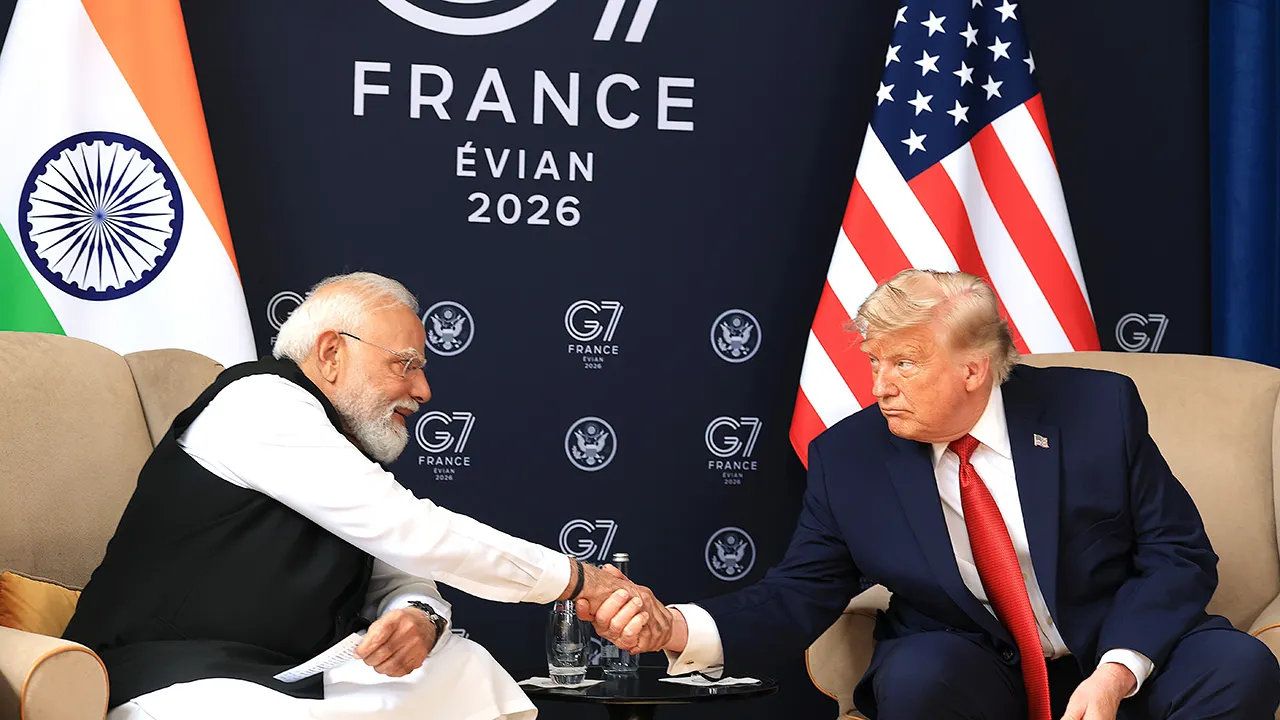
Modi and Trump Reconnect at G7 Amid Growing Diplomatic Tensions
This week, President Donald Trump met with Indian Prime Minister Narendra Modi at the G7 summit in France, marking their first meeting since February 2025. Instead of the usual bear hug, Modi welcomed Trump with a smile and a handshake, setting a cordial tone for their discussions.
Later, they held a bilateral meeting that reflected both friendship and underlying tensions. India is eager to strengthen ties with Washington, but its adversary, Pakistan, is also enhancing its diplomatic presence, complicating India’s efforts.
A Quiet Visit from the Commerce Secretary
Commerce Secretary Howard Lutnick quietly traveled to India shortly after facing a setback with tariffs.
For years, India has portrayed Pakistan as a destabilizing force. However, Modi recently stated, “India has been successful in isolating you, and we will intensify those efforts.” Yet, Pakistan has shown remarkable resilience, emerging as an influential player on the global stage.
Initially, Modi sought engagement with Pakistan, but his government eventually adopted a tougher stance, asserting that “terror and talks cannot coexist.” Historically, India has enjoyed favor from multiple U.S. administrations, including Trump and Biden.
Shifting Dynamics in U.S.-India Relations
Modi built a friendly relationship with Trump during his first term, being one of the first world leaders invited to the White House. However, as conditions evolved, the relationship has faced strains, particularly as Pakistan has regained credibility and visibility.
“India misjudged Trump in his second term, relying too much on once-friendly relations,” commented Sid Dubey, a professor at Bennett University in India. “They’re still recovering from that.”
Significant Issues on the Table
During their G7 meeting, Trump and Modi confronted trade issues and tensions surrounding tariffs. The change in U.S. policies became apparent in May 2025 when Trump claimed responsibility for a ceasefire between India and Pakistan after a decade of intense conflict.
As Islamabad praised Trump for his role in establishing a ceasefire, New Delhi remained firm, insisting that direct talks between them were the real reason behind the peace.
Though Pakistan is gaining diplomatic ground, India’s relationships have changed as well. While India has strengthened its ties with the U.S. through alliances like the Quad, Pakistan has cultivated relationships with China and other regional partners.
Concerning Situations and Strained Relations
Relations soured further when U.S. military actions inadvertently caused the deaths of Indian seafarers, leading India to voice major concerns to Washington. The impact of conflicts abroad also adds pressure on India in terms of energy and stability.
As Pakistan gains a position of trust and mediates in international matters, India is under pressure to showcase its value as a reliable partner to the U.S.
Moving Forward
As Modi aims to revive India’s image and standing in the world, Trump has expressed admiration for him, noting he would return to India in the future.
However, future engagements with a potentially different U.S. leadership loom large. Trump’s support for Modi remains strong, stating, “If anyone attacks that man, we’re going to be there,” reinforcing the U.S. commitment to India during these tense times.
The Pakistani and Indian governments have not yet responded to inquiries regarding these developments.
