
U.S. Officially Leaves World Health Organization Amid Pandemic Concerns
LONDON, Jan 22 (Reuters) – The United States has officially departed from the World Health Organization (WHO) after a year of warnings that this exit could negatively impact health both in America and around the world. The U.S. cites dissatisfaction with how the WHO has handled the COVID-19 pandemic as part of its decision.
President Donald Trump initiated the withdrawal process on his first day in office, January 20, 2025, through an executive order. A statement from U.S. health and state officials indicated that the U.S. would only maintain limited ties with the WHO during this withdrawal phase.
A senior health official made it clear, “We have no plans to be an observer or to rejoin.” Instead, the U.S. intends to collaborate directly with other nations on public health issues, bypassing the WHO for disease tracking and other health priorities.
Disagreement Over Dues
According to U.S. law, the country was supposed to provide a year’s notice and clear any outstanding payments—approximately $260 million—before leaving. However, a State Department representative contested the idea that payment was necessary for withdrawal. “The American people have paid more than enough,” the spokesperson stated.
The Department of Health and Human Services also revealed that the U.S. has ceased its funding contributions to the WHO. Trump had utilized his authority to stop future financing due to what he claimed were substantial costs the organization imposed on the U.S.
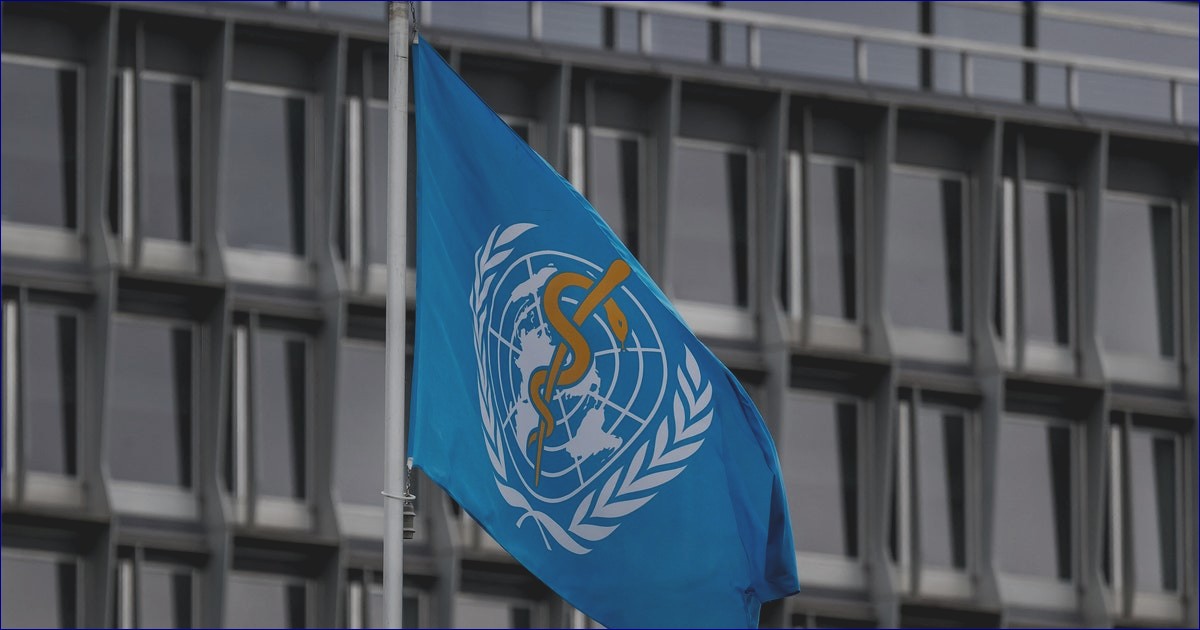
Witnesses report that the U.S. flag was taken down from outside the WHO headquarters in Geneva on the day of departure.
In recent weeks, the U.S. has taken steps to exit several other agencies within the United Nations, raising concerns that Trump’s newly established Board of Peace could further weaken the UN itself. Some critics of the WHO have suggested creating a new agency to replace it, yet a proposal reviewed by the Trump administration last year emphasized reforming the WHO instead of replacing it.
Quick Return Unlikely
Global health experts often recommend reconsidering the U.S. exit, with WHO Director General Tedros Adhanom Ghebreyesus being one of the latest voices advocating for this. The WHO has also pointed out that the U.S. has unpaid fees for the years 2024 and 2025. A discussion on how to manage the U.S. departure will take place at the WHO’s executive board meeting in February.
“This is a clear violation of U.S. law,” remarked Lawrence Gostin, an expert on global health law. He noted that Trump likely won’t face consequences for this action.
Bill Gates, head of the Gates Foundation, which significantly funds global health initiatives and partners with the WHO, expressed skepticism about a quick U.S. return to the organization. Nonetheless, he continues to advocate for U.S. re-engagement, stating, “The world needs the World Health Organization.”
Impact of the Departure
The U.S. withdrawal has triggered a financial crisis within the WHO, leading to significant budget cuts and workforce reductions. The U.S. has historically been the largest financial supporter of the organization, contributing about 18% of its total funding. As a result, the WHO plans to reduce its staff by approximately 25% by mid-year.
The agency has been collaborating with the U.S. and sharing crucial information over the past year, but the nature of this collaboration remains uncertain moving forward. Health experts are concerned that the U.S. exit could weaken global systems designed to detect and respond to health threats. Kelly Henning, a public health lead at Bloomberg Philanthropies, emphasized the risks, stating, “The U.S. withdrawal from WHO could undermine the international frameworks that protect global health.”
End of Report
