
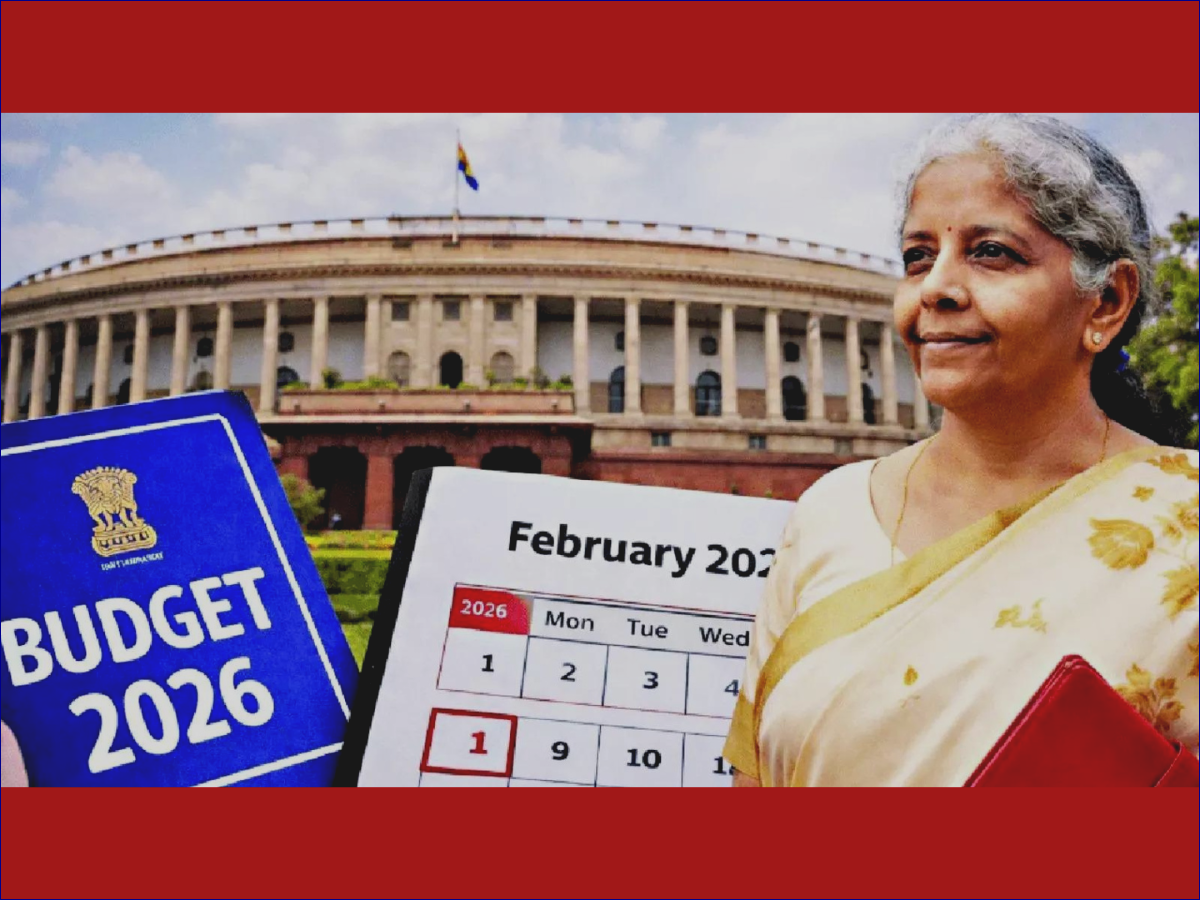
Expectations for India’s Budget 2026
As discussions around India’s Budget 2026 heat up, many are looking for measures that can help ease financial burdens on households while improving access to formal credit.
Adhil Shetty, the CEO of BankBazaar, pointed out that the upcoming budget is a crucial chance to improve our digital infrastructure, tax policies, and credit systems to better meet the changing needs of India’s economy.
One key area he highlighted is the importance of Digital Public Infrastructure (DPI). Shetty believes that a strong focus on initiatives like Digital India 2.0 could greatly enhance access to loans and insurance. He proposed a budget allocation of about ₹1 lakh crore to support projects like DigiLocker, a framework for account aggregation, and a 24/7 agentless video KYC service. Such advancements, he argues, could make obtaining credit and insurance quicker, safer, and more affordable.
With the Aadhaar-based KYC system already in place, investing further in these areas could help eliminate delays, reduce fraud, and lower costs for consumers.
On the taxation front, Shetty noted that while the government has raised the 30% tax threshold to ₹24 lakh under the New Tax Regime, rising inflation continues to push many salaried individuals into higher tax brackets. He recommended adjusting the top slab for inflation, which could help protect people’s real incomes and open up ₹2-3 lakh annually for savings and investments.
He also suggested introducing a straightforward tax deduction for long-term protection products such as life insurance, health insurance, and pensions. This could simplify the tax process without adding unnecessary complications.
For businesses, particularly startups and MSMEs, Shetty emphasized the need to apply ESOP tax parity to Udyam-registered enterprises, which could help retain talent and promote formalization in the workforce.
Housing is another significant concern. Shetty pointed out that the current cap of ₹45 lakh on affordable housing is outdated and doesn’t reflect urban realities anymore. Revising this cap could lower monthly EMIs and stimulate housing demand, benefiting the economy as a whole.
