
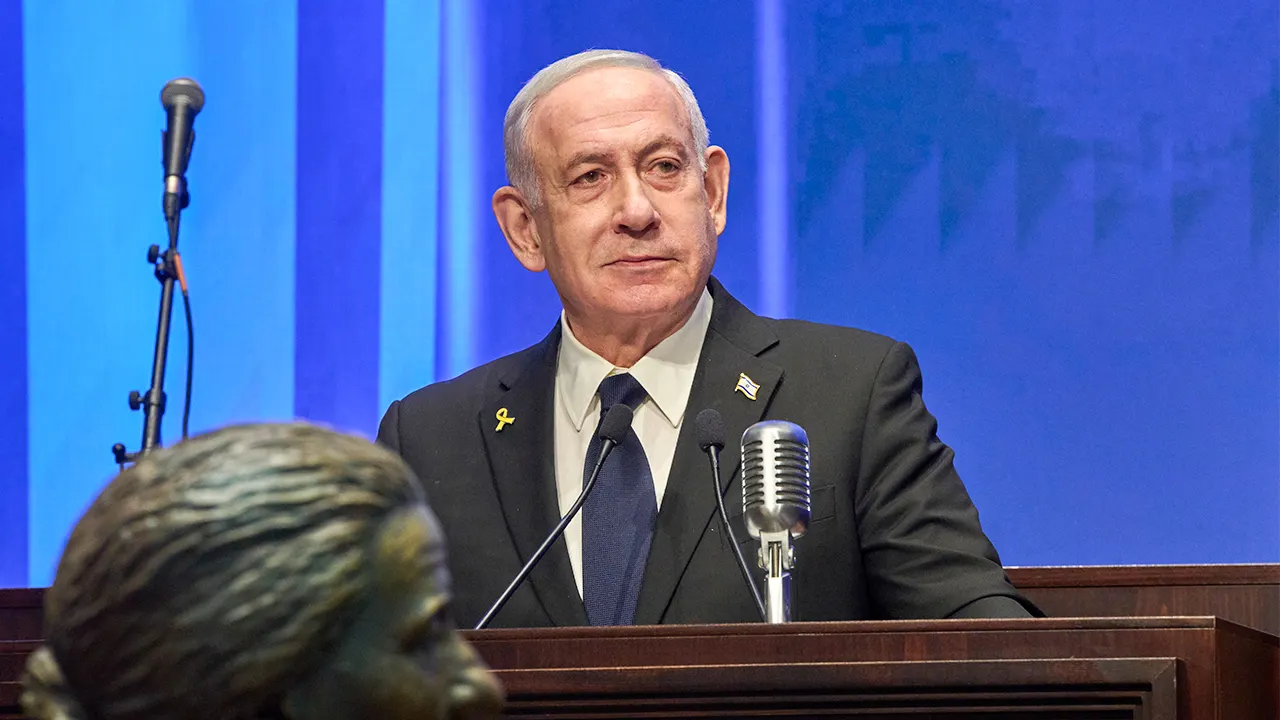
Netanyahu Expresses Trust in Trump’s Peace Efforts
Israeli Prime Minister Benjamin Netanyahu has expressed strong confidence in President Donald Trump’s dedication to the Gaza peace agreement. Caroline Glick, Netanyahu’s advisor on international affairs, mentioned to a news outlet that they trust Trump’s sincerity and support for Israel.
Glick emphasized that Trump’s plan could empower Israel to dismantle Hamas and prevent future threats from Gaza. She highlighted the importance of the second phase of the plan, which focuses on disarming Hamas and promoting peace among the Gazan population.
Quick Trip to the Middle East
In related news, Trump is set to make a brief visit to Israel and Egypt before returning to the White House to attend an event honoring Charlie Kirk. Both Trump and Netanyahu have indicated that peace can be achieved either through cooperation or through military action.
Glick noted the role of an International Stabilization Force (ISF) that will work alongside the Israeli Defense Forces (IDF) to maintain security in Gaza, all under Trump’s oversight.
A New Administration for Gaza
According to the agreement, Gaza will be governed temporarily by a non-political Palestinian committee. This group will be made up of qualified local and international experts, and it will operate under a new international body, the Board of Peace, chaired by Trump and former British Prime Minister Tony Blair.
The Board of Peace will be responsible for reconstruction efforts in Gaza until the local government can regain control, aligning with Trump’s earlier peace plans.
Ground Control in Gaza
Brigadier General (res.) Amir Avivi, head of the Israel Defense and Security Forum, stated that Israeli forces had maintained control over nearly 80% of the Gaza Strip before pulling back. This repositioning was crucial in convincing Hamas to agree to a ceasefire.
Avivi added that Israel could now control a significant portion of Gaza, including strategic areas that allow them to protect their borders effectively. He praised efforts to limit Hamas’ weapon smuggling from Egypt.
Emphasis on Humanitarian Aid
The peace plan guarantees immediate delivery of humanitarian aid to Gaza, ensuring that essential services like water and electricity are restored. The plan also addresses the urgent need for infrastructure repairs and clearance of debris.
Kuperwasser emphasized that the IDF’s updated position allows it to protect Israel while avoiding direct involvement in Gaza’s civilian administration until Hamas is removed from power.
Hostage Situation and Prisoner Exchange
According to the agreement, Hamas has until Monday to release all remaining 48 hostages in exchange for Israel freeing 250 Palestinian prisoners, including some convicted of serious crimes. Experts have raised concerns about the potential dangers posed by some of these prisoners, many of whom have not renounced violence.
Addressing Uncertainties in the Agreement
Retired Major General Yaakov Amidror, a former security advisor to Netanyahu, pointed out that several key issues remain unclear in the peace agreement. The vagueness regarding who will disarm Hamas and ensure compliance raises doubts about the deal’s effectiveness.
He urged for a renewed diplomatic push after the initial phase to clarify these responsibilities, emphasizing the necessity of disarming Hamas and ensuring stability in Gaza.
This article aims to provide a clearer understanding of the ongoing peace efforts surrounding Gaza and illuminate key points in the agreement affecting both Israel and Palestine.
