
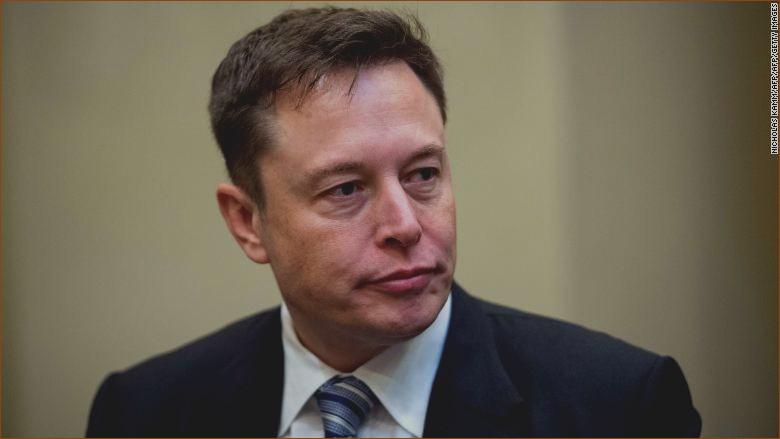
Elon Musk, the enigmatic billionaire behind Tesla, struck a deal with the Securities and Exchange Commission (SEC) on a rather tumultuous Saturday, agreeing to vacate his position as chairman and forfeiting a hefty $20 million. This settlement, pending judicial endorsement, allows him to retain the title of CEO, but he must relinquish the chairmanship within a modest span of 45 days. The repercussions? He will be barred from reelection for a full three years, as stipulated in court documents.
Perplexingly, Musk accepted these terms “without admitting or denying the allegations of the complaint,” a curious twist to the saga that has unfolded. Simultaneously, Tesla itself oxed into an agreement to cough up another $20 million, addressing claims that it failed to sufficiently monitor Musk’s errant tweets—a misstep that has propelled this entire furor.
The SEC’s press release highlighted that the combined $40 million in penalties would be allocated to investors affected by Musk’s provocative proclamations. In a bid to bolster governance, Tesla also promised to bring two independent directors onboard and set up a dedicated board committee to oversee Musk’s statements moving forward.
In an intriguing turn of events, Tesla opted for silence, as a spokesperson confirmed Musk would still maintain a seat on the board. This announcement followed closely on the heels of the SEC’s legal action, which accused Musk of misleading investors through a cascade of tweets sent out on August 7, where he claimed to have secured financing to privatize Tesla at a staggering $420 per share—a claim the SEC ardently refuted.
Musk decried the lawsuit as “unjustified,” proclaiming, “I have always acted in the best interests of truth, transparency, and investors.” Such assertions paint him as a self-styled guardian of integrity, a value he insists will shine through as the facts unveil themselves.
Adding layers to the narrative, CNBC reported that the SEC’s lawsuit materialized only after Musk rebuffed a prior settlement that would have necessitated a minor penalty and a two-year exit from the chairman role. Musk, it was rumored, deemed acceptance of such terms as a betrayal of his own principles.
A spokesperson for Musk was notably unavailable for immediate comment on this ongoing spectacle. Meanwhile, legal experts have stirred the pot further, noting the anomaly of allowing Musk to retain the CEO position while stepping down as chairman. Jay Dubow, a partner at Pepper Hamilton, articulated it plainly: “If the SEC truly perceived the conduct as egregious, one would expect a more severe reaction.”
Is it conceivable that the SEC speculated that ousting Musk entirely might plunge Tesla’s shares into disarray, harming investors further? Barclays analyst Brian Johnson intriguingly estimated that Tesla’s stock is buoyed by a “Musk premium” of about $130—a cushion that could evaporate with Musk’s departure.
Yet, the looming question of whether the Department of Justice (DOJ) may pursue criminal charges against Musk remains a captivating element in this tangled web. Tesla previously confirmed that the DOJ is probing Musk’s comments regarding the potential privatization—a matter that Dubow, with his insider perspective, suspects might not culminate in actionable charges.
“My hunch is the DOJ may indeed tread lightly here,” he mused. The recent settlement likely pacifies the SEC, potentially diminishing the DOJ’s resolve to act further.
The storyline continues to spiral, and as the dust begins to settle, all eyes will remain fixated on Musk, Tesla, and the intricate dance of legality and corporate governance that envelops them both.
