
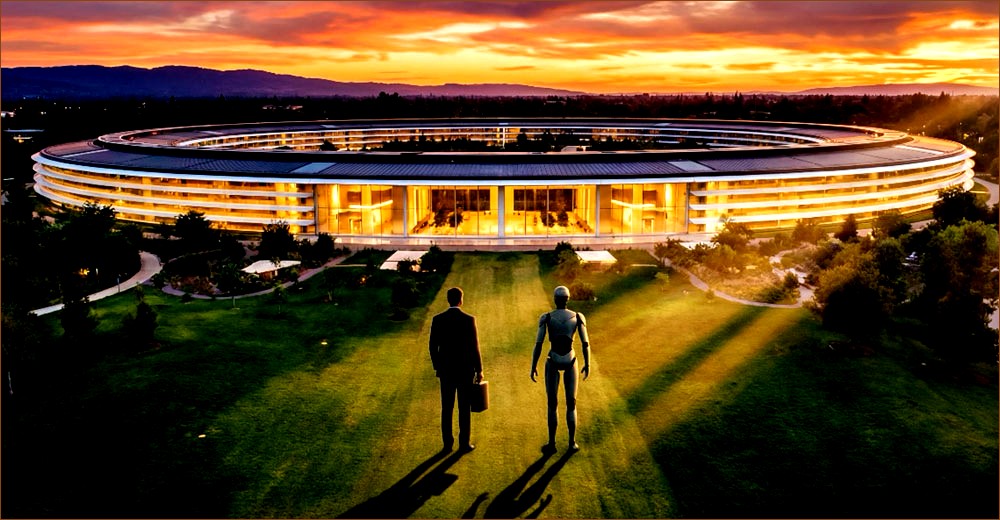
Apple Announces Leadership Change: John Ternus to Step Up as CEO
Apple made a significant announcement last week as John Ternus is set to become the new CEO, succeeding Tim Cook, who will now serve as executive chairman. This change marks a new chapter for the tech giant, blending innovation with a sense of continuity.
Ternus is well-known within Apple, having played a key role in hardware engineering, making sure that devices like the iPhone and Mac have set high standards for design. However, as he takes the lead, Ternus won’t be flying solo; he’ll be working alongside Cook, whose long tenure has shaped Apple’s success.
Cook’s shift to executive chairman is a strategic decision aimed at maintaining stability. However, in the fast-evolving tech landscape, stability can sometimes hinder the necessary changes for growth and innovation. With Cook still actively involved, there may be a chance for overlapping influences, which could challenge Ternus as he navigates his new role.
This week, I’ll delve deeper into this leadership transition at Apple and explore whether Cook’s new position will inspire creativity or limit it. Additionally, I’ll highlight my product of the week, a cutting-edge humanoid home robot, the 1X NEO.
Navigating Executive Chairman Challenges
In corporate governance, having an executive chairman often leads to complications. Typically, a clear distinction exists between the Board of Directors and the CEO. But with the former CEO stepping into the chairman’s role, this distinction blurs. This can lead to what’s known as “shadow CEO syndrome,” where the new CEO may find their authority undermined by the lingering presence of their predecessor.
As boards increasingly engage in strategic matters, a chairman with their own history at the company could stifle innovative ideas. There are plenty of examples where former CEOs have remained involved too closely, hindering successors from making necessary changes.
Given Apple’s reputation for a clear accountability model, this dual-leadership structure might slow down progress at a time when rapid adaptation is crucial.
AI and Robotics: The Path Forward
Apple’s strategy seems to lean towards preserving its past glory rather than forging ahead into the future. While competitors like Nvidia and Tesla are making bold strides in areas like AI and robotics, Apple appears more hesitant, as seen with the abandoned “Project Titan” car initiative.
Currently, Apple is primarily focusing on enhancing the iPhone with artificial intelligence features rather than rethinking how technology will function in a world beyond smartphones. While the tech landscape evolves, with wearables and ambient computing gaining traction, Apple risks getting left behind if it continues to prioritize smartphone-like devices.
Choosing Between Two Futures
Apple stands at a crossroads that could shape its direction for decades. Ternus has two main paths he could take:
Path A: Staying Traditional. Here, Apple continues to revolve around the iPhone and focuses on minor updates like faster chips and incremental AI features. This may lead to being a legacy brand, akin to IBM or BlackBerry, still profitable but losing relevance.
Path B: Embracing Change. This path would require Ternus to make bold decisions, similar to how Steve Jobs introduced the iPhone while the iPod remained popular. Ternus would need to pivot Apple into becoming a leader in personal robotics and intelligence, moving beyond traditional models and making robotics a central aspect of everyday life.
Moving Beyond Past Successes
To maintain its position, Apple must stop relying solely on the successes of the previous decade. While the established ecosystem and brand loyalty are valuable, these attributes won’t prevent a shift towards AI-dominant devices. If a startup or competitor manages to create an innovative product that outshines the smartphone, Apple could find itself outpaced.
Ternus must show he’s not just working under Cook but is ready to lead Apple into a new era of technology. It’s crucial for Apple to take the lead in this new phase, or it may find itself chasing others who are willing to take risks.
Conclusion
John Ternus’s appointment as CEO suggests stability, but Cook’s role as executive chairman could signal a more cautious approach for the future. Apple thrives when it pushes boundaries rather than clinging to existing success.
While the partnership of Ternus and Cook may feel safe for investors, it could also anchor Apple in the past at a time when bold steps into the future are essential. For Apple to reclaim its title as the world’s most valuable company, it will need to prioritize risk-taking over comfort with the familiar.
Product of the Week: The 1X NEO Home Robot
Shifting gears to innovation, the 1X NEO Home Robot stands out in the field of personal robotics. This device has the potential to be a game-changer for home assistance.
Unlike the incremental improvements seen in many tech products, the NEO represents a leap into the future, designed specifically for home use. It embodies a shift away from traditional gadgets, showcasing what personal robots can achieve in everyday life.
The NEO emphasizes safety and function, operating quietly and using a biologically inspired structure for gentle interaction. It doesn’t just perform tasks but strives to be a valued presence in the home.
For those observing the tech landscape in the coming years, the NEO sets a new standard for home automation. It highlights a broader trend: the future will belong to those who develop capable, user-friendly personal assistants, rather than merely refining existing devices.
