
Hand, Foot, and Mouth Disease Cases Rise in the U.S.
Hand, foot, and mouth disease (HFMD) is becoming more common in several locations across the United States, according to public health reports.
This viral illness mainly affects young children under the age of five, but anyone can catch it, as stated by the Centers for Disease Control and Prevention (CDC). In Virginia, the Fairfax County Health District recently reported six outbreaks this year, particularly among kids aged four and younger.
In the U.S. Virgin Islands, officials confirmed 189 cases of HFMD in St. Thomas, including a troubling case involving a toddler who may have died.
The Pan American Health Organization raised an alert in March, urging countries to improve their prevention and control measures against HFMD, especially focusing on children due to their susceptibility and potential serious issues affecting the central nervous system.
Understanding HFMD
Dr. Tina Q. Tan, a physician at Lurie Children’s Hospital in Chicago, shared that HFMD often appears in warmer months like summer and early fall. “We’re witnessing an increase in cases right now. It’s a common illness, usually mild,” she noted.
The illnesses are primarily caused by Coxsackie and Enteroviruses. The CDC explains that HFMD spreads through respiratory droplets from coughs or sneezes, and also via contact with contaminated objects. The virus can spread through fluids from the blisters, especially from children.
Signs and Symptoms
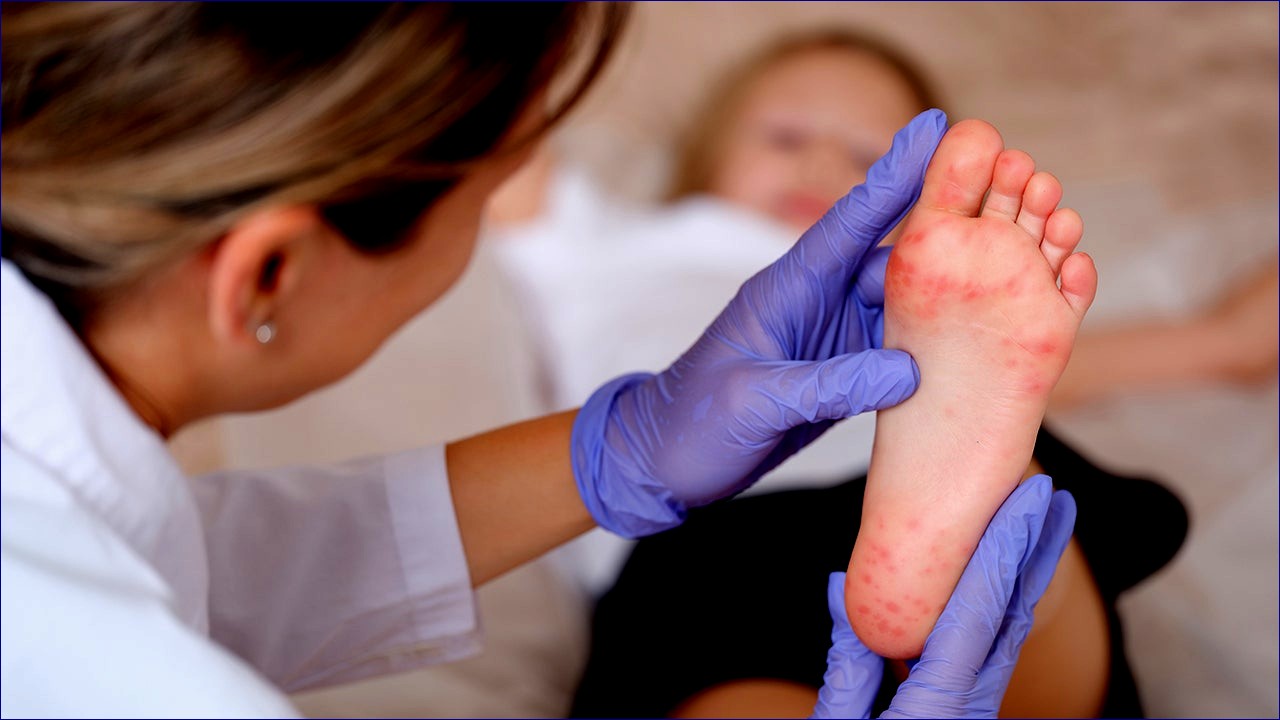
The most noticeable symptoms of HFMD are fever, a rash, and painful sores in the mouth. The rash typically shows up as red spots or blisters on the hands and feet.
Dr. Tan pointed out that HFMD can quickly spread in daycare and school settings. Infected individuals are most contagious during the first few days but can transmit the virus through stool for several weeks.
Parents can send their children to daycare or school if they have no fever, are drinking enough fluids, can engage in normal activities, and do not have open sores.
Treatment and Prevention Tips
Most people recover from HFMD in about 7 to 10 days without needing medical intervention. Over-the-counter medications can help relieve pain and fever. Staying well-hydrated is important to avoid dehydration.
While serious complications are rare, pregnant women who contract HFMD should consult a healthcare provider. Dr. Tan advises parents to seek medical attention if symptoms worsen, if fluid intake decreases, or if there are changes in a child’s mental status.
To reduce the risk of contracting HFMD, the CDC emphasizes the importance of frequent handwashing with soap and water and regular cleaning of shared surfaces like toys and doorknobs.
Currently, there is no vaccine available for HFMD in the United States.
