
Pahalgam Terror Attack: Key Updates and Reactions
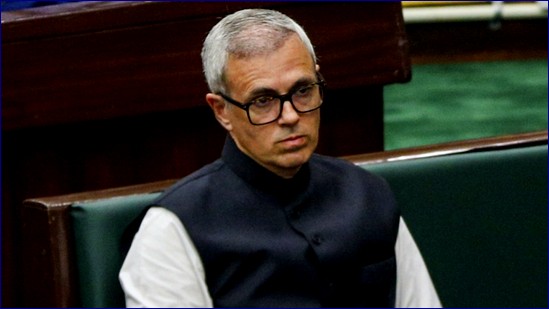
On April 22, a tragic terror attack in Pahalgam, Jammu and Kashmir, claimed the lives of 26 people. In response, Chief Minister Omar Abdullah participated in a special session of the Union Territory Assembly to honor the victims.
Rising Tensions in Jammu and Kashmir
Following the attack, Defence Minister Rajnath Singh met with Prime Minister Modi to discuss growing security concerns in Jammu and Kashmir. This meeting came as Pakistan’s military continued to fire upon Indian posts along the Line of Control (LoC) for the fourth consecutive day. The Indian Army responded swiftly, underlining the seriousness of these provocations and demonstrating India’s commitment to its defense.
In light of these tensions, the US State Department has urged both India and Pakistan to pursue a "responsible resolution" to the conflict.
Chinese Foreign Minister Wang Yi expressed support for Pakistan, calling on both nations to exercise restraint while closely monitoring the situation.
National Investigation Agency’s Role
The National Investigation Agency (NIA) has taken charge of the investigation into the attacks, which they believe were orchestrated by Pakistan via the militant group Lashkar-e-Taiba (LeT) and its affiliate, The Resistance Front (TRF). They are actively gathering evidence in the area to uncover the details behind the attack.
In response to the escalation of violence, India has implemented severe measures against Pakistan, including suspending the Indus Waters Treaty and blocking the only active land border crossing at Attari.
Reactions from Leaders and the Public
Farooq Abdullah, head of the Jammu and Kashmir National Conference, condemned the attacks as a "crime against humanity," emphasizing national unity regardless of religious affiliation.
Meanwhile, Maharashtra’s Home Minister announced that the government is closely tracking all Pakistani nationals in the state, while the Uttar Pradesh government has deported nearly all Pakistani nationals, except one.
As the nation mourns, citizens are uniting in demonstrations. Congress workers protested at the Pakistan High Commission in Delhi, expressing their outrage over the attack.
Union Minister Hardeep Singh Puri remarked that Pakistan will face severe consequences for its support of terrorism, stating that there would be no compromises moving forward.
Call for Unity
During this period of mourning, prominent leaders, including Chief Minister Abdullah, urged unity among the populace. He emphasized that fighting terrorism requires the support of the people, reinforcing calls for collective action against violence.
Students in Chandigarh held a candlelight vigil to honor the victims, underlining a nationwide call for solidarity against terrorism.
As the investigation continues and international attention remains focused on the events in Pahalgam, India demonstrates resilience and determination to confront the challenges ahead.
