
Two prominent figures in India’s IT industry have suggested that the recent suspension of the Permanent Labor Certification (PERM) program by US President Donald Trump might not have the severe impact many expect.
Vineet Nayar, the former CEO of HCL Tech, shared his thoughts in a straightforward post on social media. He emphasized that Indian tech companies should not panic about visa issues and instead focus on attracting more technology work from America to India. Nayar pointed out that while Trump aims to limit the number of Indian tech professionals moving to the US, it could unintentionally lead to more American jobs being transferred to India.
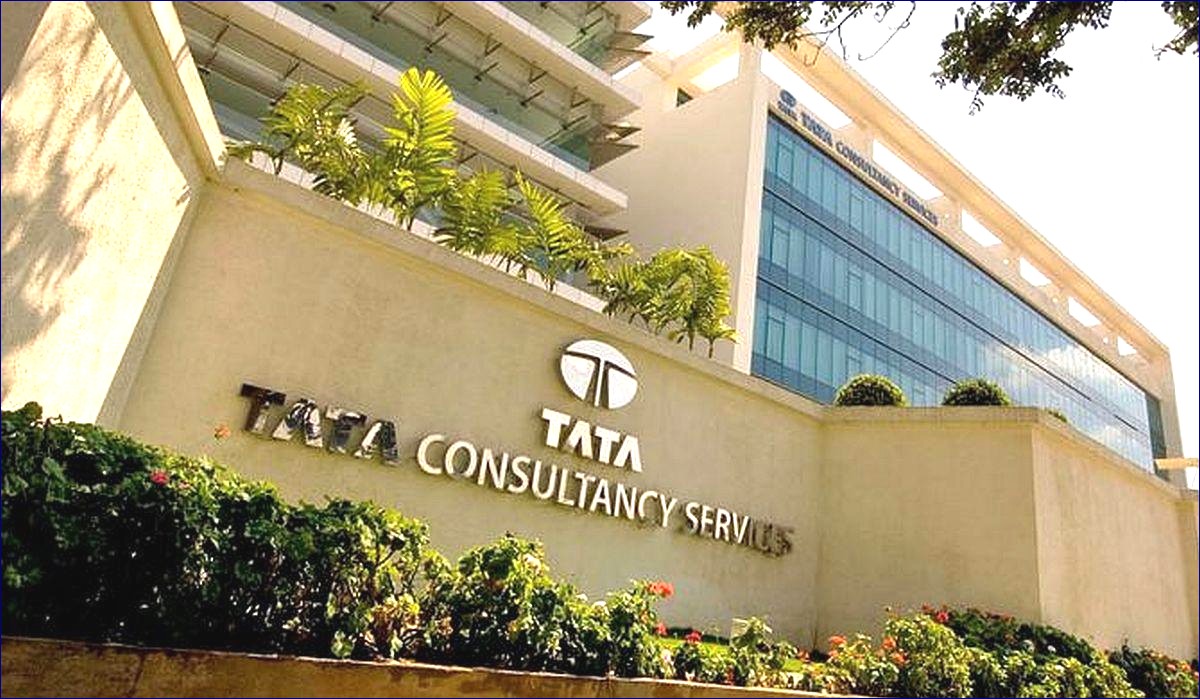
On the same day, Tata Consultancy Services (TCS), India’s biggest IT company, backed Nayar’s viewpoint with their own statement. In a public filing with the stock exchanges, TCS explained that it does not foresee the PERM suspension affecting its workforce plans or customer relationships. They noted that their applications for PERM had been very few in the past two years, and stressed their commitment to hiring local talent in the US, stating they plan to recruit 15,000 people over the next five years.
It’s also crucial to note the difference between the PERM process and other visa options used by Indian companies to send workers to the US. The PERM certification is a necessary step for employers who want to sponsor foreign workers for permanent positions, unlike the H-1B visa, which many IT firms use for temporary work. Thus, while the PERM program’s suspension affects the permanent labor certification process, it doesn’t nullify existing work visas for Indian workers.
Nayar provided some eye-opening statistics: Indian IT firms were responsible for fewer than 1,400 of the nearly 118,000 PERM certifications granted in the last year, making up less than two percent of the total. He argued that this indicates the immediate effects on the Indian IT sector could be less significant than some headlines suggest.
Nayar urged Indian IT companies to adapt their business models to prepare for the future. He highlighted the evolution of the industry, noting that much of the work that once required sending engineers to the US can now be done from India. He warned that advancements in artificial intelligence could lead to smaller teams handling complex tasks remotely, and called on companies to focus on areas like cybersecurity, AI implementation, and developing intellectual property.
“Indian teams should take a proactive role in deciding what gets built, rather than just following instructions from clients,” he advised. He concluded that for the next thirty years, the success of Indian IT would rely more on talent capabilities than on cost.
Ultimately, Nayar stressed that these broader challenges are far more significant than the number of US visas being issued.
