
Concerns Rise Over Pneumonic Plague After Death of Researcher in Siberia
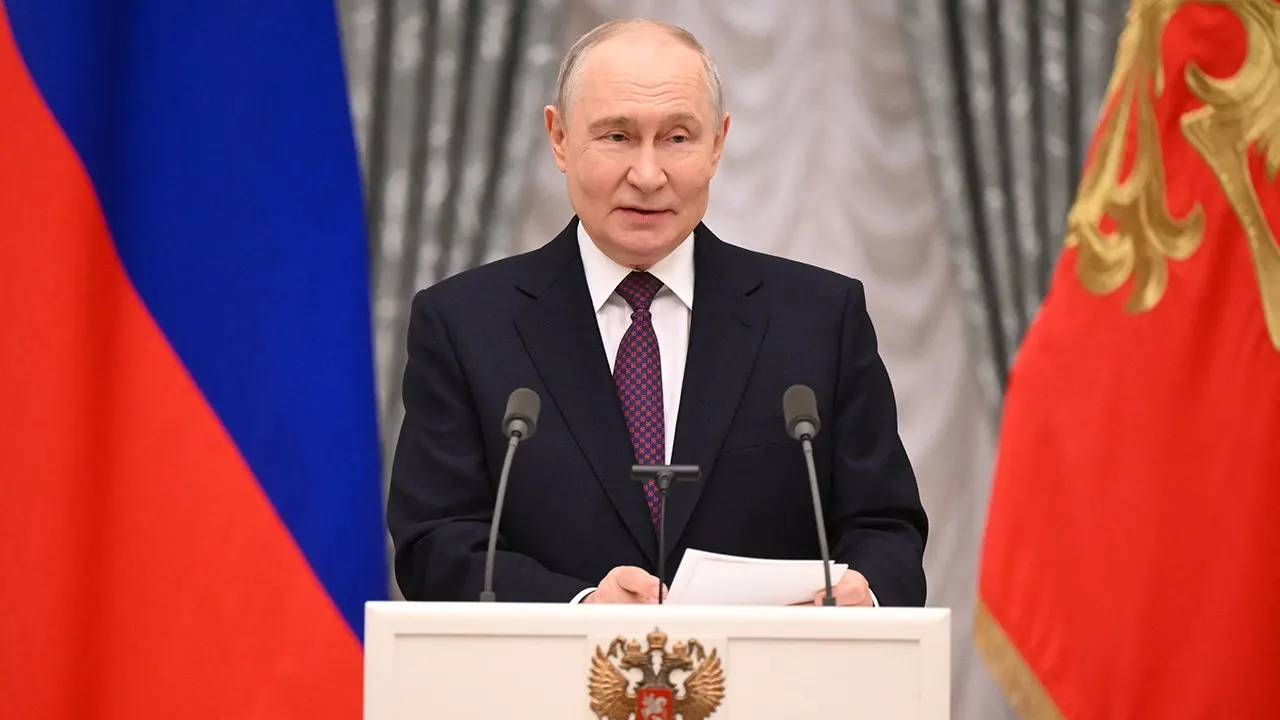
Recent fears regarding a potential pneumonic plague outbreak are rising after the death of a staff member at a Siberian research institute. This incident poses additional challenges for Russian President Vladimir Putin, who is already grappling with a struggling economy and the ongoing war in Ukraine that has reportedly cost many Russian lives.
Despite holding a strong grip on his leadership, experts suggest that incidents like this can contribute to a growing list of government failures. Retired CIA officer Dan Hoffman stated that while the recent lab death alone isn’t enough to topple Putin, it is symptomatic of deeper issues within the Russian government.
Hoffman noted, “The big question is how will this affect Putin’s power as more people start to realize that things aren’t right, including the dissatisfaction with the war in Ukraine.”
The employee, identified as 28-year-old Darya Shipilova, worked at the Irkutsk Anti-Plague Research Institute. Authorities report that she developed pneumonia of unknown origin. However, they didn’t find any evidence linking her illness to the pathogens associated with her job.
In light of the incident, U.S. Secretary of State Marco Rubio indicated that the U.S. is carefully monitoring the situation. Anna Popova, the head of Russia’s Federal Consumer Protection Service, visited the research facility to ensure public safety measures were enforced. “No infectious agents related to her work were detected in the samples taken from her,” the agency confirmed.
Even if Shipilova’s case is found to be isolated, concerns persist. Hoffman emphasized the Russian government’s history of concealing sensitive information, which raises doubts for outside observers.
He stated, “Putin is a dictator and controls the flow of information, which means the public may not receive the full truth, leaving us reliant on intelligence to understand the situation better.”
The Soviet Union notoriously suppressed news during the Afghan War and after the Chernobyl disaster, both significant events that highlighted the regime’s focus on controlling information.
Hoffman concluded by comparing Russia’s handling of information to that of their ally China, stating that both nations maintain strict control over the narrative. The public’s access to accurate information is often limited, particularly during crises like the current health scare.
