
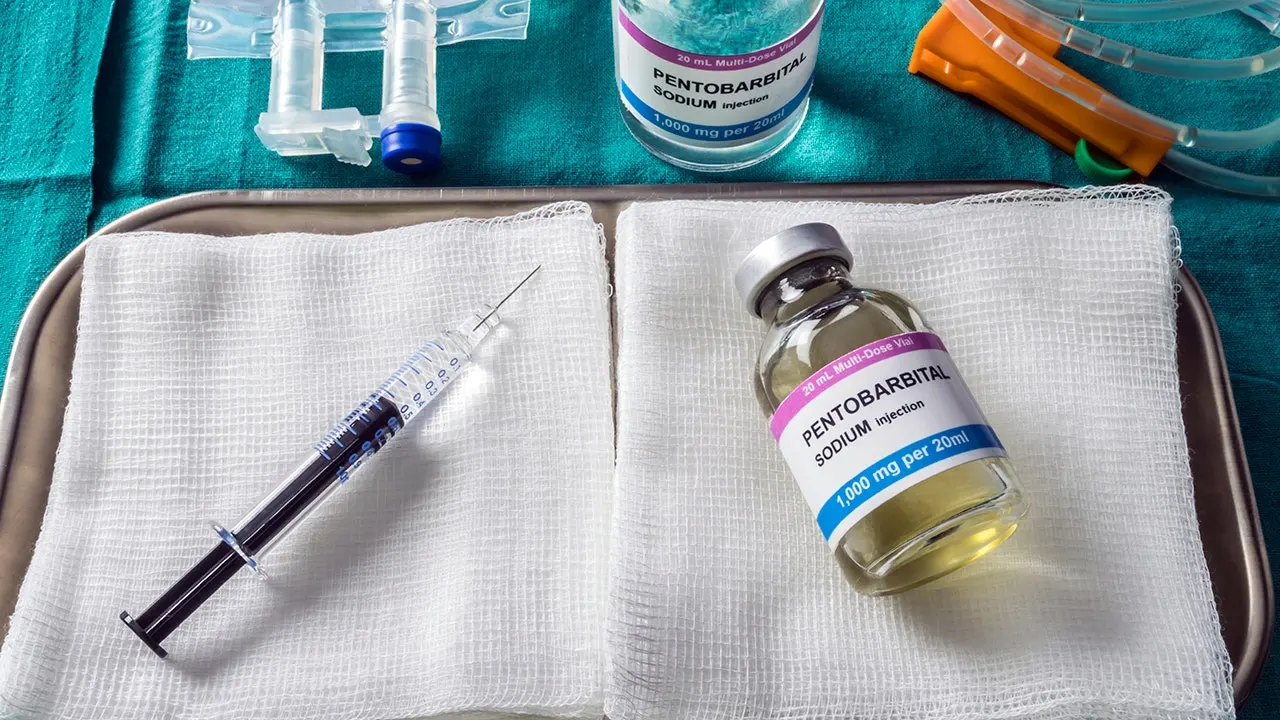
A recent execution attempt in Nashville has caused significant concern and raised questions about the medical protocols used in lethal injections. Christa Gail Pike, a death row inmate in Tennessee, survived two doses of the lethal drug pentobarbital during the procedure, as reported by the Associated Press.
Pentobarbital is a barbiturate traditionally used as a sedative, to manage seizures, and to assist with sleep. It works by depressing the central nervous system, slowing down brain activity. Although it was once common in medical settings, this drug has largely been replaced by newer medications in hospitals. Nevertheless, it remains a key component in veterinary euthanasia and lethal injection methods in several states across the U.S.
In the Tennessee execution protocol, a high dose of pentobarbital is administered intravenously, typically ranging from 2.5 to 5 grams, which is much higher than the amounts used for medical treatment. Once injected, the drug should induce immediate unconsciousness, suppress breathing, and eventually lead to cardiac arrest.
Pike, convicted of murdering her classmate Colleen Slemmer in 1995, was supposed to be the first woman executed in Tennessee in over 200 years. However, media witnesses reported distressing scenes during the execution. Pike was seen struggling to breathe and even snoring loudly for about 40 minutes after receiving the first dose of pentobarbital. This has led to criticism of the execution’s handling and prompted Tennessee Governor Bill Lee to suspend all future executions while an inquiry is conducted.
According to officials, the execution team followed established protocols and confirmed the drug’s supply beforehand. However, they faced difficulties in establishing intravenous access, which is crucial for the procedure’s success. After the execution was declared unsuccessful, Pike was taken to a hospital for further observation.
Experts point out that the failure of pentobarbital injections can sometimes be attributed to several factors. If the IV line comes loose, the drug can seep into surrounding tissues, which may prevent it from reaching the bloodstream effectively. Additionally, individual differences in how a person metabolizes substances can significantly impact the drug’s effectiveness.
While Tennessee officials look into what went wrong in this latest execution attempt, Pike remains in medical observation as legal debates continue over the possibility of another execution attempt.
