
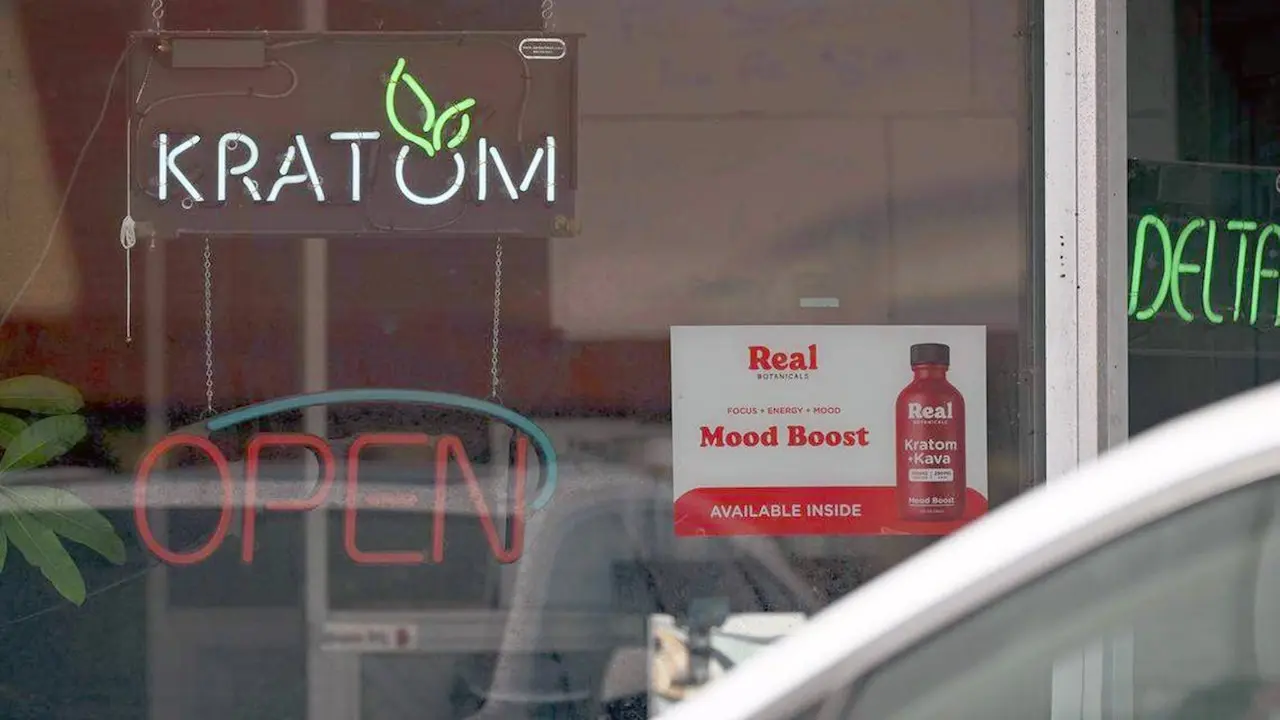
The recent deaths of two students from the University of Mississippi have sparked new concerns about the health risks associated with kratom, a plant-based substance that is often marketed as a natural remedy for pain relief and opioid withdrawal.
The two students passed away on Monday at different locations on campus. According to a statement from the Lafayette County Metro Narcotics, investigators found kratom that had been purchased from a local retail shop during their inquiries. However, authorities have not yet confirmed if the substance contributed to the students’ deaths.
Kratom is known to affect the body in different ways. At lower doses, it acts as a stimulant, but at higher doses, it can behave more like an opioid, which can lead to serious health issues, including respiratory problems. Dr. Marc Siegel, a senior medical analyst, explained that the substance can cause heart irregularities and even suppression of breathing at higher doses.
Jessica Steinman, a clinical expert in recovery, noted that kratom is increasingly available in stores, including gas stations, smoke shops, and health food outlets, often marketed as an energy booster. She expressed concern that more individuals, especially young people, are consuming kratom inappropriately and in large quantities.
Steinman remarked that kratom affects the brain’s opioid receptors, leading to sedative effects that can slow down breathing and overall lung function. Moreover, it can be highly addictive.
Experts have observed that traditional kratom products typically contain lower levels of active compounds, while newer formulations often have concentrated forms that can produce stronger effects. Steinman reported that many young people are learning about kratom through social media and peer recommendations, leading to an increase in usage among college students.
Many students may turn to kratom for its stimulating effects, which they hope will help them stay awake and focused for studying. Others might be attracted to its sedative, opioid-like effects to cope with stress or anxiety.
However, dangers arise when kratom is combined with other substances such as alcohol or marijuana, as this increases the risk of severe health complications. Signs of serious sedation, including slow or shallow breathing, demand immediate medical attention.
Experts warn that withdrawal from kratom can trigger serious health issues, including seizures, and immediate care is crucial for anyone experiencing such symptoms. Steinman cautioned against the misconception that natural substances are always safe, highlighting that many people can develop compulsions to various substances, including kratom.
In response to these concerns, Dallas Vasquez, CEO of a company that sells kratom products, emphasized the importance of distinguishing between botanical kratom and those with added synthetic compounds. He noted that the FDA has raised alarms about products containing enhanced levels of certain compounds, pushing for better national standards for kratom products. He highlighted the need for transparency in labeling so that consumers can make informed choices about what they buy.
The debate surrounding kratom continues as both health officials and industry leaders call for more regulation to ensure safety and minimize risks associated with its use.
