
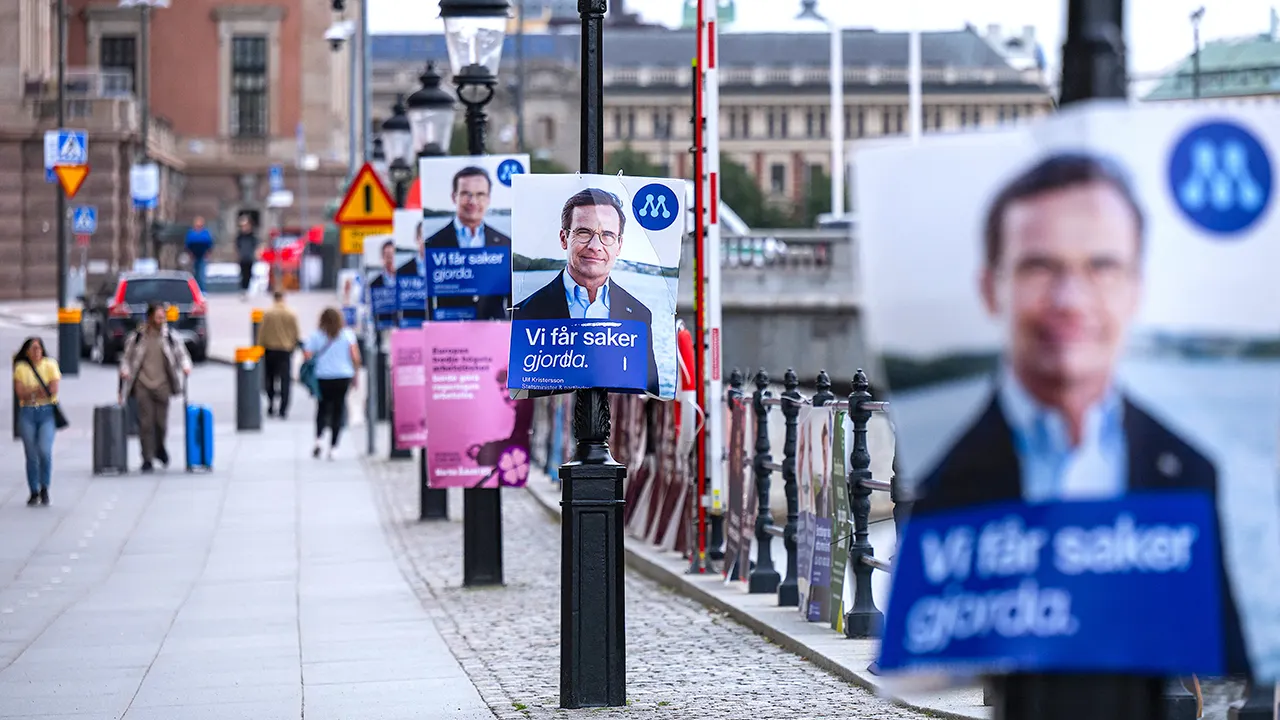
Sweden Faces Key Election Amid Rising Concerns About Immigration and Crime
Swedes are casting their votes today in an important election that sees Prime Minister Ulf Kristersson’s center-right party trailing slightly behind the opposition, led by former Prime Minister Magdalena Andersson and her center-left Social Democratic Party. The election is heavily influenced by rising worries about immigration, crime, and the economy.
Political analyst Daniel Schatz stated that renewed gang violence, Islamist extremism, and unemployment have sparked intense discussions about whether Sweden’s integration policies can keep up with its immigration levels. Many citizens, both native and foreign-born, express discontent with the current policies.
Meanwhile, recent elections in Germany have strengthened anti-immigration parties, positioning the Sweden Democrats, known for their similar stances, to potentially join the government if Kristersson’s party secures another win. Founded by activists from far-right groups, the Sweden Democrats have undergone a transformation under leader Jimmie Åkesson, distancing the party from its controversial past and gaining wider acceptance in Swedish politics.
As Swedish society grapples with the implications of extensive immigration, the country’s economic and welfare systems are also under strain. Rising crime rates have prompted the government to re-evaluate social benefits and security measures. Once viewed as a “humanitarian superpower,” Sweden is now facing serious challenges, leading to the perception that the country is a “humanitarian basket case,” as noted by Schatz.
The issue of immigration became a significant concern after Sweden accepted over 160,000 asylum seekers in 2015 from conflict-ridden regions like Syria, Iraq, and Afghanistan. The influx led to tightened border controls and a shift in how immigration is approached in Swedish politics.
Political scientist Nicholas Aylott remarked that the rise in immigration and its connection to crime rates have reshaped Swedish electoral priorities. Other parties have gradually adapted their policies to address these concerns, especially as the Sweden Democrats have gained political ground.
Despite some improvements, such as a decline in shooting incidents this year compared to the past, the Kristersson government may still face challenges in securing enough support to remain in power against Andersson’s coalition, which is gaining momentum.
As voting unfolds, the outcome of this election could determine the future direction of Sweden’s immigration policies and the broader social landscape.
