
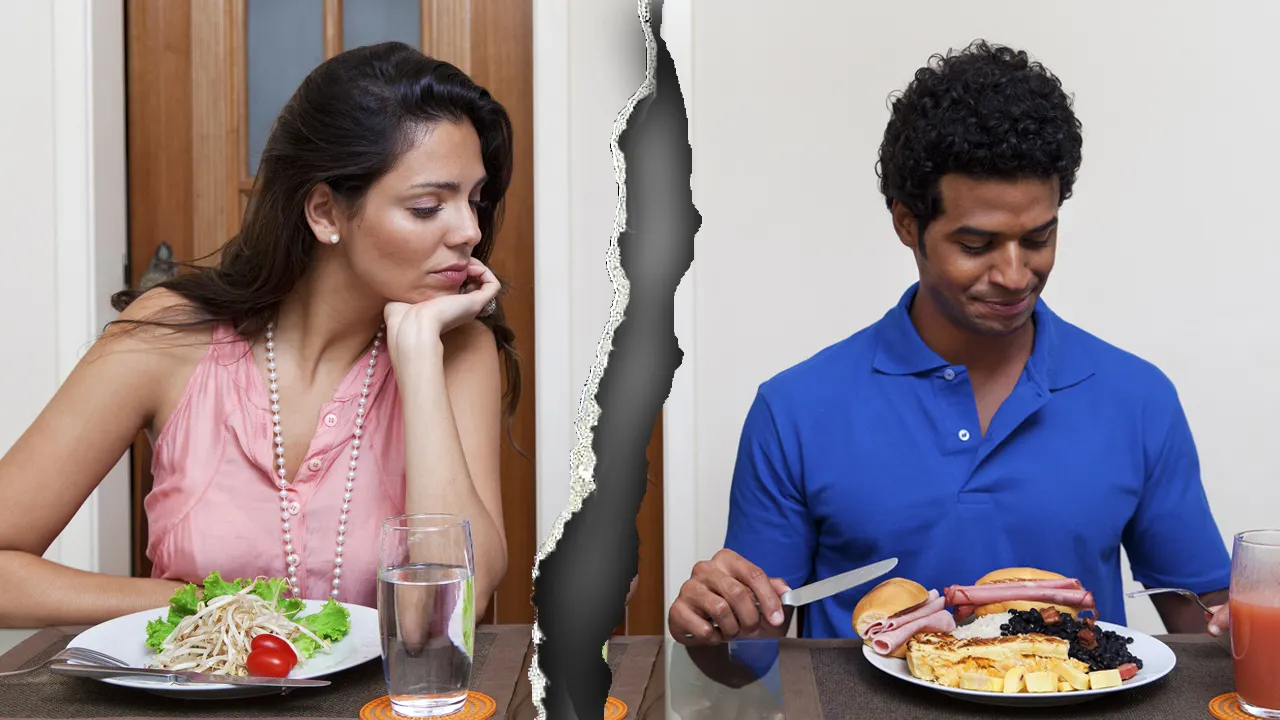
The Rise of “Food Divorce”: Couples Eating Apart
In today’s fast-paced world, many couples are discovering a new trend known as “food divorce.” This term, which has gained traction on social media, refers to partners choosing to cook, order, and enjoy their meals separately, often due to differences in diet, busy schedules, or personal preferences.
While eating separately might make managing daily meals easier, experts caution that it can have negative effects on relationships. Shared meals offer a chance to connect, communicate, and strengthen emotional bonds. According to health experts from reputable organizations like the Mayo Clinic, sharing meals can reduce stress and bring people closer together.
Eating apart can signal a larger emotional gap, and it may decrease the time couples spend together. Experts argue that the real concern isn’t just about the food, but about missing important moments to connect and share.
Tanya Freirich, a registered dietitian nutritionist from North Carolina, notes that mealtime is a valuable opportunity to unite and foster relationships. “If we frequently eat alone or at different times than our loved ones, it may lead to a sense of disconnection,” she explained.
Furthermore, consuming meals in isolation can create a “roommate dynamic,” where couples miss out on essential conversations about their day. Freirich highlights that sharing meals has long been a practice in communities worldwide, which makes the trend of Americans eating alone alarming for mental health and overall well-being.
There are also practical downsides to eating separately. Cooking individual meals or ordering from various places can drive up grocery bills and create more cleanup work in the kitchen. Research shows that individuals who dine alone are more likely to eat quickly and often choose less nutritious convenience foods than those who enjoy meals with others.
Experts recommend finding a balance for couples who have different dietary needs. Rather than preparing separate meals, Freirich suggests creating meals that individuals can customize. Options like “deconstructed tacos, grain bowls, or separate components for pasta” allow everyone to build their own plate with suitable portions and ingredients that meet their needs.
When daily shared meals aren’t feasible due to busy lives or caregiving responsibilities, prioritizing quality time can make a difference. Sharing a quick breakfast over the weekend or designating a special night for dinner together can keep the connection strong.
“Be intentional about connecting whenever you can,” Freirich advises. She encourages couples to make these meals special by putting away distractions and truly enjoying each other’s company.
The decline in communal eating could signify broader relationships struggles, and it’s essential to prioritize time spent together over the convenience of eating alone.
