
Escalation of the Iran War Raises Concerns Over Civilian Casualties
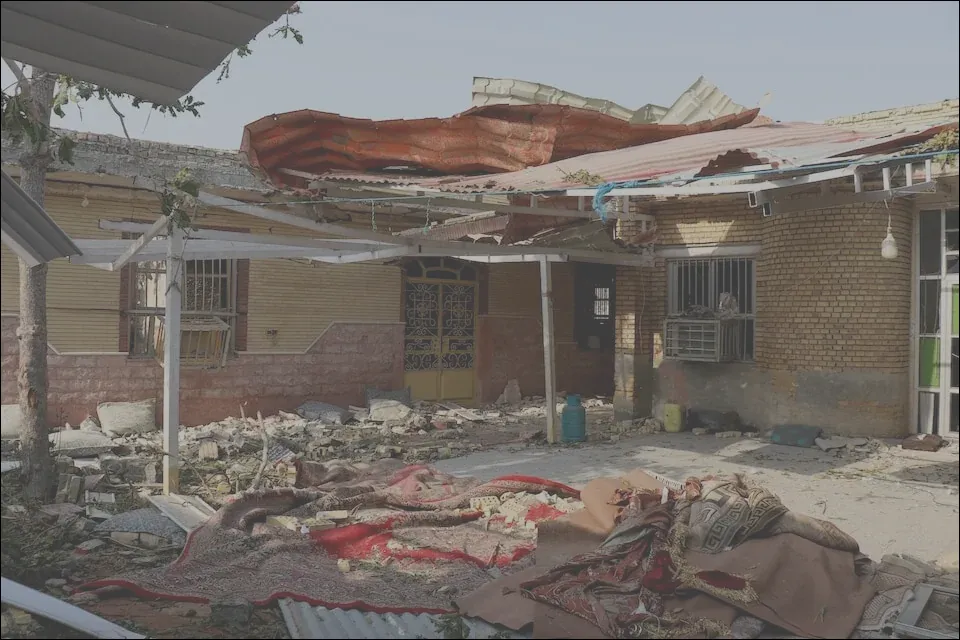
CAIRO/WASHINGTON: The recent escalation of conflict in Iran following U.S. airstrikes has once again highlighted the tragic impact on civilians. Iran has reported that 18 people lost their lives due to a series of U.S. attacks, including four fatalities and many injuries at a wedding celebration.
According to Iran’s health minister, the U.S. airstrikes on Tuesday night resulted in 18 deaths and left 108 individuals injured. The Iranian Red Crescent specifically reported that four people were killed and 67 were wounded during the wedding in a coastal area near the Strait of Hormuz.
The reintroduction of military operations has caused alarm across the region. In response, Iran has conducted missile and drone strikes aimed at U.S. targets in countries such as Bahrain, Jordan, Kuwait, and Iraq. The Kuwaiti military reported that multiple missile and drone attacks occurred early Thursday, though they were successfully intercepted by their air defense systems.
After a period of relative quiet since the last military exchanges in July, the ongoing conflict has sparked worries, even as diplomatic efforts have failed to progress. Former President Donald Trump has hinted at an increased military response, despite the war’s unpopularity at home and rising gasoline prices. Top aides to Trump are reportedly eager to avoid worsening the conflict ahead of the upcoming midterm elections in November, while the administration may consider escalating military action afterward.
Despite facing significant military and economic challenges, Iran remains unwavering. United Nations Secretary-General Antonio Guterres expressed deep concern over the reports of civilian casualties, particularly the wedding incident, urging an immediate halt to military actions. His spokesman, Stephane Dujarric, emphasized the need for all parties to abide by international humanitarian laws.
The recent casualties add to a grim toll, with the Human Rights Activists News Agency (HRANA) documenting 3,636 people killed in Iran by early April, including 1,701 civilians. Conversely, the U.S. has reported that 18 of its military members have been killed and over 750 have been injured in the conflict.
In response to claims stemming from Iranian state media, U.S. Navy Captain Tim Hawkins, representing the U.S. military’s Central Command, stated that the U.S. does not target civilians, unlike certain Iranian military actions.
Graphic videos released by the Iranian Red Crescent Society showed destruction following the airstrikes, with images of debris and damage to buildings and infrastructure verified through satellite images.
The destruction at the wedding event draws parallels to a tragic incident earlier in the war when 160 people tragically lost their lives in an explosion at a girls’ school in Minab. The Pentagon has yet to issue a formal report on that incident, which could mark one of the largest civilian casualty events for U.S. forces in decades, possibly due to outdated targeting information.
Democratic lawmakers in the U.S. Congress have called for the administration to share the findings of its investigation into the Minab incident, but such a report has not been forwarded to them.
Supporters of the U.S. military actions cite Iranian efforts to suppress street protests in late 2022 and early 2023 as a contributing factor to the conflict, claiming a death toll of more than 7,000 from those protests according to HRANA, while some Iranian exile groups estimate an even higher count.
Trump has argued that overthrowing the Iranian government, stopping its nuclear program, and curtailing its backing of militant groups like Hamas and Hezbollah were key motives for the conflict. In retaliation for U.S. strikes, Iran has threatened to target any oil tankers passing through the Strait of Hormuz without its permission, creating a significant impact on global oil traffic through a critical shipping route that previously accounted for 20% of the world’s oil supply.
