
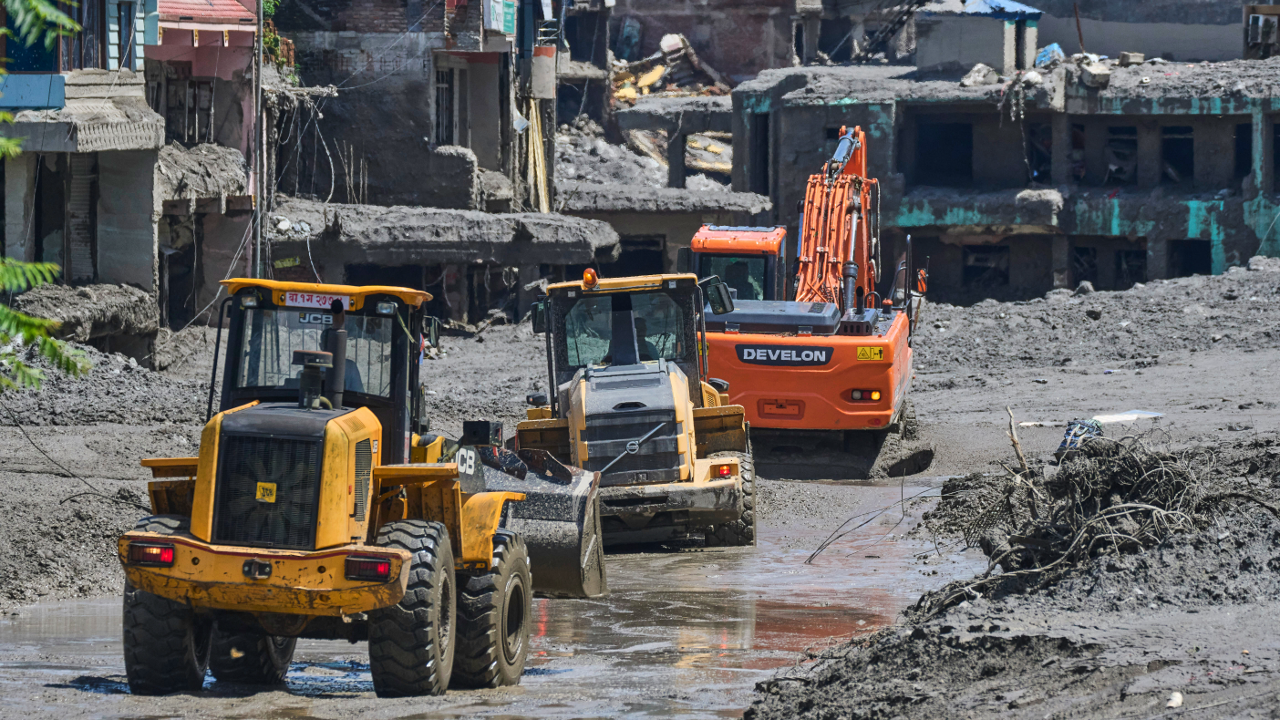
Massive Flooding in Nepal and Tibet Claims Hundreds of Lives
Recent catastrophic flooding in Nepal and Tibet has reportedly resulted in the tragic deaths of over 360 people. This disaster was likely caused by a significant glacier collapse, which triggered a debris flow that was registered as a 5.2 magnitude landslide by the U.S. Geological Survey (USGS). Initially, the mudslides were thought to be sparked by a 4.4 magnitude earthquake, but the USGS updated its findings after reviewing seismic data and satellite images, indicating that no earthquake had occurred.
Experts from the International Centre for Integrated Mountain Development, located in Kathmandu, suggested that the flash floods were likely connected to a glacial avalanche. They noted that the flood wave’s speed and magnitude were extraordinary, with water levels on the Trishuli River rising by as much as 27 feet within just 30 minutes.
Rescue operations are currently underway, as more than 1,400 people remain missing. Many of these individuals are foreign tourists and pilgrims. The Nepal Police have begun releasing lists of missing persons, including several dozen Americans. A spokesperson for the U.S. State Department stated that around 90 Americans might have been affected by the floods, and they are working with U.S. embassies in both Nepal and China to assist those in need.
The Nepalese army successfully rescued over 100 individuals trapped in the flood-affected areas using helicopters. However, the flooding has severely damaged infrastructure, destroying dozens of bridges and nearly 25 miles of roads, complicating rescue and relief efforts.
According to Bishal Kumar Bhandari, chairman of the Nepal Red Cross Society, large-scale relief operations are underway, with around 1,200 people displaced from various villages. Heartbreaking videos show floodwaters sweeping away cars and engulfing individuals trying to escape, while homes and bridges have been left in ruins.
In Soley village, located in the Nuwakot district, reports suggest that nearly all of the approximately 25 homes were destroyed. Local journalist Nirajan Paudyal, whose relatives live there, expressed deep concern, stating he has received no updates about their wellbeing.
The Dalai Lama, the spiritual leader of Tibetan Buddhism, offered his condolences to those impacted by the floods. He emphasized the need for preventive measures to mitigate future disasters, attributing this tragic event to underlying issues such as climate change.
The recent disaster highlights an increasing threat posed by unstable glaciers in the Himalayas, which endanger communities, roads, and water supplies in this densely populated region. Previously, similar floods occurred in August 2025, relating to high temperatures that caused a glacial lake to overflow, resulting in nine fatalities and significant infrastructure damage.
As rescue and recovery efforts continue, the region remains on high alert for potential further disasters linked to environmental changes.
