
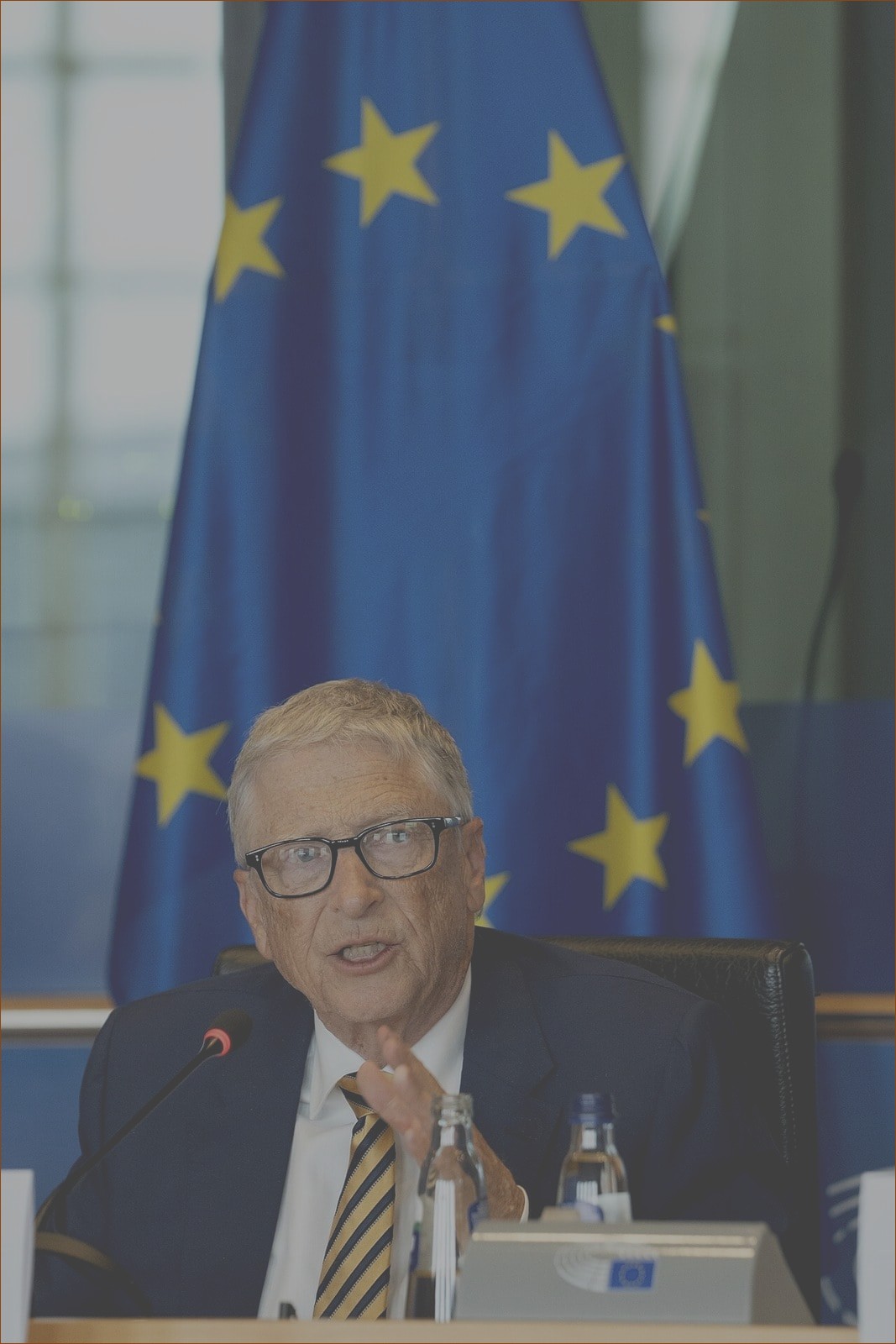
Bill Gates Warns About the Impact of Artificial Intelligence
Bill Gates, the co-founder of Microsoft, recently shared a detailed essay expressing serious concerns about the rapid advancements in artificial intelligence (AI). He believes the world is unprepared for the dramatic changes AI could bring to jobs, governance, and personal relationships in the near future.
Titled “The turbulent AI era is here. The choices we make now are critical,” this extensive piece of writing highlights what Gates sees as one of the most significant shifts in human history. While he acknowledges the potential benefits of AI in fields like healthcare, education, and agriculture, much of his message serves as a cautionary tale that society hasn’t adequately addressed the challenges posed by this technology.
Gates pointed out, “I don’t see evidence that leaders, experts, and communities are confronting the challenges adequately. There is no plan to ease the entry into the AI era.”
Job Displacement Concerns
One of Gates’s primary worries is the potential for job loss across various fields. Unlike past technological shifts, he notes that AI can directly replace human thinking, not just alter job roles. He mentioned that white-collar jobs in areas like customer support and software engineering are already feeling the effects. He predicts that entry-level and mid-level positions are particularly at risk, as many new jobs created by AI will require advanced skills that take years to develop.
But the threat isn’t limited to office jobs. Gates explained that “smart robots” could soon take over roles in hospitality and construction, leading to intense competition for work. He emphasized that the speed of this change is alarming, happening over just a decade rather than multiple generations.
Young people, in particular, may struggle in this new job landscape. Gates expressed concern that fewer entry-level jobs mean young workers will have limited opportunities to gain experience and learn from their peers.
Security Threats and Misuse of AI
Another area of concern for Gates is security. He warned that the rise of AI could worsen existing digital safety issues, making fraud and misinformation harder to combat. “Bad actors will have powerful new tools at their disposal,” he noted. He also highlighted the risk of governments misusing AI systems, which poses threats beyond just criminal activities.
Proposed Solutions
While Gates’s essay raises alarms, he is not suggesting that efforts to advance AI should halt. Instead, he argues for a comprehensive plan to harness AI’s benefits while mitigating its risks. One of his ideas is to create a “Human Reserved” category, ensuring certain jobs, particularly those needing empathy and human interaction, remain with people. Additionally, he proposed taxing AI applications and robots to finance retraining programs for workers affected by AI advancements. He called for better coordination among governments on jobs, education, healthcare, taxation, energy, and national security.
“Without the right policies, there will be far fewer jobs than exist today,” Gates wrote.
A Shift in Perspective
This essay marks a shift in Gates’s stance on AI; he was once a strong supporter of its potential. The piece could challenge the views of AI advocates in Silicon Valley and the current administration, which emphasizes AI development as key to staying competitive globally.
Gates stated, “AI could either be the greatest equalizer ever invented or the worst source of injustice.” He acknowledged the monumental challenges ahead.
Widespread Concern Beyond Technology
The timing of Gates’s essay is significant, as worries about AI are spreading beyond the tech community. Many see the changes brought by AI as a shift similar to that created by smartphones and social media, hoping humanity can find ways to leverage these technologies safely.
For workers in areas like Northeast Philadelphia, where industries like healthcare and retail are vital, Gates’s warnings resonate deeply. Many of the jobs he identified as vulnerable are essential for maintaining local economies.
Gates did not provide a timeline for when these effects might hit but stressed that they are on the way. His main point is clear: AI is rapidly developing, but the leaders who should guide its impact are not keeping pace.
