
DOJ Probes Mayor Mamdani Amid Rising Antisemitism Concerns
The Department of Justice (DOJ) is investigating New York Mayor Zohran Mamdani over claims of unfair treatment toward Jewish residents. Concerns about rising antisemitism in New York City have prompted this action, with the DOJ formally requesting information from the mayor’s office.
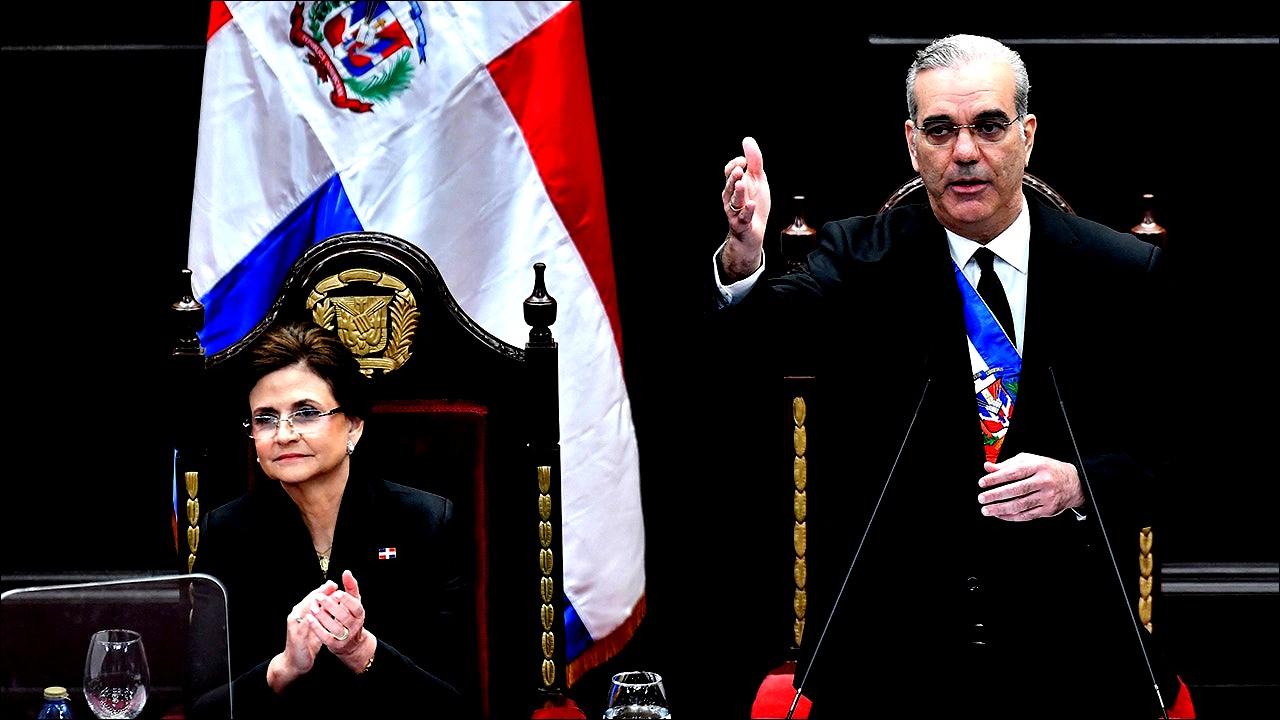
In a related development, the Dominican Republic’s President Luis Abinader has taken a significant step to combat antisemitism. The country will soon adopt the International Holocaust Remembrance Alliance’s (IHRA) definition of antisemitism, making it the 48th country worldwide to do so. President Abinader has instructed the foreign ministry to formalize this decision. This move reflects the growing awareness and urgency surrounding antisemitism, as highlighted by Rabbi Yehuda Kaploun, the U.S. special envoy for monitoring and combatting antisemitism. He called for other Latin American countries to follow suit.
During the annual Latin American Forum Against Antisemitism in Santo Domingo, Abinader emphasized that antisemitism endangers all democratic societies, not just Jewish communities. He stated, “Rejecting antisemitism means asserting that no political disagreements can justify hatred or discrimination.”
As the world sees a spike in antisemitic incidents, with reported cases increasing by 32.5% from the previous year, Kaploun praised the Dominican Republic’s decision as a crucial moment. He urged other nations to adopt similar measures, reinforcing a united stance against antisemitism.
Abinader linked the country’s decision to its historical commitment to providing refuge to Jews escaping Nazi persecution during World War II. He also announced funding of 50 million Dominican pesos to upgrade the Jewish Museum of Sosúa, which honors that history.
As of now, the Dominican Republic joins a growing list of Latin American nations that have embraced the IHRA definition, a trend that could inspire further actions against antisemitism in the region. Abinader concluded with a call for unity against hatred, aiming to transform memories of the past into educational initiatives for prevention.
This commitment reflects a broader message from the U.S. to Latin American leaders, highlighting the importance of freedom and religious tolerance in combating hate.
