Close Menu
  • Home
  • World News
  • India News
  • Business News
  • Health
  • Sports
  • Indian Diaspora In US
  • Technology
  • Bollywood
  • Education
Facebook X (Twitter) Instagram
Tuesday, August 25, 2026
Breaking News
  • Miss Universe India Kejiah Mejo: Standing Tall for Youth Voices in the Fight for Change
  • Brain’s Immune Cell Changes at 50 Linked to Increased Alzheimer’s Risk, Study Reveals
  • India Pushes for Clearer Food Label Warnings, but Big Food Strikes Back
  • East Bengal: Emami Group Steps Back as Investor but Remains Key Sponsor
  • Netanyahu Alleges Iranian Plot to Target One of His Sons in Israel
  • AiMOGA Launches Real-World Robot Operations for WRC 2026
  • Revolutionizing Construction: The Case for Intelligent Equipment Scheduling and Tech Integration
  • Bigg Boss 20: Rhiya Ahir, Viral Star from Mumbai Protests, Goes Head-to-Head with Love Gill for a Spot in the Show!
Facebook X (Twitter) Instagram
India Bulletin
Advertisement
  • Home
  • World News
  • India News
  • Business News
  • Health
  • Sports
  • Indian Diaspora In US
  • Technology
  • Bollywood
  • Education
India Bulletin
Home»Health»Brain’s Immune Cell Changes at 50 Linked to Increased Alzheimer’s Risk, Study Reveals
Health

Brain’s Immune Cell Changes at 50 Linked to Increased Alzheimer’s Risk, Study Reveals

August 25, 20263 Mins Read
Facebook Twitter Email
Share
Facebook Twitter Email


Research Sheds Light on Brain Changes in Midlife

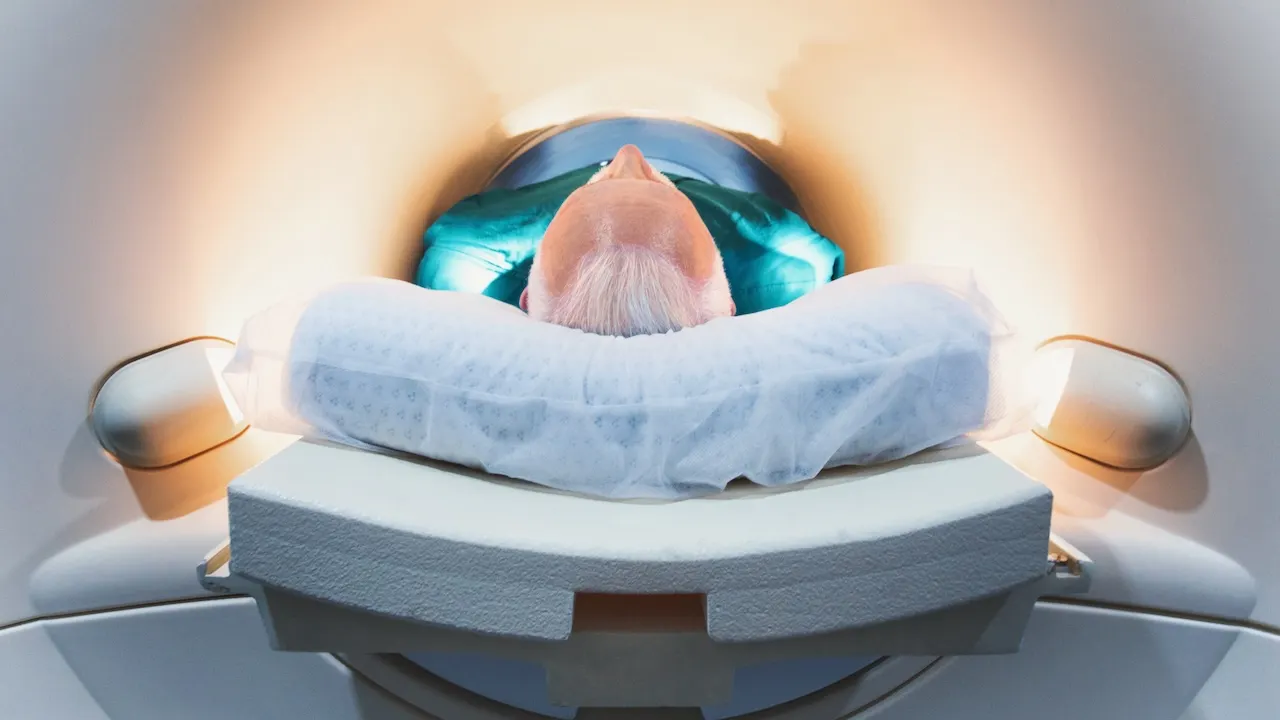
Recent research has revealed that our brains may experience significant changes as we reach middle age, particularly around the age of 50. This study indicates that the protective immune cells in the brain start to decrease, leading to an increase in inflammatory cells.

A team of researchers from the University of California, San Diego, the New York Genome Center, and the University of California, Irvine, conducted this study to explore how these brain changes might help explain why the risk of neuroinflammation and neurodegenerative diseases, like dementia, rises as we age.

The researchers analyzed brain tissue from the hippocampus—a key area for learning and memory—from 40 adults aged between 20 and 95. Dr. Nathan Zemke, a principal investigator at UC San Diego, pointed out that after the age of 50, the brain’s own immune cells, known as microglia, are increasingly replaced by immune cells that travel from the bloodstream. These circulating cells are more prone to trigger inflammation, which can be detrimental to brain health.

This shift in immune cells could play a significant role in chronic inflammation, which is linked to cognitive decline and diseases such as Alzheimer’s. The researchers also observed damage to cells that support the blood-brain barrier, a crucial filter that protects the brain from harmful substances.

One exciting aspect of this research is that because these replacement cells come from the blood, they are easier to access than the microglia located deep within the brain. Dr. Zemke mentioned that it may one day be possible to modify these blood-derived immune cells to make them less inflammatory and more protective, opening up new avenues for treating Alzheimer’s and other neurological conditions.

Though the findings are still preliminary, understanding why some people experience this immune-cell change earlier than others could lead to better strategies for maintaining brain health as we grow older. However, it’s important to note that the study has its limitations, as it involved a small number of individuals and focused only on the hippocampus, meaning the results may not fully represent changes occurring throughout the entire brain.

Dr. Zemke emphasized that we should not rush into making medical or lifestyle changes based solely on this study. Instead, the findings are meant to deepen our understanding of how the brain ages and to identify potential new paths for prevention and treatment.

As research continues, understanding the factors that drive individual variations in brain aging will be key to developing strategies that promote brain health for everyone. The study was funded by the National Institutes of Health and published in the journal Science.

alzheimers brain health geriatric health Health lifestyle longevity medical research
Share. Facebook Twitter Email
admin
  • Website

Related Posts

AMBER Alert Lifted: Missing Wenatchee Infant with Medical Needs Found Safe

August 25, 2026

Everyday Energy Supplements May Aid Pancreatic Cancer Cells in Chemo Survival

August 24, 2026

California Considers Fines for Healthcare Providers Ignoring Cost Control

August 24, 2026
  • Facebook
  • Twitter
  • Instagram
Don't Miss

Miss Universe India Kejiah Mejo: Standing Tall for Youth Voices in the Fight for Change

Brain’s Immune Cell Changes at 50 Linked to Increased Alzheimer’s Risk, Study Reveals

India Pushes for Clearer Food Label Warnings, but Big Food Strikes Back

East Bengal: Emami Group Steps Back as Investor but Remains Key Sponsor

Started in 2004, India Bulletin is the largest and
most read South Asian publication
in Chicago and surrounding Midwest.

  • Home
  • About Us
  • Contact
  • Advertise With Us
  • Privacy Policy
  • Terms of Use
  • Disclaimer
  • CCPA
News
  • Bollywood
  • Business News
  • Health
  • India News
  • Indian Diaspora In US
  • Sports
  • Technology
  • World News
Facebook X (Twitter) Instagram

Type above and press Enter to search. Press Esc to cancel.

Accessibility Adjustments

Powered by OneTap

How long do you want to hide the toolbar?
Hide Toolbar Duration
Select your accessibility profile
Vision Impaired Mode
Enhances website's visuals
Seizure Safe Profile
Clear flashes & reduces color
ADHD Friendly Mode
Focused browsing, distraction-free
Blindness Mode
Reduces distractions, improves focus
Epilepsy Safe Mode
Dims colors and stops blinking
Content Modules
Font Size

Default

Line Height

Default

Color Modules
Orientation Modules