
U.S. Unveils New Sanctions Targeting Iran’s Economy
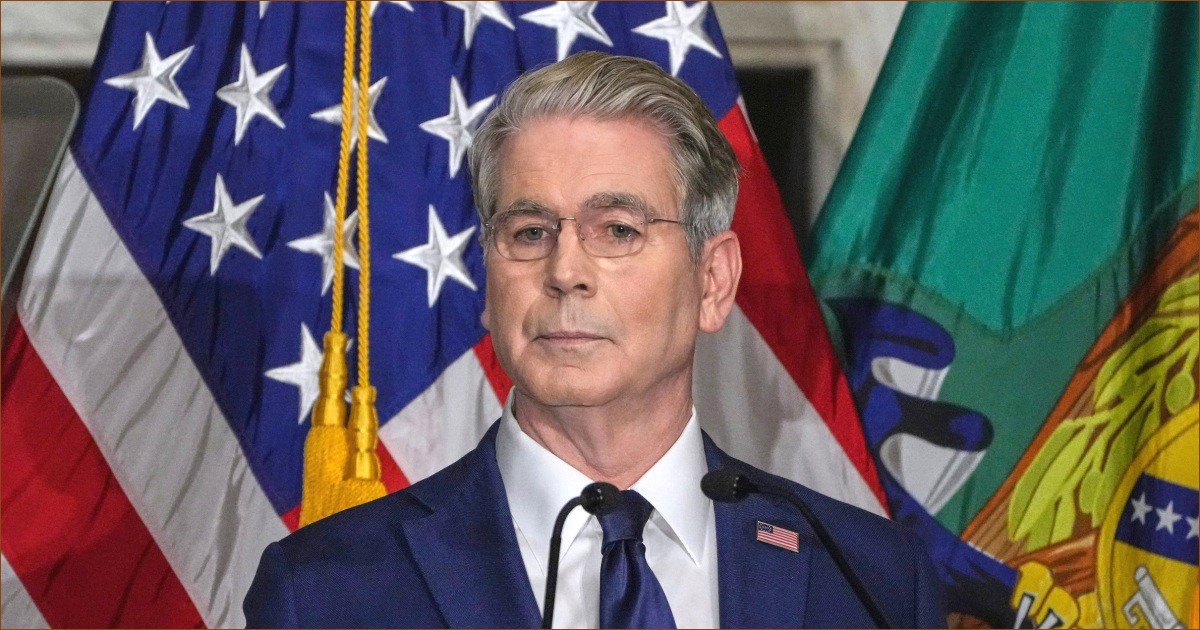
On Monday, Treasury Secretary Scott Bessent announced a comprehensive set of new sanctions aimed at further isolating Iran’s economy, warning that the Islamic Republic faces an “economic D-Day.” The sanctions are designed to hit international businesses involved in Iran’s shipping, oil, cryptocurrency, gold, and aviation sectors.
Bessent disclosed that President Donald Trump has been reaching out to global leaders, urging them to halt trade with Iran. The objective, according to Bessent, is to launch a significant economic offensive to cut off Iran’s financial networks worldwide until the regime is completely isolated.
The Treasury Department revealed that nearly 60 entities and individuals will face sanctions, including several from China, whom U.S. officials accuse of enabling Iran’s controversial activities. In response, the Chinese government maintains that its citizens should not comply with American unilateral sanctions.
In a bid to strengthen the sanctions, Bessent mentioned that the U.S. is engaging in “quiet diplomacy” with nations trading with Iran, warning them of repercussions if they continue these ties. He emphasized, “No one is above the reach of U.S. sanctions,” while providing a temporary period for countries to sever their economic connections with Iran.
Despite these announcements, Bessent did not outline any immediate actions against other nations, and financial markets appeared relatively unaffected by the latest revelations. Meanwhile, Iranian officials reacted with skepticism, asserting that the U.S. threats hold little weight. Economy Minister Ali Madanizadeh claimed, “You will fail this time too,” emphasizing Iran’s readiness for an economic struggle.
Madanzadeh insisted that cutting Iran off from global trade is not straightforward and warned of potential retaliation. Iranian President Masoud Pezeshkian also urged the U.S. to change its aggressive approach, stating that bullying tactics would only complicate matters. He expressed confidence that the Iranian people would withstand any pressure from outside forces.
With military tensions ongoing, experts suggest that the effectiveness of Bessent’s sanctions will largely depend on the reactions of Iran’s key trading partners, notably China, India, and Russia. Many believe these countries will not easily abandon their relationships with Iran, seeing the nation as an ally.
It has been several months since the U.S. and its allies began military operations against Iran, aiming to thwart its nuclear ambitions. However, the U.S. administration is finding it increasingly complex to convince its allies to cut economic ties with Iran. Economic costs from the ongoing conflict have reached billions, affecting American households significantly.
While Bessent reinforced the possibility of further military action if necessary, he maintained that economic pressure is currently the preferred strategy. However, the situation remains delicate, with rising gas prices and potential unrest simmering in Iran, prompting authorities to be vigilant about any signs of public discontent.
Despite these tensions, Iran continues to assert its readiness to navigate the challenges posed by the sanctions. Observers note that the economic landscape is fraught with uncertainty, and the situation could evolve further in response to both domestic and international pressures.
