
Global Oil Concerns: A Deeper Look Beneath the Surface
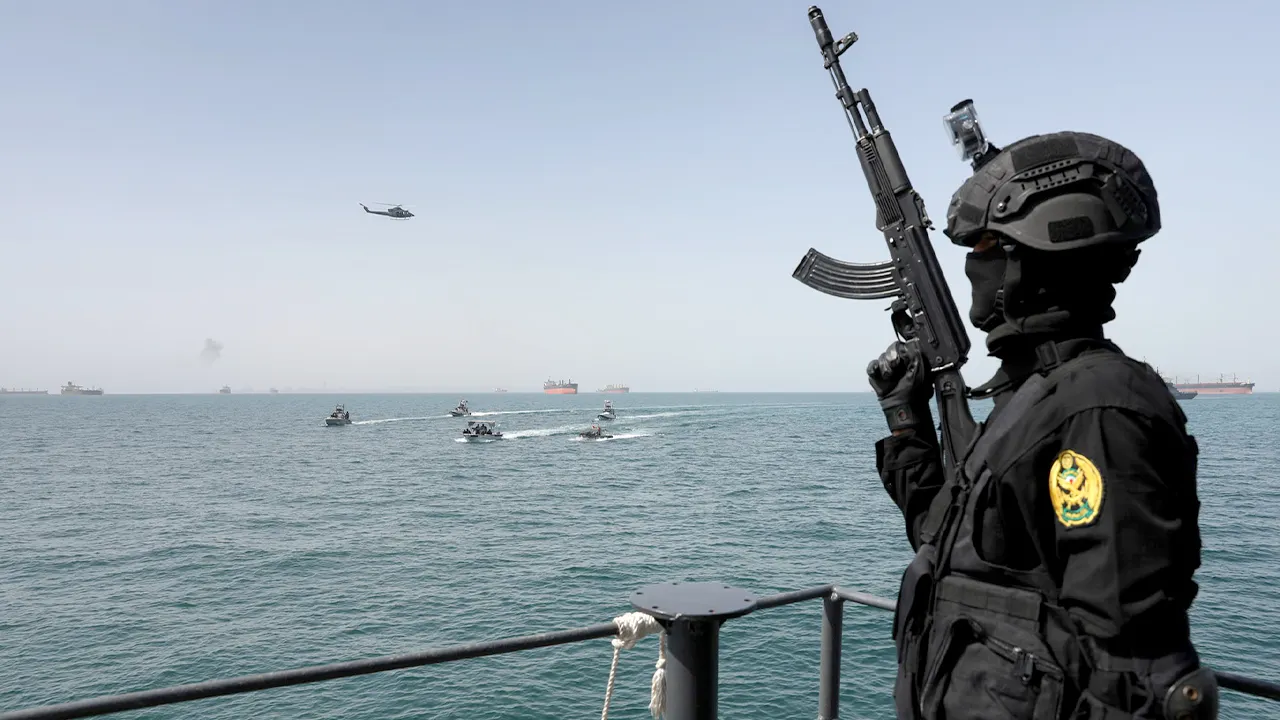
As the world focuses on tankers passing through the Strait of Hormuz, a petroleum expert warns that the true energy crisis might be happening far beneath the earth. Art Berman, a seasoned petroleum geologist with over 40 years in the oil industry, cautions that millions of barrels of oil production from the Persian Gulf remain offline, and reopening these wells is not as straightforward as it seems.
Berman explains, “Even if the political tensions are resolved, the real challenge lies in the oil production itself.” He estimates that around 8 million barrels of oil production from the Persian Gulf is currently inactive, contributing to a global shortfall of about 10 million barrels a day.
Iran’s Influence and Global Oil Flow
Recent reports indicate that Iran is looking toward Russia as talks with the U.S. stall, leading to worries about the smooth flow of global oil through the Strait of Hormuz. A White House official pointed out that oil prices have dropped sharply since the signing of a recent memorandum, suggesting that the strait is open and U.S. naval forces are in position to ensure safe passage.
Berman’s estimates align with findings from the International Energy Agency (IEA), which recently confirmed that Gulf oil production has increased but remains significantly below pre-conflict levels.
An Uphill Battle for Oil Production
The focus on the ability to transport oil through the Strait of Hormuz has overshadowed a critical issue: the ability to produce that oil in the first place. Berman stresses that restarting idle oil wells is not as easy as flipping a switch. It involves reconnecting complex systems deep underground and may lead to unforeseen challenges.
He anticipates that about 80% of shut-in wells could return to their previous output levels, but warns that the recovery process could take weeks or even months.
Parallel with Historical Disruptions
Berman likens the impact of the current tensions to significant past events, such as the COVID-19 pandemic, emphasizing the lasting effects on global energy markets. He argues that the situation goes beyond a temporary crisis, suggesting it could lead to a ripple effect across the global economy.
The U.S. is currently the largest oil producer worldwide, and Berman notes that this does not shield American consumers from the broader market disruptions. U.S. refineries use a variety of crude grades, meaning domestic production cannot fully meet the specific needs of the market.
Looking Ahead
As the situation unfolds, the energy industry is watching closely. The complexities of restarting production and overcoming logistical challenges could influence how long the effects of this conflict linger. There are optimistic forecasts about recovery, but uncertainties remain.
The White House maintains confidence in the strength of U.S. energy independence and ongoing high production levels, asserting that partnerships with allies are key to ensuring a stable energy future.
In conclusion, while immediate concerns may center around transportation routes and political resolutions, experts like Berman stress that the larger issues of production and market dynamics will shape the energy landscape for years to come.
