
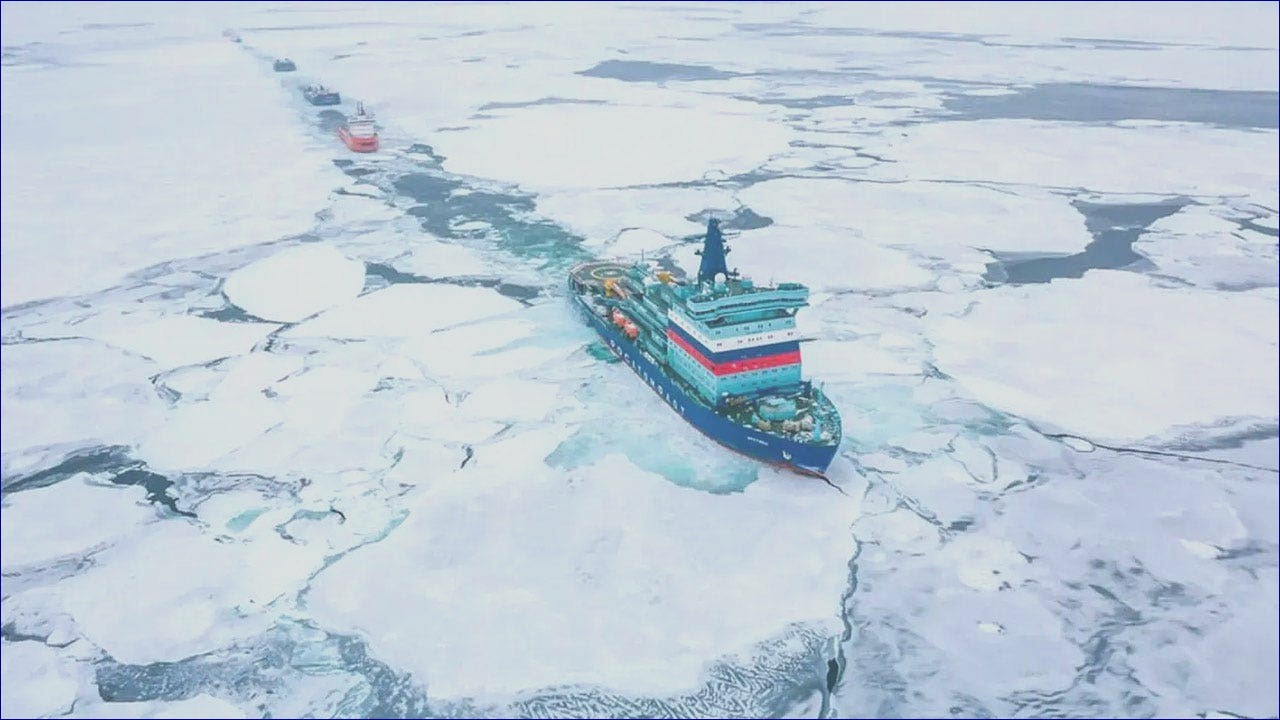
China is taking steps to establish a new route for trade as it begins regular shipping to Europe through the Arctic, specifically via Russia’s Northern Sea Route. This initiative is part of a broader collaboration with Russia, which has raised concerns in the U.S. regarding regional security.
Currently, this shipping service is limited, with just over eight voyages planned this season. However, experts like Gordon Chang believe the implications of this project are significant, emphasizing that China is focused on increasing its influence in the Arctic as melting ice creates new possibilities for navigation.
The Sea Legend Shipping’s vessel set sail from the Ningbo-Zhoushan Port on August 15, aiming for Felixstowe, England, with a journey time of around 20 days. The timing comes as reports indicate that Russia’s ongoing isolation, especially due to its actions in Ukraine, is pushing it closer to China, granting Beijing more influence in a region traditionally critical to Russian interests.
Chang warns that the U.S. should strengthen its presence in the Arctic, pointing out that under former President Trump, there were plans to increase the number of icebreakers to support this need.
A recent report by the U.S.-China Economic and Security Review Commission highlights how the geopolitical situation has made Russia more reliant on China, which has led to greater access for Chinese enterprises in the Arctic. For instance, Chinese state firms now hold a significant stake in the Arctic LNG 2 project, showing the depth of their engagement.
In terms of energy, China buys about half of Russia’s crude oil exports, while Russian oil makes up a smaller portion of China’s overall imports. Following Russia’s invasion of Ukraine, China has heavily invested in Russian energy resources.
As both China and Russia increase their military cooperation, participating in numerous joint exercises, the U.S. perceives this alliance as a shift in the security landscape of the Arctic, which requires a strategic response from Washington. Experts suggest that even if some in the U.S. view the Arctic as less important, the actions of China and Russia make it necessary for the U.S. to focus its attention on this region.
The combination of changing climate conditions enhancing accessibility to Arctic routes and the deepening ties between China and Russia raises critical questions about future global trade routes and regional security.
