
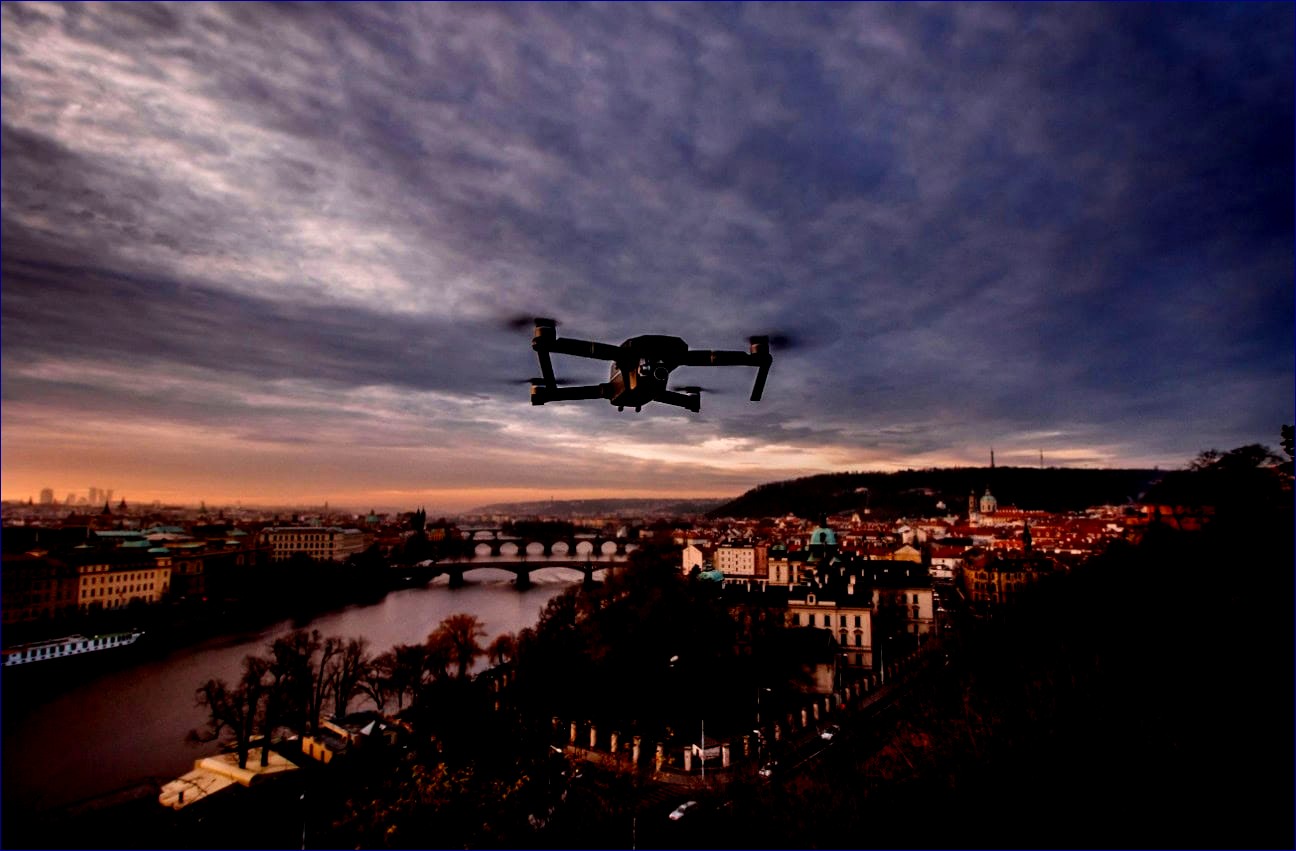
Amazon is set to significantly expand its Prime Air drone delivery service, aiming to cover almost 500 cities and towns across the United States by the end of 2026. This is a big jump from the current 11 metropolitan areas where the service is already in action. The MK30 drones used in this service can deliver packages weighing up to five pounds in as little as 30 minutes.
While many might not picture a drone delivering a package to their doorstep, Amazon is pushing to make this a normal part of shopping rather than just a futuristic idea. However, for this ambitious plan to be successful, the drones must navigate various challenges, such as different types of homes, changing weather, and customers who might be hesitant about this new delivery method.
### Aiming for the New Normal in Deliveries
Amazon’s future Prime Air locations are primarily focused on suburban areas, with plans to include cities like Chicago, Atlanta, Cleveland, Syracuse, and Boise. The company hopes to reach about 30 million customers by the time 2026 arrives.
So far, Amazon has successfully delivered hundreds of thousands of packages using drones, proving that the technology works. Now, the company is looking to scale up its operations and provide millions of additional customers access to this innovative service.
It’s important to note that not all deliveries will be handled by drones. Larger orders will still require delivery vans. However, drone deliveries could be a quick solution for smaller items, which might be beneficial when a customer needs something urgently without the bulk of a delivery van.
### Understanding the Delivery Model
The MK30 drones can operate within a range of 7.5 miles, meaning simply being in one of the 500 planned cities does not guarantee delivery. Customers must reside close enough to a Prime Air delivery center for the service to work, which makes the location of these centers crucial.
The Federal Aviation Administration (FAA) is also involved, overseeing where these drone flights can take place. While Amazon has received some approvals for operations, expanding to new areas requires meeting specific regulations.
In places like Chicago, the potential for busy delivery centers is high. Each center could manage up to 1,000 drone flights daily, leading to thousands of deliveries across the suburbs. Of course, weather conditions could impact deliveries, so not every customer in the right area might receive their order when they expect it.
### Would You Prefer a Drone Delivery?
Walmart has already made over a million drone deliveries, showing that many customers are starting to rely on this quick service for their everyday needs. With its network spanning 66 stores in four states and partnerships with various providers, Walmart is ahead in the drone delivery game.
When you think about it, receiving a package in about 30 minutes can be quite appealing, especially if you suddenly realize you’re missing an ingredient while cooking. However, for less urgent needs, waiting for a traditional delivery might still make more sense. Another consideration is how people living in homes under drone delivery routes might feel about frequent drone traffic overhead, which could be louder and more noticeable than a delivery van.
Amazon isn’t just hoping to impress people with the idea of drone delivery; it wants customers to find it genuinely useful.
### The Future of Drone Deliveries
Amazon has a good chance of making drone deliveries a regular choice for customers, especially considering Walmart’s success in this area. The company now faces the challenge of convincing its customers that they too can benefit from this innovative delivery method.
If it works, seeing a drone make a delivery could eventually feel as normal as a delivery van doing the same, leading us to wonder why deliveries from Amazon ever needed to be made by road at all.
