
Concerns Rise Over Immigration Issues in Ceuta, Spain
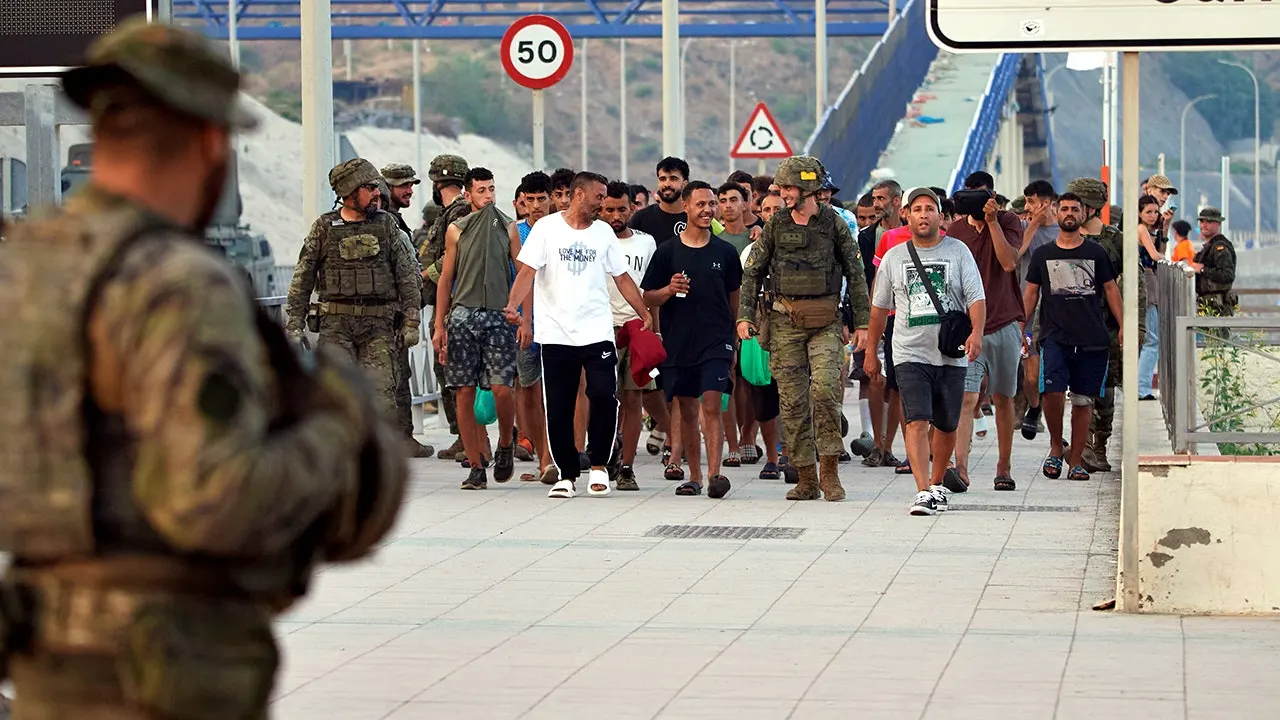
Residents of Ceuta, the Spanish enclave in North Africa bordering Morocco, are expressing their worries about the government’s handling of immigration. During an interview, journalist Javier Negre highlighted the distress felt by locals after a sudden surge of around 70,000 migrants entered the city on July 30.
According to Negre, both sides of the political spectrum in Ceuta are feeling the strain. “The local citizens are really sad. They find it complicated to live right now in Ceuta,” he explained. Many residents have reported criminal activities linked to migrants, including theft and assaults, creating a sense of fear in the community.
Negre emphasized the need for stronger immigration controls, arguing it’s unfair to taxpayers who contribute to social services like healthcare and education, which are becoming overwhelmed due to the migrant influx. “We need to prevent illegal immigration because it’s not fair for the citizens who pay taxes,” he stated.
Ceuta’s mayor, Juan Jesús Vivas, shared similar sentiments during a European Parliament meeting. He warned that the recent influx has put public safety and health at risk, raising concerns about the city’s capacity to handle immigration. “The Morale of Ceuta’s residents is really affected. They feel sad and anxious,” Vivas noted.
Since the overwhelming number of migrants crossed into Ceuta, security measures have been tightened on both the Spanish and Moroccan sides of the border. However, Negre mentioned that Moroccan officials have indicated that these measures may not be sufficient.
In addition to the security concerns, Negre criticized Spanish Prime Minister Pedro Sánchez’s approach to Morocco. He suggested that Sánchez’s strained relationship with Morocco may have contributed to the chaos at the border. “There are rumors that the king of Morocco wanted to send a message to the Spanish government,” Negre said.
Sánchez’s recent trip to Algeria, aimed at mending diplomatic ties, occurred just ten days before the migrant surge and has drawn scrutiny. Western Sahara, a key point of contention between Algeria and Morocco, continues to complicate relations in the region. Although Spain does not officially recognize Morocco’s claims over Western Sahara, Sánchez has shown support for certain Moroccan proposals related to it.
As Ceuta grapples with these ongoing issues, residents are left hoping for effective solutions that address both their safety and the challenges posed by migration.
