
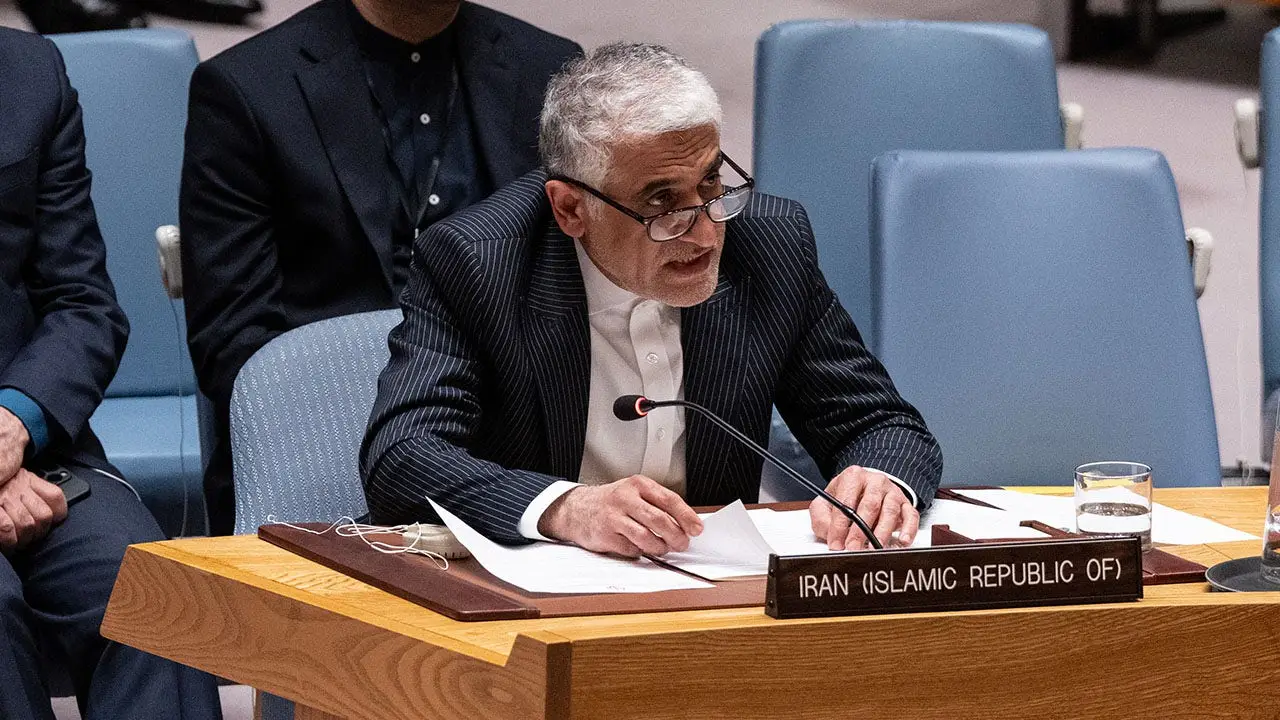
Iran’s Bid for a U.N. Committee Position Raises Concerns Over Human Rights
In a surprising move, Iran is set to be voted on for a position in a key United Nations (U.N.) committee that influences policies related to human rights and women’s rights. Hillel Neuer, the leader of a prominent U.N. watchdog group, has called this potential election “Orwellian.”
This vote is scheduled for November, as the U.N. General Assembly considers admitting Iran to the Committee for Programme and Coordination, which consists of 34 members serving three-year terms. Observers are largely expecting the vote to go through without significant opposition.
While the committee does not draft treaties or directly condemn human rights violations, it holds considerable power in overseeing how human rights initiatives are carried out across the U.N. framework. Despite Iran’s track record of human rights abuses and aggressive crackdowns on dissent, the U.N. Economic and Social Council (ECOSOC) nominated the country back in April.
Iran has been criticized for not only its harsh restrictions on women’s rights but also for its efforts in state-sponsored terrorism, supporting militant groups like Hezbollah and Hamas, and recent military encounters with neighboring Gulf states.
“It’s alarming to consider that this government might have any say in human rights discussions,” Neuer told a news outlet. He lamented that the U.N., which was established to promote global peace and justice after World War II, is falling short of these ideals, allowing regimes like Iran’s to gain influence.
Neuer expressed further disappointment over the current composition of the U.N. Human Rights Council, which includes countries with troubling human rights records such as China, Cuba, and Pakistan.
In Iran, the crackdown on freedom of expression continues, with reports of public executions for individuals involved in protests against the government. Many have been arrested or killed while voicing their demands for change.
Human rights advocates argue that the U.N. should embody its stated values of democracy, freedom, and women’s rights. However, they feel that the organization falls short when many of its member states are oppressive regimes.
The situation raises questions about why democratic countries seem willing to overlook Iran’s actions in favor of political interests. Neuer highlighted that many Western nations appear hesitant to challenge Iran due to a mix of political strategy and fear of confrontation, preferring a path of least resistance instead.
As the vote approaches, the international community watches closely, questioning the implications of Iran’s potential role within the U.N. framework.
