
U.S. Strategy Shift Considered Amid Growing Houthi Threat in Red Sea
JOHANNESBURG: As the Iran-supported Houthis increase their threats to ships in the Red Sea, experts say the U.S. might rethink its strategic approach.
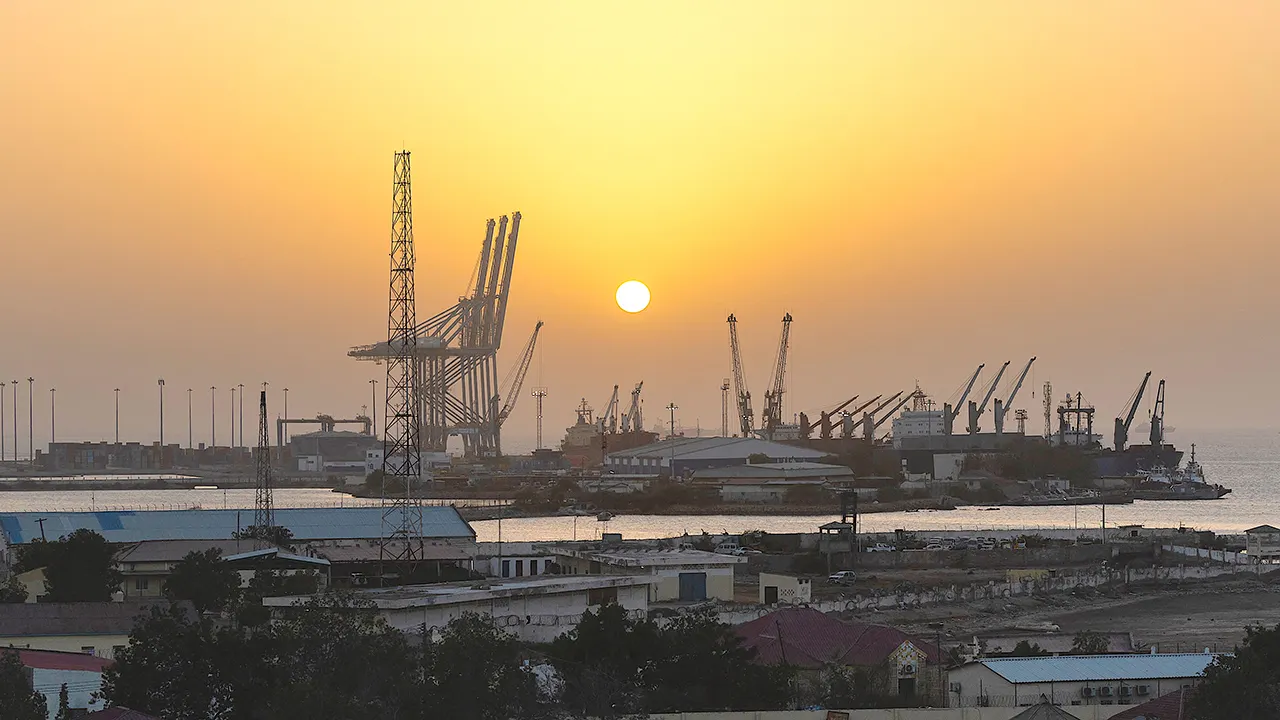
Recent Houthi attacks on vessels in critical shipping routes have prompted discussions about strengthening ties with more dependable partners along Africa’s coast. Somaliland, a territory that declared independence from war-ravaged Somalia in 1991, has reached out to the U.S. for military collaboration, offering access to a deep-sea port and one of Africa’s longest runways.
The Houthis have declared their intent to shut down the Bab-el-Mandeb Strait, a crucial passage for Saudi oil exports. In the last month alone, they have targeted ships flying the Saudi flag and even sunk an Indian cargo vessel. An Egyptian ship was also struck, resulting in casualties among its crew.
Currently, the U.S. maintains a military base in Djibouti along the Red Sea, but concerns are rising about its reliability as a partner, particularly with China expanding its presence in the region. Former British Ambassador Edmund Fitton-Brown remarked that Djibouti may no longer be dependable, increasing the significance of Somaliland’s offer.
Major General Ken Ekman, who retired recently from the Department of Defense, suggested that the ongoing threat from the Houthis could push the U.S. to officially recognize Somaliland as an independent entity, altering American strategy in the region.
Houthi Influence and U.S. Military Strategy
According to Ekman, the Houthis are trying to create a second front in the ongoing Middle Eastern conflicts, which complicates U.S. military operations. He noted their actions are a test of U.S. capabilities, particularly as Iranian influence might wane in key waterways.
The current U.S. strategy in Africa primarily focuses on counterterrorism against groups linked to al-Qaeda and ISIS, though experts argue these threats do not pose an immediate danger to U.S. interests.
While the U.S. still publicly supports Somalia, tension exists around its government’s issues with corruption and internal strife. Questions have been raised about whether the U.S. might shift its allegiance to Somaliland if the situation does not improve.
Bill Roggio, editor of the Long War Journal, emphasized that while the U.S. has grown frustrated with Somalia’s government, it has not yet reached a point where formal recognition of Somaliland’s independence would occur.
U.S. Engagement with Somaliland
Despite formal resistance to recognizing Somaliland, relations seem to be strengthening. AFRICOM’s Commander Gen. Dagvin Anderson recently visited Somaliland, reviewing the port of Berbera, enhancing collaboration on security matters in the Red Sea.
Bashir Goth, Somaliland’s representative to the U.S., reiterated that Somaliland boasts the stability and strategic location necessary for partnership. He emphasized ongoing dialogues with U.S. defense officials regarding security in the Red Sea region.
Moving Forward
As the U.S. and its allies continue to grapple with the Houthi threat and other regional challenges, engagements with Somaliland could become increasingly essential. The situation remains fluid, and how the U.S. ultimately responds could redefine alliances in the Horn of Africa.
