
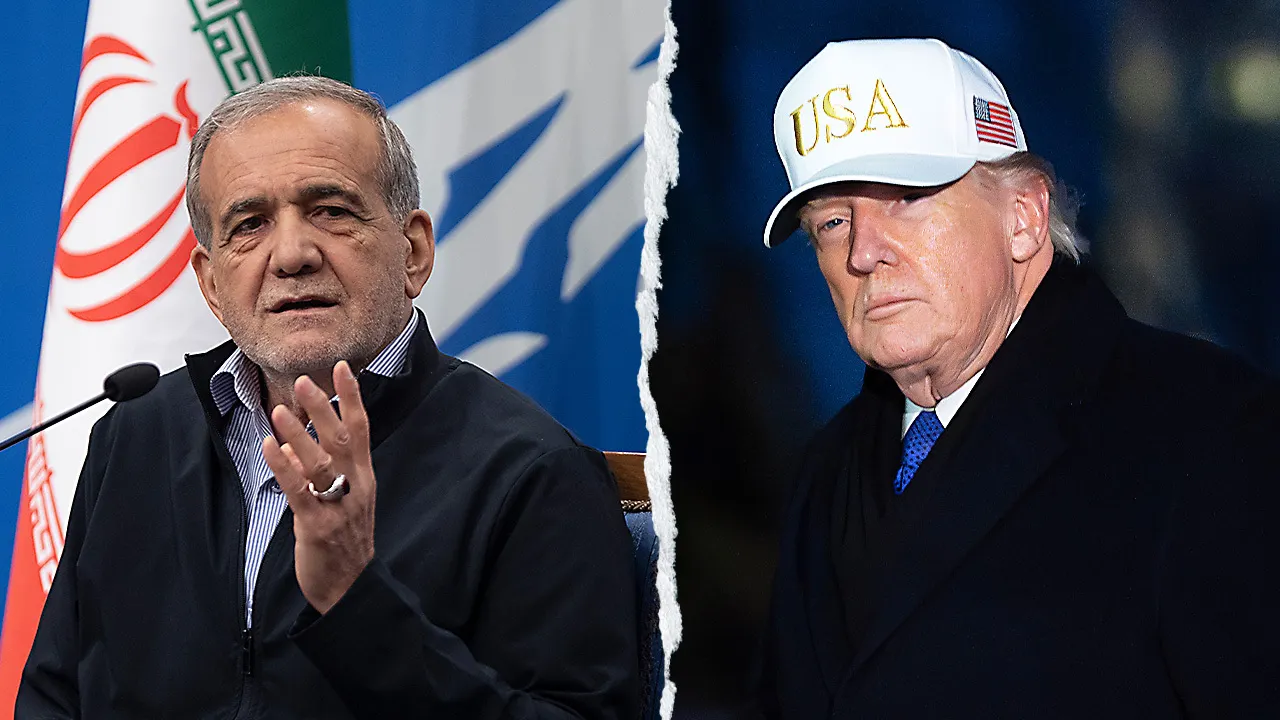
Iran’s President Reaffirms Support for Hamas Amid U.S. Disarmament Efforts
Iran’s President Masoud Pezeshkian reached out to Hamas’ new leader, Khalil al-Hayya, to congratulate him and confirm Iran’s ongoing backing of Hamas, according to an official statement from the group. This development comes as President Donald Trump promotes a new agreement aimed at disarming Hamas and reducing its influence in Gaza.
During the phone call, Pezeshkian reassured al-Hayya of Iran’s support despite ongoing challenges, stressing, “We are with you in every action you take.” The Iranian mission to the United Nations has been approached for confirmation of this communication, but no response has been received yet.
Internal Dynamics Within Hamas
Analysts note that the selection of al-Hayya as Hamas’ leader signals the group’s focus on maintaining unity and its relationship with Iran, particularly in light of the recent conflicts in Gaza. This shift highlights the complexities facing Trump’s disarmament initiative, which aims to eliminate Hamas’s power while Iran publicly backs the organization.
Trump’s administration has described the agreement as a “historic” step toward completely disarming Hamas and other armed groups, framing it as crucial for the reconstruction of Gaza. However, concerns arise regarding the ability to enforce disarmament against a group that continues to receive significant support from Iran.
Challenges in the Disarmament Process
The proposed roadmap from Trump’s advisory group, dubbed the “Board of Peace,” suggests that Hamas must transfer governance and security roles in Gaza to a Palestinian technocratic body while addressing the issues surrounding weaponry in phases. However, it remains unclear who will enforce these processes and ensure compliance.
As discussions proceed, tensions have escalated on both sides, with Israel resisting any steps back from its current military stance in Gaza. An Israeli official indicated that there would be no withdrawal from military operations without tangible disarmament from Hamas first.
Public Sentiment in Gaza
On the ground, the humanitarian situation remains dire. Many Gazans are hopeful for peace and a better future, yet distrust Hamas due to its violent history against internal dissent. Palestinian lawyer Moumen al-Natour echoed the sentiments of many civilians, expressing the desire for a new governance model free from Hamas’ control.
While the Board of Peace lays out a complex plan for transitioning governance and disarmament, the path to peace also hinges on significant changes within Hamas. Public skepticism remains high, with experts stating that it is unlikely Hamas will fully disarm.
Continued Obstacles and Future Prospects
Resistance within Israel’s government complicates the situation further, as several ministers push back against international involvement in Gaza and the proposed steps that could lead to an Israeli troop withdrawal. They argue that such measures could jeopardize Israel’s security interests.
As the dynamics evolve, the central question looms: will Hamas genuinely disarm, or is it more focused on maintaining its power during a potential transitional period?
