
Prashant Kishor Makes a Comeback in Bihar Politics
Last year, Prashant Kishor, a well-known election strategist in India, faced a tough setback when his Jan Suraj party did not win any seats in the important Bihar state elections. Many believed this marked a disappointing start for him, and questions arose about his future in politics.
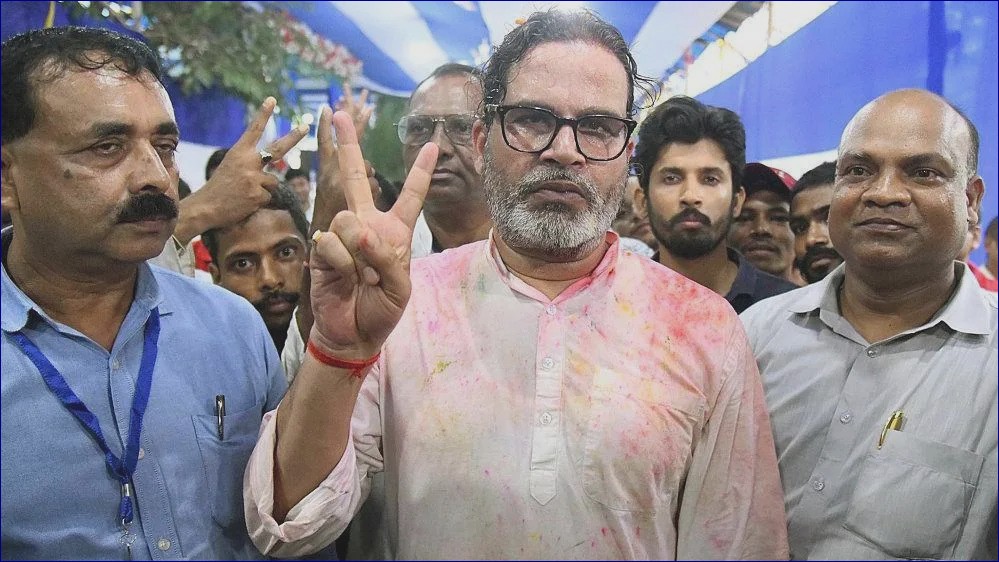
However, Kishor has surprised many by making a comeback. He recently secured a significant by-election victory, marking his first time as a lawmaker.
This victory has raised eyebrows among political analysts. While it’s early to draw major conclusions from just one by-election, it has reignited discussions about Kishor’s political path and the potential for Jan Suraj to become a significant player in Bihar.
The 49-year-old Kishor defeated candidates from the ruling Bharatiya Janata Party (BJP) in Bankipur, a seat the BJP has dominated since 1995. The previous representative, Nitin Nabin, held this seat for five consecutive terms before stepping down earlier this year.
Kishor was once the top strategist in Indian politics, helping Prime Minister Narendra Modi secure a historic win in 2014 with innovative campaign techniques, like using holograms to connect with voters. Yet, he later had a falling out with the BJP and contributed to the alliance that defeated them in Bihar’s 2015 assembly elections. He then briefly joined the JD(U) party under former Chief Minister Nitish Kumar.
In 2020, however, he departed from the JD(U) due to its backing of the controversial Citizenship Amendment Act, which was introduced by the BJP-led government.
A year later, Kishor was credited with aiding Mamata Banerjee in her victory over the BJP in West Bengal. He indicated this would mark the end of his career as a consultant. Since then, he has provided advice to various political factions across India.
In 2022, he began a lengthy foot march, called a padyatra, throughout Bihar with a small group before launching the Jan Suraj party in early 2024. After failing to win any seats in the 2025 assembly elections, many wrote him off, making his Bankipur run seem risky. Yet, it turned out to be a successful gamble.
Bihar, a key state that contributes 40 members to the Lok Sabha (the lower house of Parliament), is comparable in size to Portugal but has a population exceeding that of the UK. This leads to high unemployment rates, prompting many to seek work in other states. Residents from Bihar frequently take up low-paying manual labor jobs, both within India and abroad.
Kishor has highlighted these issues, particularly youth unemployment, throughout his campaign. He focused on challenging Chief Minister Samrat Chaudhary directly, arguing that he was not fit to tackle Bihar’s problems.
Bankipur is home to many colleges and coaching centers, and approximately one-third of its electorate is under 30 years old. This demographic is crucial, especially since student protests over jobs and exams have been rising, leading to a government minister’s resignation just weeks before the election.
Kishor’s emphasis on youth unemployment and the migration of young people for jobs resonates with voters. Although this one by-election win suggests that younger voters may support a political outsider, it remains to be seen if this trend will translate into broader electoral success in the future.
