
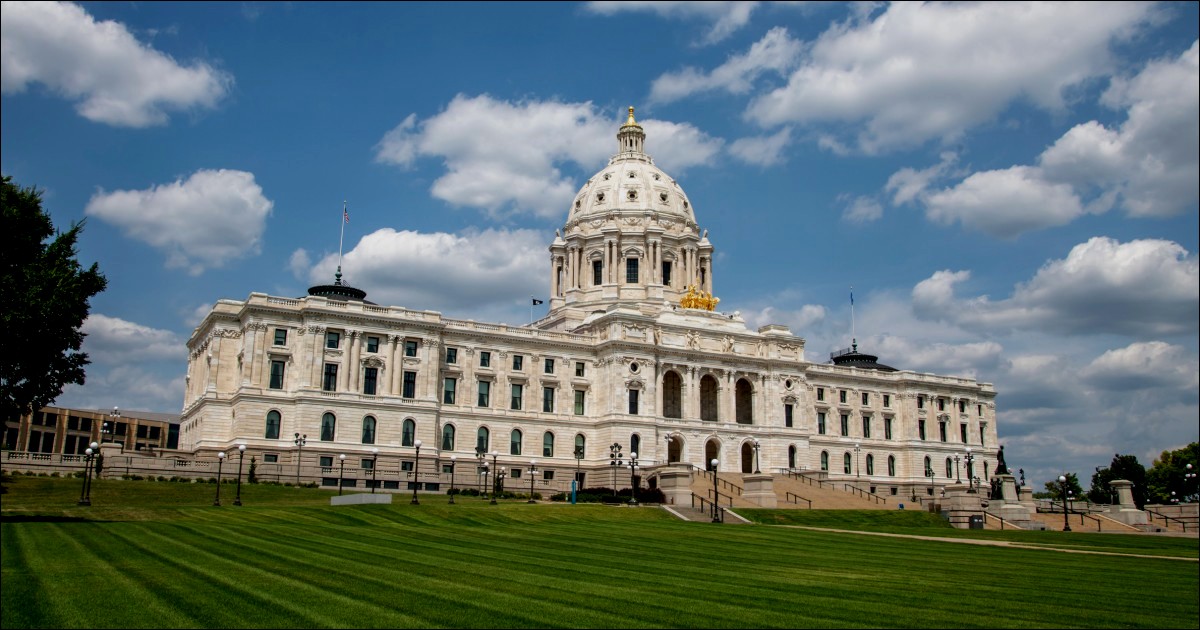
A federal judge has stepped in to pause Minnesota’s unique prediction market ban just days before it was set to take effect. This decision follows lawsuits from the Justice Department and the Commodity Futures Trading Commission (CFTC), along with companies Kalshi and Polymarket US, who challenged the law.
U.S. District Judge Katherine Menendez determined that the plaintiffs showed a strong likelihood of winning their case, believing that federal law takes precedence over the state ban. She stated that if the law were enacted, it could cause irreversible damage to the companies involved.
The ruling stops Minnesota from enforcing this law against firms that are registered as designated contract markets with the CFTC. The plaintiffs argued that this ban conflicts with federal regulations, which grant the CFTC the power to oversee event contracts on federally approved exchanges.
In her order, Menendez noted that while the Minnesota law may not be entirely superseded, it is likely to be overruled in many aspects. The temporary halt to enforcement will allow for further consideration of the matters at hand.
The CFTC had indicated it would escalate its case to an appellate court if it did not receive a response by the next day. They have been actively seeking to overturn the ban and had previously requested a decision by mid-July, although the court had not provided one by that deadline.
Kalshi and Polymarket highlighted that the ban would potentially harm their operations, with Polymarket stating it could disrupt a uniform national market and infringe on advertising rights, an issue the court chose not to address at this stage.
While the Minnesota law did not explicitly punish state residents for using prediction markets, it effectively barred companies from operating within state lines. The ban was part of a larger public safety bill, with lawmakers labeling prediction markets as a gambling issue, which state Rep. Emily Greenman stressed has always been tied to public health and safety.
Minnesota is not alone in its stance against prediction markets. Earlier this year, Arizona filed criminal charges against Kalshi for transactions resembling sports betting, but a federal judge blocked those efforts, stating that federal law takes precedence. Similarly, Nevada’s state court has extended a temporary ban against Kalshi, while Utah, where gambling is prohibited, has recently banned proposition betting related to prediction markets.
