
The World of Soccer Jerseys: What’s Behind the Price Tag?
In Bangladesh, factories are buzzing with activity as millions of soccer jerseys are produced, ready to be shipped worldwide. While these jerseys may look similar to the casual observer, they come in a variety of qualities, from high-end official replicas to cheap knockoffs.
Official replicas, which are made under FIFA’s licensing, are crafted with care and can cost around $180. Collectors sometimes shell out even more; certain unique jerseys can fetch up to $400. On the flip side, lower-quality fakes are sold for as little as $20.
The global effort to curb fake jersey shipments is escalating. But what makes official jerseys so pricey? Is it the quality of the fabric or simply the brand name?
Inside the Factories
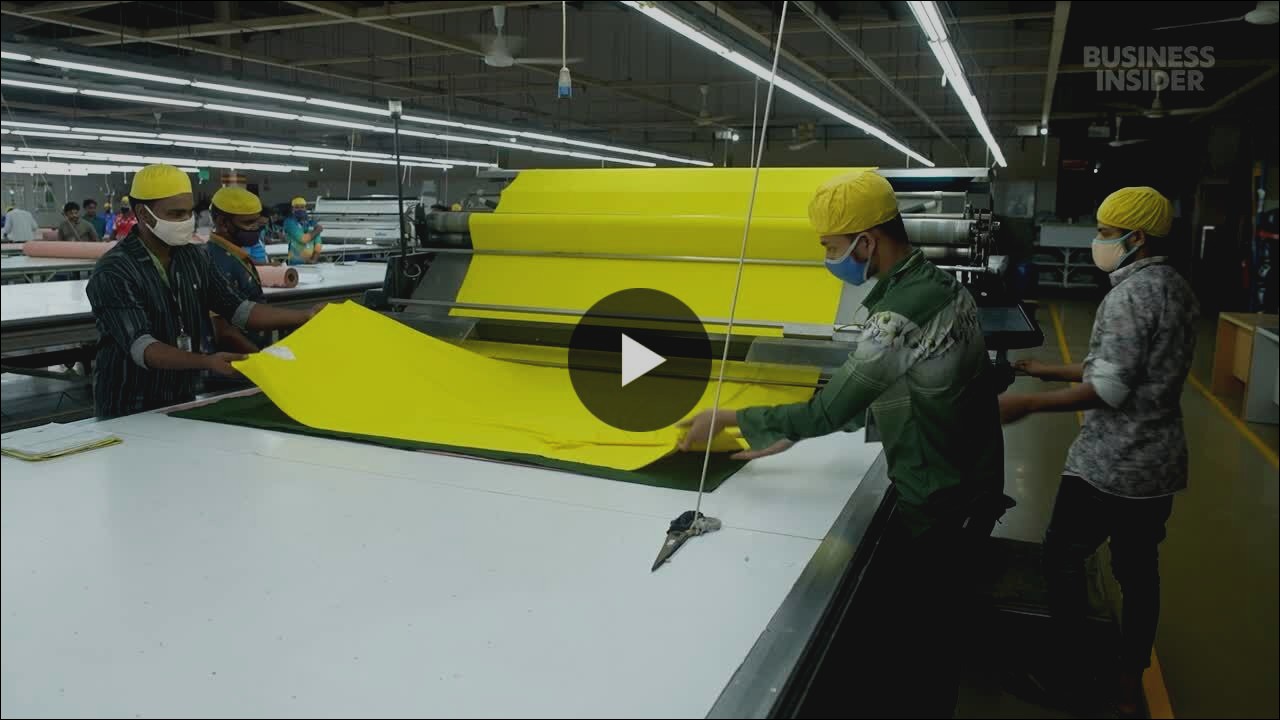
Apollyon Style, one of the major fabric factories in Bangladesh, employs around 5,000 workers and recently received a major order from Marks and Spencer for 90,000 official replica jerseys. Securing the necessary permits took six months before the factory could start production.
The manufacturing process begins with turning yarn into fabric using specialized knitting machines. Workers meticulously assemble each jersey by stitching on various components like collars and logos. By the end of the process, about 80 workers contribute to the creation of a single jersey, which undergoes multiple quality checks before being sent off to places like England and Brazil.
What’s the Difference?
In Manhattan, a sporting goods store offers a closer look at the jerseys. Official replica jerseys provide a comfortable fit and are made with additional features such as embroidered patches. These typically sell for about $119.
Authentic jerseys, on the other hand, are crafted with advanced materials and have elements like reinforced stitching and ventilation. They even come with special authenticity labels, including a hologram, and retail for around $180.
Where Does the Money Go?
When you buy a jersey, a significant portion of the cost goes to various areas: about 35% to retailers and 25% to brands like Nike and Adidas, which invest heavily in marketing and endorsements. It’s important to note that even high-quality jerseys cost just a few dollars to produce, mainly due to low manufacturing costs in Asia.
Licensing fees paid to FIFA for the official use of World Cup branding also contribute to the overall price. Taxes and transportation costs further add to the final price tag.
Growing Popularity of Jerseys
The global market for soccer jerseys is booming, valued at approximately $15 billion in 2023. This figure is expected to nearly double over the next decade as soccer’s popularity continues to climb. The upcoming 2026 World Cup is anticipated to attract around 6 billion viewers, leading to projected licensing revenue of about $670 million for FIFA.
However, teams’ fortunes can change quickly; for instance, after Italy failed to qualify for the upcoming World Cup, Adidas cut prices on its Italy jerseys significantly.
Jerseys as Fashion Statements
Today, soccer jerseys are not just for sports fans. They have become trendy items, worn by celebrities and even pets. In New York, a limited-edition World Cup jersey was released for just $50 but quickly became a sought-after item, reselling for nearly $1,000 on platforms like eBay.
As jerseys gain popularity as fashion statements, counterfeit sales have surged, with nearly 18% of all football jerseys sold globally being fake.
A Cautionary Purchase
In a busy street market, we found knockoff jerseys lacking price tags, with noticeable differences in fabric quality and even stitching. While these were available for just $25, they hint at the ease of being misled when shopping for soccer jerseys.
In conclusion, the market for soccer jerseys is vast and complex, influenced by production costs, marketing strategies, and shifting trends in both sports and fashion.
