
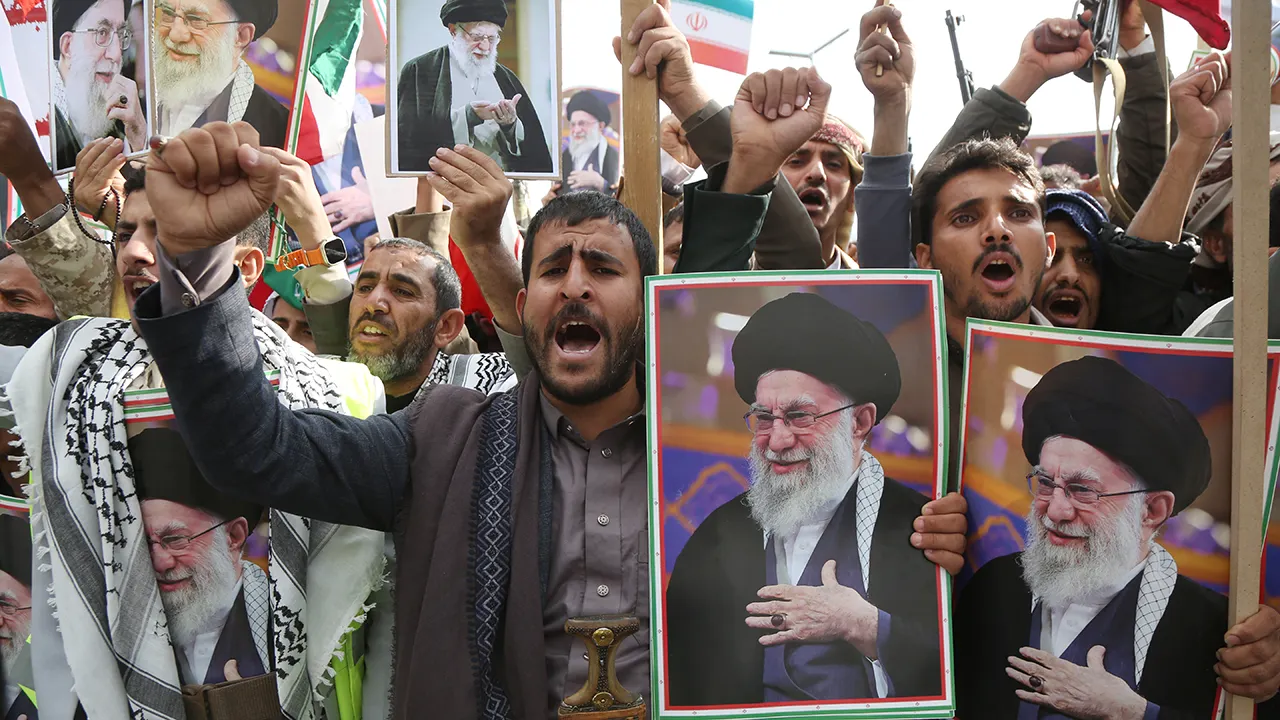
Houthi Movement Criticizes Saudi Arabia Over Airport Attacks
The Houthi movement, labeled as a terrorist group by the U.S., has condemned Saudi Arabia for allegedly conducting airstrikes on Sanaa Airport, which may indicate a troubling new conflict in the region. This follows a truce established between the Houthis and the Saudi-led coalition in 2022, which has faced challenges as the Houthis have recently intensified their military actions, particularly impacting shipping routes in the Red Sea.
Houthi military spokesperson Yahya Saree has labeled the airstrikes “blatant aggression” and warned that Saudi Arabia would face consequences for the attacks. He further threatened a retaliatory strike on King Khalid Airport in Riyadh, while Iranian media condemned the Saudi actions as violations of Yemeni sovereignty.
In recent developments, Saudi Arabia’s Ministry of Defense stated that the airstrikes targeted Sanaa’s runway to prevent an Iranian plane from landing. Despite these claims, the plane reportedly landed at another airport in Hodeidah under Houthi control.
Political analysts suggest that the Houthis, backed by Iran, are trying to demonstrate their relevance amid ongoing tensions involving the U.S. and Iran. A Saudi geopolitical expert noted that the Houthis are in a precarious position and are attempting to assert themselves to their Iranian supporters.
In response to the situation, the Yemeni government is reportedly taking steps to protect its airspace and maintain authority over its territory, having regained control of much of Yemen’s land from the Houthis. Experts believe this conflict may extend beyond just air travel, reflecting deeper political rivalries involving Iran.
Despite the increased military tensions, the Saudi government has not yet responded to the accusations regarding the attacks on the airport. Meanwhile, Houthi leaders have warned that actions taken against them will not go unanswered, indicating a heated exchange of threats between the groups.
This conflict highlights the Houthis’ growing importance in Iran’s strategy for regional influence, especially as they emerge stronger compared to other Iranian allies. The situation remains tense, and the implications of these exchanges could impact oil prices and international relations significantly.
