
Ceasefire Tensions Rise Between the US and Iran
Tensions continue to escalate in the Middle East as recent military actions put a ceasefire between the U.S. and Iran to the test. Following attacks on shipping routes in the Strait of Hormuz by Iran, the U.S. responded with strikes on Iranian missile and drone facilities. Reports indicate Iran has also been launching drones towards nearby nations like Kuwait and Bahrain, further heightening the situation. This surge in hostility coincides with ongoing diplomatic talks between Israel and Lebanon.
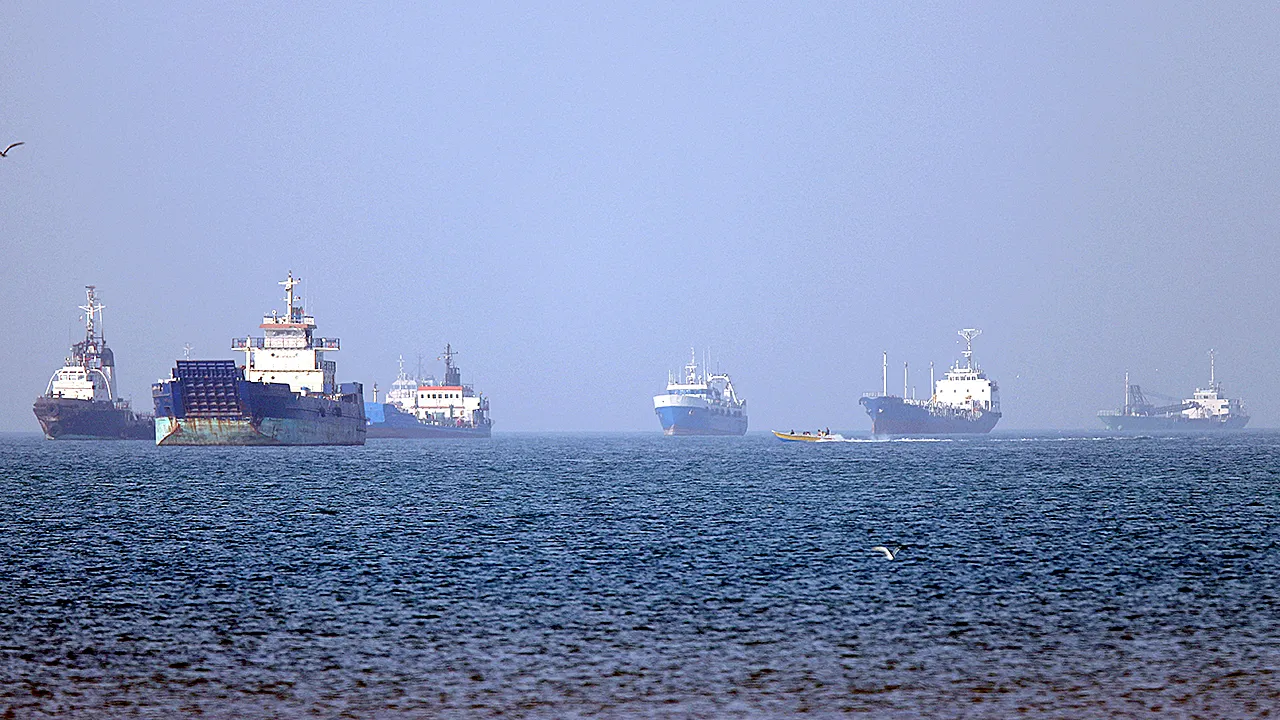
As military actions intensify, shipping company Hapag-Lloyd has highlighted the “new normal” of increased risks and uncertain regulations in the Strait of Hormuz. The firm noted that conflicting routing directives have led to chaos in this vital shipping corridor.
Hapag-Lloyd mentioned that Iran has recently resumed moving large quantities of crude oil from Kharg Island, with an estimated 4.12 million barrels being shipped, including roughly 3.91 million barrels of crude oil. This comes at a time when U.S. Central Command has also ramped up military operations in the area.
The situation is complicated by a division in maritime control, with some routes under Iranian influence while others are protected by U.S. forces. Hapag-Lloyd acknowledged that the region’s fluid situation requires constant reassessment of risks for every vessel, as safety remains their utmost priority.
Iran has communicated that they are responsible for maintaining the flow of maritime traffic through the Strait of Hormuz. However, experts caution that any attempt to impose fees for passage through international waters would be a significant issue, as such actions could be seen as weaponizing the critical trade route.
As multiple vessels remain caught in the confusion, Hapag-Lloyd successfully managed the departure of its ships previously affected by temporary closures. The company emphasized the safety of their crews as their top concern moving forward.
