
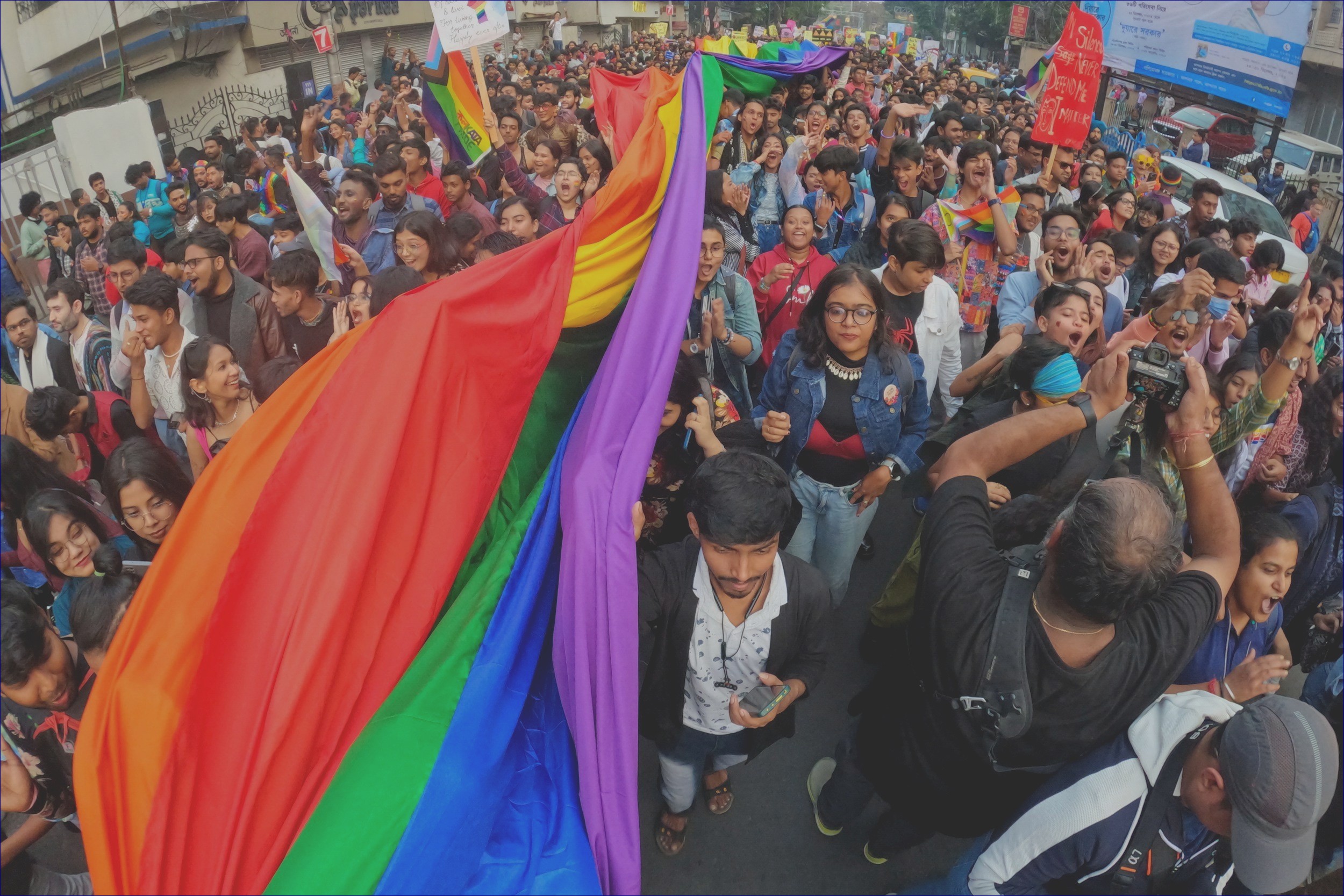
In a small parish in southern India, a new initiative marks a significant step in inclusivity. Earlier this year, Kadarkarai Sagaya Madha Church in Ennore—a working-class neighborhood of Chennai—opened a dedicated “Catholic Desk” for transgender individuals. This move resonates deeply in a culture that often marginalizes and stigmatizes the transgender community.
This initiative stands out as one of the first organized efforts of its kind within the archdiocese. It symbolizes the Catholic Church’s commitment to becoming a safe space for those who face discrimination, particularly in light of the recent against-transgender legislation in India.
The desk, comprising job placement help and counseling services, is spearheaded by priest Leo Joseph and Inba Ignatius, the founder of Snegidhan Snegidhi Trust. Ignatius, who transitioned while being raised Catholic, has a poignant role in promoting this inclusive effort.
The opening of the desk is particularly timely, as it coincides with the passing of the Transgender Persons (Protection of Rights) Amendment Act, which critics argue undermines essential rights for transgender people. Previously, a 2014 Supreme Court ruling allowed individuals to self-identify their gender. The new amendment, however, requires approval from a government medical board for legal recognition of their gender identity, which many see as a setback.
Amnesty International and medical groups have condemned the amendment, calling it a serious blow to human rights and calling for its reconsideration. Despite widespread protests, the legislation was rapidly approved.
In this challenging context, the parish’s initiative appears as a proactive response. The Catholic Desk is part of a broader network of support forming across India, though often without much publicity. In Guwahati, for example, Sister Prema Chowallur has been working with the Hijra community since 2016, creating the Rainbow Home—a shelter that also provides training and education for transgender individuals.
Sister Prema emphasizes that the Church’s mission today is to support the marginalized and those who are often overlooked. This adaptable approach echoes the teachings of Pope Francis, who has urged the Church to reach out to those on society’s fringes and affirmed the importance of welcoming transgender individuals.
While the formal guidelines from the Church on gender identity remain uncertain, local efforts like those in Chennai and Guwahati show a commitment to pastoral care without overlooking broader social issues. Ignatius’ involvement in the new ministry reflects a deep understanding of the struggles faced by transgender Catholics in India.
The Chennai initiative aims for a collaborative approach, involving various stakeholders to create a support system rather than a top-down charity model. Similarly, the Rainbow Home aims to empower individuals economically and socially, acknowledging that many transgender people face barriers not only in community acceptance but also in finding jobs, education, and dignity.
As the Church in India navigates a complex political landscape, it is choosing to extend its arms to a vulnerable community. While official communications emphasize dignity and support over activism, the impact of these ministries is undoubtedly political, offering hope to transgender individuals who seek both faith and acceptance in a world that often turns them away.
