
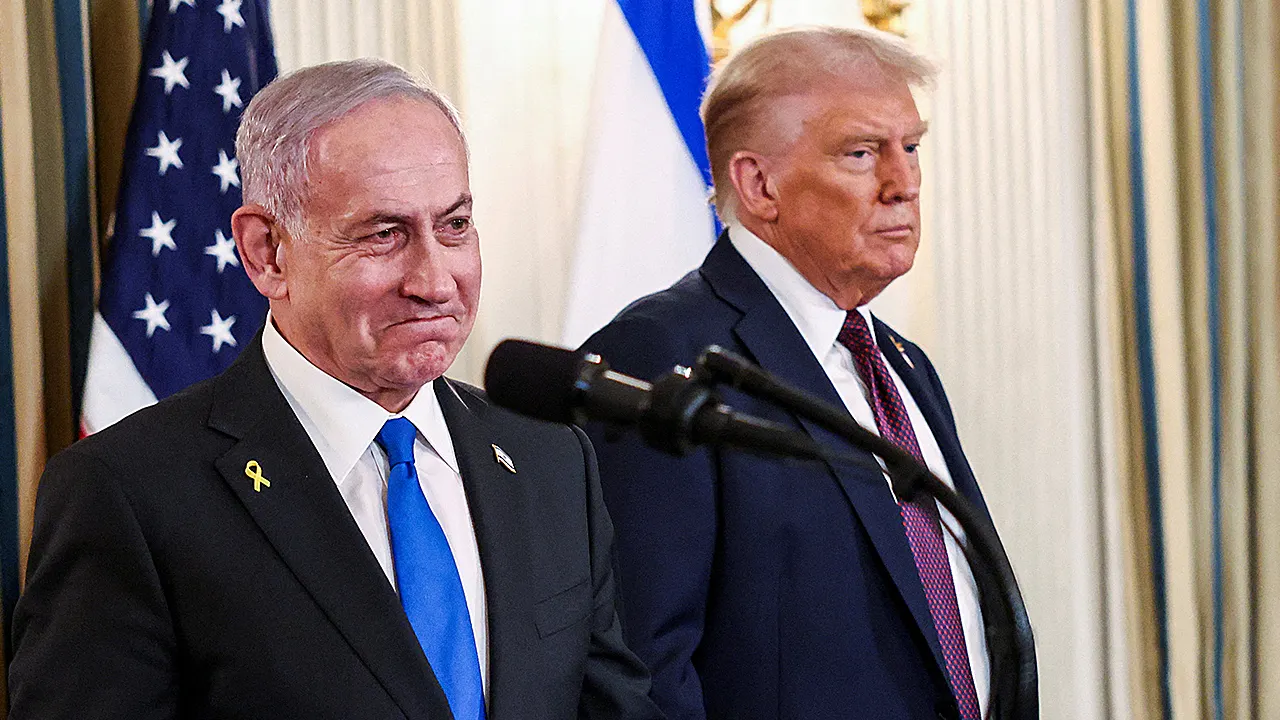
Trump Criticizes Netanyahu Over Strikes on Hezbollah
Recent tensions in the Middle East are making it hard for President Donald Trump to push for a peace agreement with Iran. Military actions, including U.S. strikes and a naval blockade, are putting pressure on Iran, while Israel has targeted Hezbollah positions in Beirut. Negotiations are ongoing but face skepticism, especially about Iran’s willingness to uphold any agreements.
A regional expert noted that there are growing worries in Israel that Trump might change his stance on Prime Minister Benjamin Netanyahu. These concerns were highlighted after the Israeli Defense Forces (IDF) launched strikes on Beirut for the second time, even after the U.S. warned that such actions could hinder the negotiations.
“The strikes are making it difficult to finalize the deal,” said a diplomat involved in the talks, implying that Israel’s actions might be an attempt to derail Trump’s peace efforts and draw the U.S. into further conflict.
Trump expressed his disapproval of the strikes through a post on social media, even questioning Netanyahu’s decision-making. The Israeli government is aware of the possible backlash from these military operations, viewing them as a threat to ongoing discussions with Tehran.
Natan Sachs, a senior fellow at the Middle East Institute, noted that there is “a rational fear” among Israeli officials regarding the deal with Iran. Sachs explained that Netanyahu’s long-term military strategy clashes with Trump’s focus on quick diplomatic successes.
During discussions mediated by Pakistan, Netanyahu confirmed that Israel is not part of the U.S.-Iran understanding. He reiterated his commitment to preventing Iran from “destroying the Jewish state.”
Recent days have seen increasing attacks from Hezbollah, targeting Israeli civilians, while the situation remains tense as Israel braces for possible Iranian retaliation.
Trump’s criticism of Netanyahu during a recent call highlighted the strain in their relationship, raising concerns that the Israeli leadership may have miscalculated by relying heavily on Trump to support their goals.
Sachs emphasized that, while Trump and Netanyahu share common objectives—like curbing Iran’s nuclear ambitions—their methods and timelines differ significantly. Netanyahu prefers careful strategy, while Trump seeks quick results, leading to potential friction between the two leaders.
This divide stems not just from different strategic views but also from their distinct personalities. Netanyahu is known for his calculated approach, while Trump often acts on instinct, creating a complex relationship that affects broader geopolitical dynamics in the region.
