
Idaho Man Acts to Free Christians Trapped in Bonded Labor in Pakistan
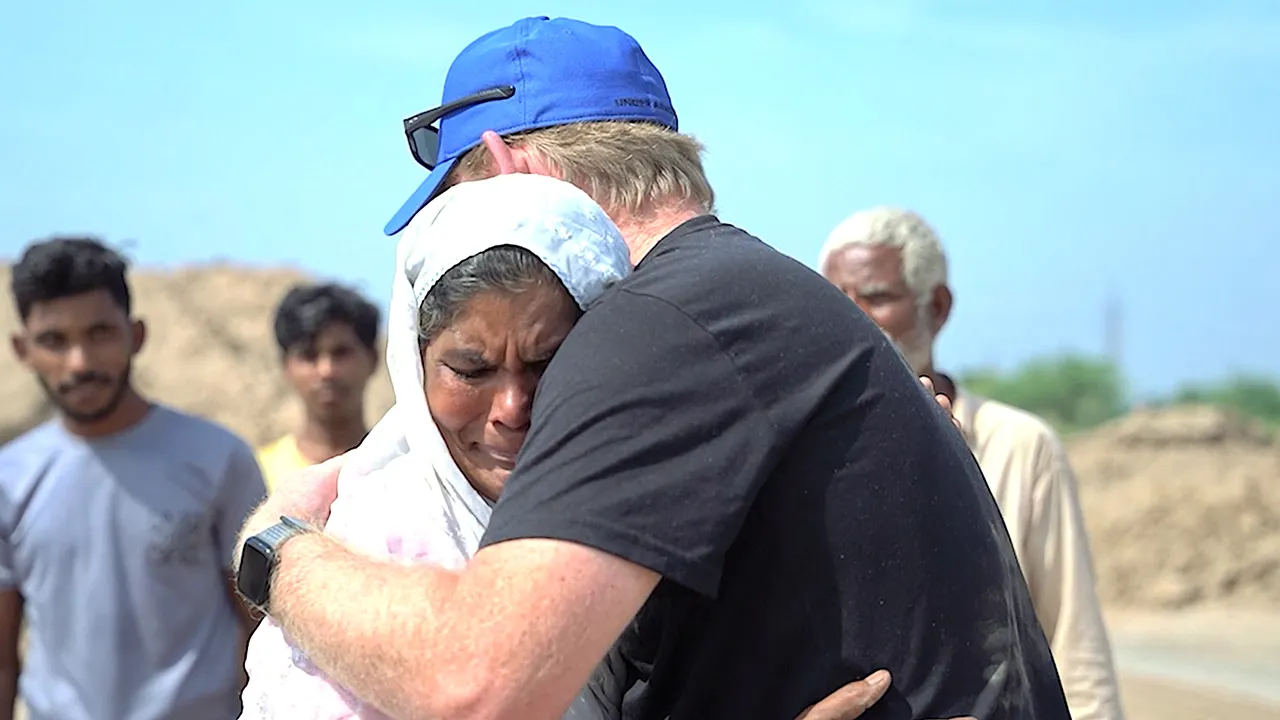
In January, Aaron Hutchings, a resident of Idaho, made a life-changing trip to a brick factory in Pakistan. As a strong Christian, he was deeply troubled to see children working tirelessly in the blazing sun, making bricks to pay off debts that had burdened their families for generations.
Within hours of arriving, Hutchings took action. He paid off the debts for two families trapped in this cycle of bonded labor, giving them a chance at freedom and ending their family’s long struggle.
According to Emma Hall, a researcher focused on persecution, as many as one million Christians in Pakistan may be engaged in slave-like conditions, which could represent up to 30% of the Christian population in the country.
Hall explained that acute poverty forces families to take high-interest loans for basic needs, leading them into a cycle of debt that is nearly impossible to escape.
Emmanuel Hernandez, another advocate for change, was taken aback when he discovered the plight of Christians in Pakistan’s brick-making industry. After a visit to the country to meet his future wife, he pledged to rescue one family each year.
In early 2025, Hernandez founded Project Jubilee. Through this nonprofit, he has managed to rescue around 300 Pakistanis from slavery, thanks to generous donations.
While Project Jubilee helps all marginalized individuals, Hernandez noted that about 98% of those rescued are Christians, often because they face discrimination.
On average, it costs about $8,500 to free a family due to the complexities involved in breaking the cycle of bonded labor. The nonprofit helps by paying legal fees, offering rent and food assistance, and connecting families with educational opportunities for their children. They also provide essential tools for income generation.
Hernandez faced challenges from factory owners regarding the number of families that could be freed each month, with some expressing restrictions on their participation in the rescue efforts.
After his first visit, Hutchings returned to Pakistan and liberated ten more families. His social media posts about these experiences garnered significant support, allowing his foundation to rescue even more families.
Although bonded labor was officially banned in Pakistan in 1992, enforcement is still a major issue. The U.S. Commission on International Religious Freedom has documented increasing violence and discrimination against religious minorities, especially Christians.
Hutchings and Hernandez both report that landlords frequently refuse to rent housing to Christians, which complicates resettlement efforts. However, local Christian groups have stepped in to help families find accommodation and jobs.
In a recent report, Pakistan’s National Commission for Human Rights highlighted the extent of bonded labor, urging for protective measures, especially for children. Their recommendations include better regulations for brick kilns, access to justice for laborers, and increased awareness when purchasing bricks.
Despite setbacks, Hutchings finds great reward in his work. He reflects, “I believe God’s hand has directed this journey, and while we aim to show love to these families, we’ve received so much in return.”
