
Bloomington Police Use Data to Tackle Speeding Issues
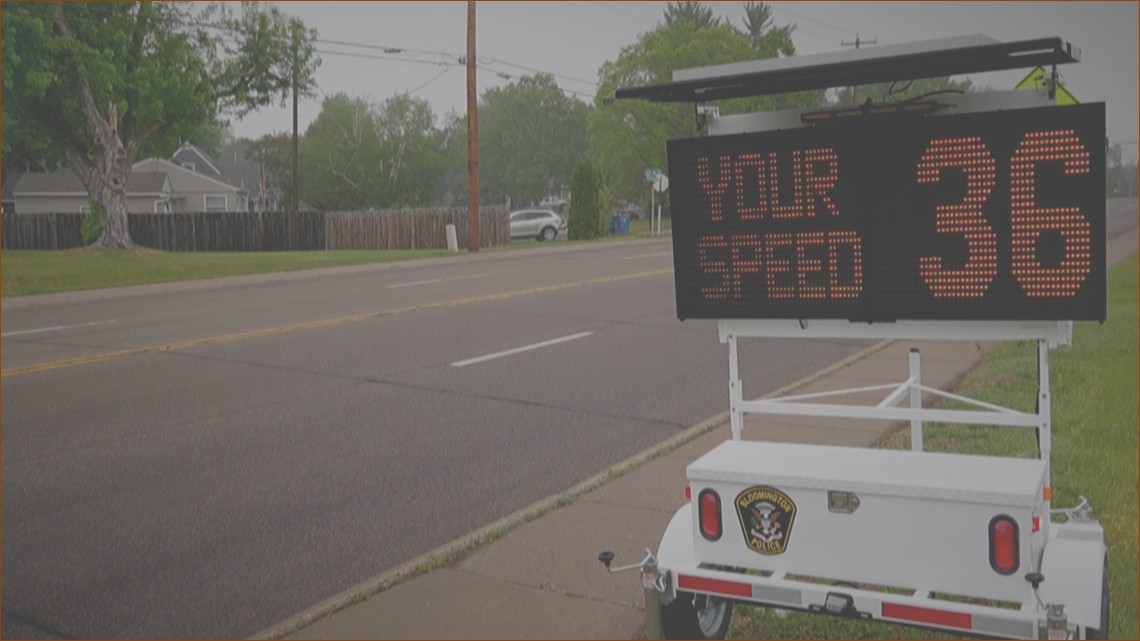
Bloomington, Minn. — The Bloomington Police Department is adopting new technology to monitor speeding across the city. With advanced traffic data, they can pinpoint where and when speeding often occurs.
Traffic Unit Investigator Chris Wegner explained, “We’re looking at how vehicles are driving, which helps us determine where to focus our resources.”
The department uses data from Urban SDK, an artificial intelligence platform, that provides insights even at specific street sections. This information is gathered from apps like Google Maps, Waze, and Apple CarPlay, which help track vehicles’ movements.
Wegner clarified that the data does not come from personal cell phones. “Urban SDK is careful about not using phone data to avoid confusion from cyclists or public transport,” he said.
This technology comes with an annual cost of about $32,500, partially funded by the police department, as noted by Assistant Chief Damon Bitney. “We see this as an investment to find out if it truly improves our efficiency,” he added, mentioning they are currently in a trial phase.
It’s important to note that the data isn’t real-time; there’s usually a week lag before the department receives it. “I can’t take immediate action based on outdated information,” Wegner remarked.
Bitney emphasized that their goal isn’t mainly to issue tickets but to identify problem areas and consider necessary changes to roads. “We want to find out where speeding occurs so we can allocate resources effectively, whether that be through police presence or traffic design improvements,” he said. “We’re looking for solutions, like adding curves or speed bumps, to enhance safety on our roads.”
