
Rivers Losing Oxygen: A Growing Concern Due to Climate Change
WASHINGTON — A recent study highlights that global warming is causing a slow decline in oxygen levels in rivers, which poses a threat to fish and other aquatic life. Researchers from China utilized satellites and artificial intelligence to monitor and analyze oxygen levels in over 21,000 rivers worldwide since 1985. The findings reveal a 2.1% drop in oxygen levels on average since that time. While this percentage may not seem significant, it could lead to severe consequences if the trend continues, especially in rivers in the Eastern United States, India, and the tropics, which may face critical oxygen shortages by the century’s end.
Scientists explain that warmer water can hold less oxygen. This warming is primarily driven by human-induced climate change, which also leads to more oxygen being released into the atmosphere. If current trends persist, rivers could lose an additional 4% of their oxygen by the end of the century, with some regions facing losses near 5%. This reduction, known as deoxygenation, could severely affect fish populations and communities that depend on these water sources.
Emerging Dead Zones
There is rising concern that oxygen levels could drop so low that dead zones will emerge in various rivers, similar to those found in the Gulf of Mexico, Chesapeake Bay, and Lake Erie. In these dead zones, fish struggle to survive due to the lack of oxygen. “Deoxygenation is a very slow process, but its impacts can accumulate over time, harming river ecosystems,” explained Qi Guan, an environmental scientist involved in the study. This decline could lead to biodiversity loss, deteriorating water quality, and even fish mortality.
Experts like Karl Flessa from the University of Arizona noted that ongoing oxygen loss could spell trouble, creating more dead zones, especially during warm periods. He emphasized that even slight changes in water temperatures could push some rivers into danger, making popular fishing spots less viable.
Key Risk Areas
India’s Ganges River, for instance, has been losing oxygen at a rate more than 20 times the global average earlier this century. With moderate to high increases in carbon dioxide emissions, rivers in the Eastern U.S., the Arctic, India, and much of South America are predicted to lose roughly 10% of their oxygen by 2100.
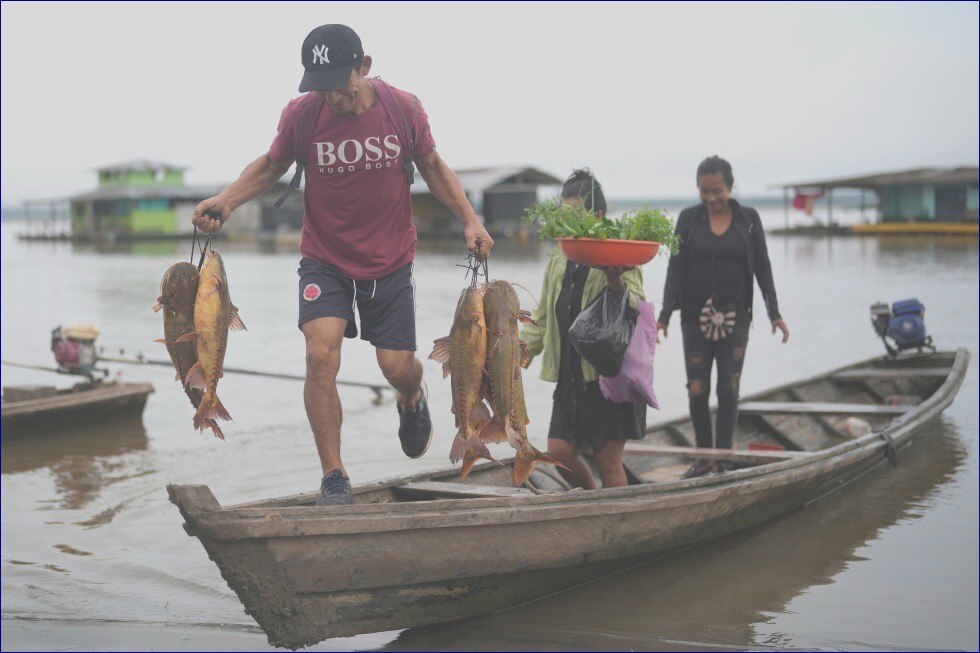
Guan expressed particular concern for tropical rivers like the Amazon. Research indicates that dead zone occurrences in the Amazon have risen dramatically in recent decades.
In a separate study, hydrology professor Marc Bierkens revealed that oxygen stress in rivers has been increasing by 13 days every decade since 1980, with dead zones emerging three days more frequently each decade. These trends could worsen as the planet warms further.
Causes of Oxygen Loss
The study identified several factors contributing to the decline in river oxygen levels, such as nutrient pollution from fertilizers, urban runoff, dam construction, and changes in river flow. However, the predominant cause—affecting nearly 63% of the issue—is the increase in water temperatures. Emily Bernhardt, an ecologist at Duke University, emphasized that as rivers warm, pollution issues will become more severe and pervasive, leading to increased instances of hypoxia and anoxia, the complete absence of oxygen.
“Reducing water pollution is crucial and will become more challenging as river temperatures rise,” she added.
