
Can Bowling Captains Shine in IPL’s Impact Player Era?
As the IPL landscape continues to shift with the introduction of the Impact Player rule, many question whether bowling captains still have a place in this fast-paced format. With batsmen enjoying a strong advantage—thanks to lighter bats, shorter boundaries, and the ability to bring in new players at crucial moments—it often feels like bowlers are fighting an uphill battle.
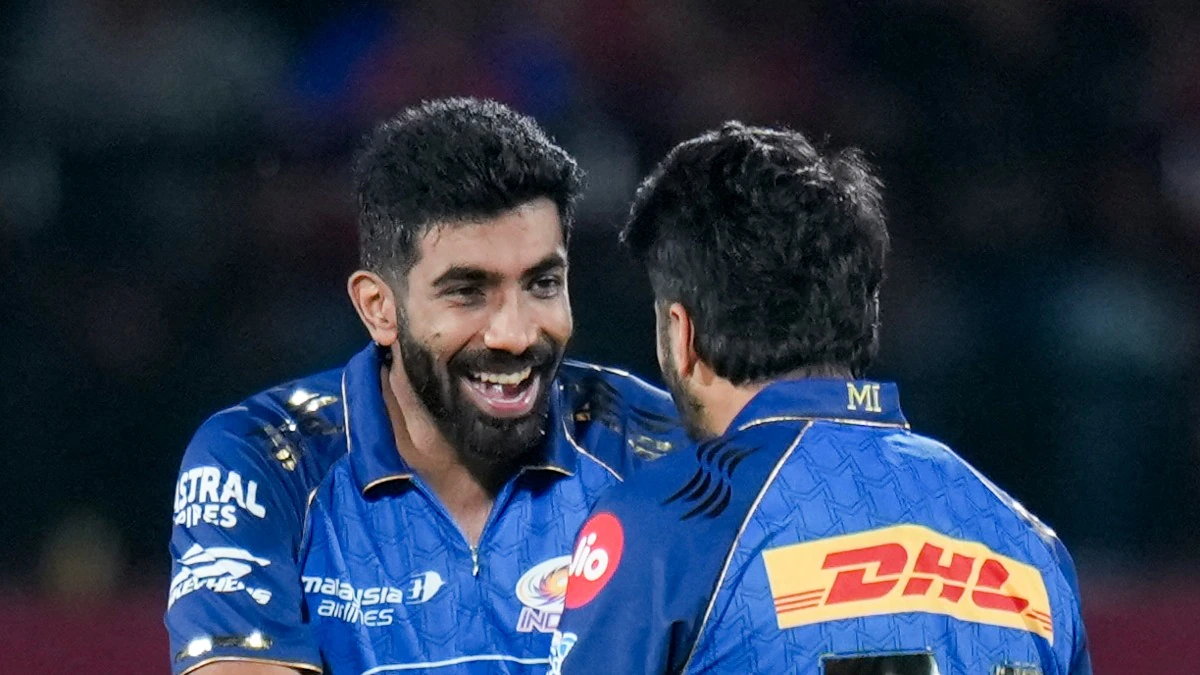
However, on a recent evening in Dharamsala, Jasprit Bumrah, stepping in as captain for the first time in the IPL, showcased the potential of a bowling captain. Notably, he didn’t take any wickets but still made a significant impact.
A Surprising Turn of Events
Bumrah found himself in the captaincy role due to the absences of Hardik Pandya and Suryakumar Yadav. At the toss, he openly acknowledged that he never anticipated being a captain in the IPL before serving in a Test match. This candid moment hints at larger implications regarding Mumbai Indians’ leadership decisions. After moving on from Rohit Sharma, the team had a ready option in Bumrah, who displayed an innate understanding of the game.
Interestingly, the IPL itself highlighted Bumrah’s leadership qualities rather than his bowling skills, which speaks volumes.
The Challenges for Bowling Captains
In the current cricketing climate, the statistics are not encouraging for bowling captains. Only Pat Cummins has managed to maintain a winning ratio that leans in his favor since the start of the Impact Player era. Many argue that leading from the front as a bowler adds extra pressure, as one must juggle personal performance with team strategy.
Yet, there’s something unique about a bowler in command. They understand the pressure on the field first-hand. They’re not just managing from afar; they share the same struggles and know the game’s nuances intimately.
Smart Decisions
During the match at HPCA Stadium, the pitch conditions were less favorable than usual. Bumrah made a wise choice to bowl first based on his observations of the surface. His approach focused on maintaining length and applying pressure—strategies that, while simple in theory, can be challenging to execute effectively, especially against aggressive batsmen.
Bumrah’s first two overs set the tone. Though he didn’t take wickets, he maximized the new ball advantage and established control. He then stepped aside, actively communicating with his bowlers, which is crucial in a game that can change rapidly.
Teamwork and Trust
One of the standout moments was when Deepak Chahar executed Bumrah’s plan perfectly, leading to a key wicket. The intent and strategy behind the captaincy were clear—Bumrah’s active involvement encouraged his bowlers to trust their instincts and follow through with the game plan.
With Shardul Thakur back in the team, Bumrah supported him, discussing strategies that yielded brilliant results. Thakur took crucial wickets, guided by Bumrah’s insights and encouragement, proving that communication on the field is vital.
Conclusion: The Future of Bowling Captains
As the game unfolded, it became evident that Bumrah’s approach could redefine bowling captains in the IPL. Despite a few hiccups, he adeptly navigated the flow of the match, proving that a captain who understands the pressures of bowling can be a game-changer.
While Mumbai Indians may have been playing for pride, they may have also discovered a potential future leader in Bumrah—a captain who stands not only at mid-off but also right beside his teammates, ready to guide and inspire. It remains to be seen if they will recognize this opportunity.
As the season progresses, keep an eye on Bumrah’s journey—his blend of tactical awareness and emotional support could very well shape the next chapter in IPL captaincy.
