
Brief
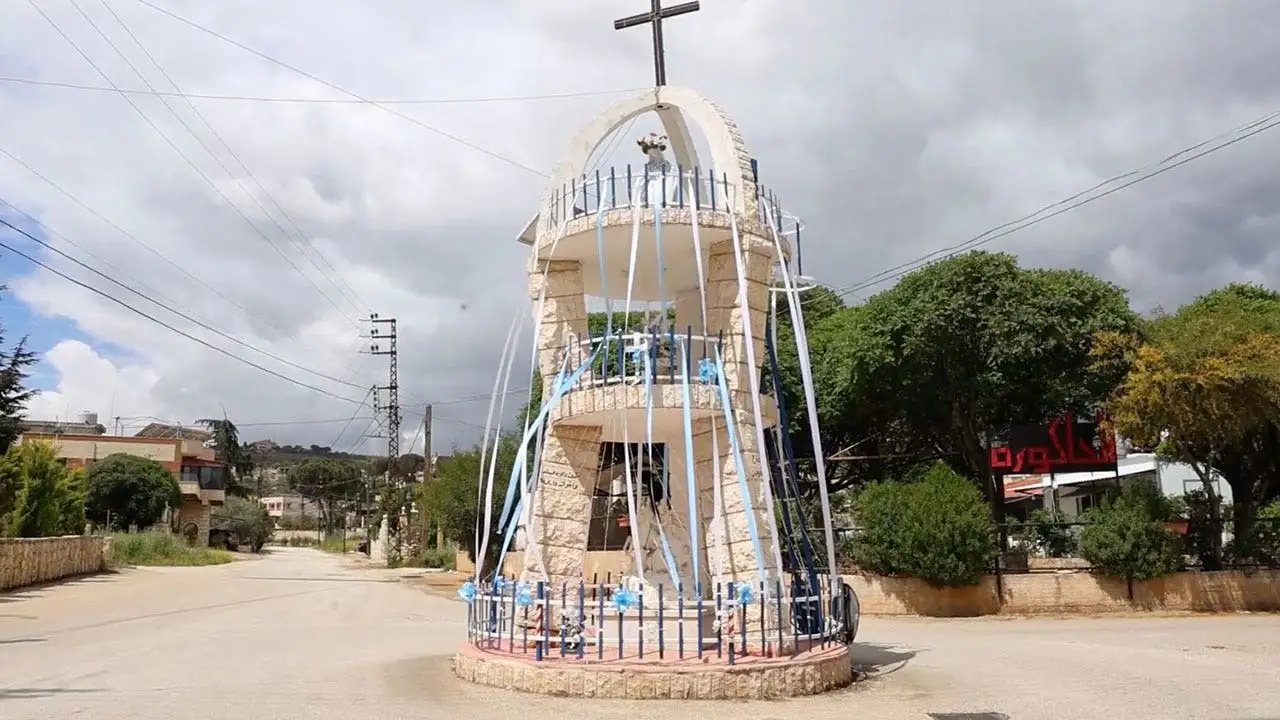
In the town of Rmeish, located on the Lebanon-Israel border, life continues as usual despite the ongoing conflict between Israel and Hezbollah. While many areas in southern Lebanon have faced heavy damage, Rmeish has largely remained intact. Local residents attribute their safety to a collective decision to prevent Hezbollah fighters from launching attacks from their town.
One local shared, “There were attempts for them to come to the edges of the village to fire rockets, but our young men stood up to them.” This resistance, they believe, has kept Israeli forces from targeting the community. Residents emphasize that Israeli strikes are not random; they focus on where threats originate.
The situation in Rmeish highlights an unusual resistance against Hezbollah in a region where such opposition is often considered a serious offense. Tarek, a Christian activist from the town, explained that their community has faced accusations of collaborating with Israelis for simply avoiding destruction that affected nearby towns.
As discussions take place between the U.S., Israel, and Lebanon regarding the weakening of Hezbollah’s military presence, the group’s leadership has firmly rejected any notion of disarmament. Analysts warn that the deadlock over Hezbollah’s disarmament may lead to further instability in Lebanon.
In a broader context, Tarek pointed to Iran’s influence on Hezbollah, stating, “Hezbollah has been in control for nearly 36 years, deeply involved in all parts of the government.” He believes reducing Iran’s power is essential for curbing Hezbollah’s influence.
Many residents in Rmeish feel that Hezbollah’s aims align with Iranian interests rather than those of Lebanon. As they navigate their existence amid the chaos, a woman from Rmeish expressed the emotional toll: “We live in fear and anxiety, surrounded by war.”
Despite the ongoing conflict, residents chose to stay put, driven by a strong sense of belonging and the desire for peace. “We’ve seen too much violence,” noted an older resident. “All we want is to live our lives in safety.”
Some locals rejected allegations of treason for their stance against Hezbollah. “Just because I disagree with your vision doesn’t make me a traitor,” one resident declared, reflecting the determination to maintain their autonomy and defend their home.
Ahed Al Hendi, a senior fellow at the Center for Peace Communications, remarked on this shift, noting that the Christian community in southern Lebanon has begun to openly challenge Hezbollah’s dominance, a notable change from the past when many felt silenced by fear.
