
India Expands Ties in the Caribbean and South America
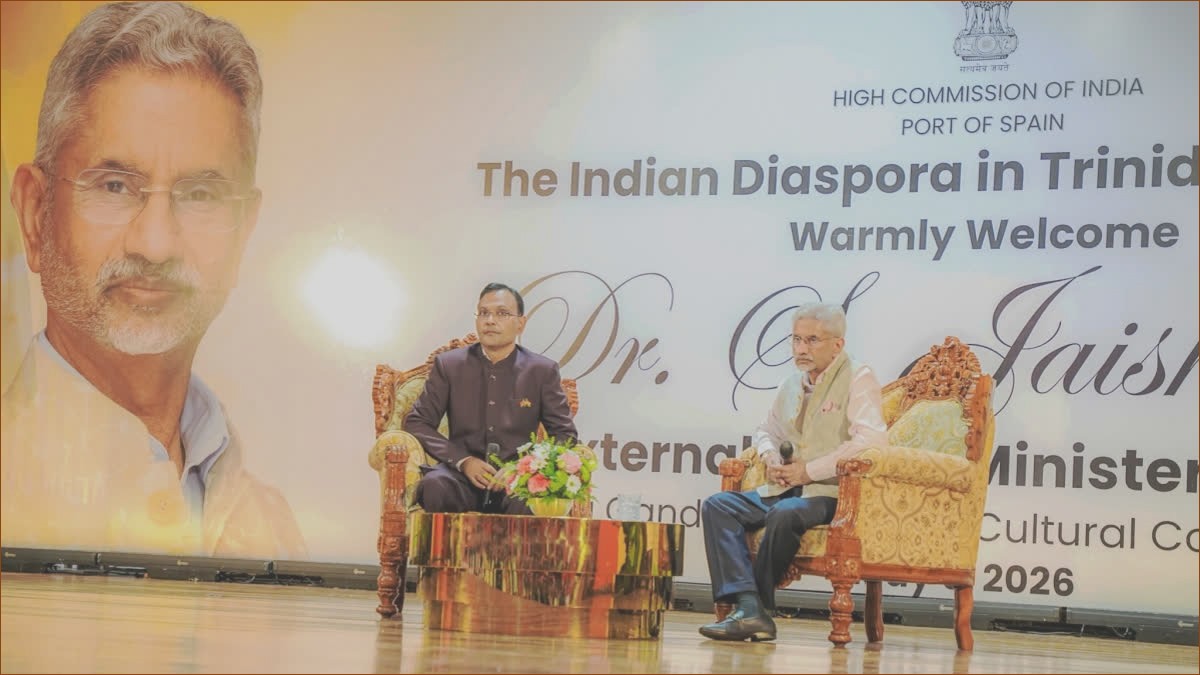
New Delhi: As India navigates a changing global landscape, External Affairs Minister S. Jaishankar recently visited Jamaica, Suriname, and Trinidad & Tobago from May 2 to 10. This trip signals India’s desire to strengthen connections beyond its traditional allies.
The focus on the Caribbean and South America highlights India’s commitment to enhancing South-South partnerships. A key advantage in this outreach is the long-standing Indian diaspora, which continues to play a significant role in building political, cultural, and economic relationships in these regions.
The Indian community in the Caribbean not only reinforces India’s cultural presence but also supports its diplomatic and economic goals. This approach reflects a broader diplomatic strategy that values social and cultural ties, offering a platform for meaningful cooperation amid ongoing discussions about reforming global governance and amplifying the voices of developing nations.
Visit to Jamaica
During his stay in Jamaica from May 2 to 4, Jaishankar engaged in discussions aimed at boosting political dialogue and cooperation across various sectors. He met with Jamaican leaders, emphasizing the historic ties built over more than 180 years, particularly through shared culture and diaspora links.
One significant result of this visit was the signing of three memoranda of understanding (MoUs) aimed at enhancing collaboration in health, solar energy, and media. These agreements are designed to facilitate joint projects that align with both nations’ developmental goals.
Jaishankar also highlighted India’s ongoing development efforts in Jamaica, including a rural livelihoods project funded by India that has benefited many locals. Discussions included deepening trade and business ties, particularly focusing on skilled worker mobility.
Cultural connections were further strengthened with a symbolic gift from India—an electronic scoreboard at Sabina Park in Kingston, illustrating the shared enthusiasm for cricket. Jaishankar also visited the Indian Arrival Memorial to honor the contributions of the Indian community in Jamaica.
Visit to Suriname
Jaishankar’s visit to Suriname on May 6 and 7 featured a joint commission meeting focusing on various sectors, including defense and education. He reaffirmed India’s commitment to enhancing the long-standing relationship between the two countries, offering soft loans to support Suriname’s infrastructure development.
During the visit, he inaugurated a Passion Fruit Processing Facility, demonstrating India’s investment in Suriname’s agricultural sector. Cultural ties were highlighted through visits to significant monuments and an exhibition tracing the history of Indian migration to Suriname.
Engaging with the Indian community, he emphasized India’s growth and commitment to being a trusted partner in Suriname’s development.
Visit to Trinidad & Tobago
From May 8 to 9, Jaishankar’s visit to Trinidad & Tobago was marked by discussions with Prime Minister Kamla Persad-Bissessar. Here, they explored ways to enhance cooperation, leading to the signing of eight MoUs addressing diverse issues like tourism, solar energy, and heritage preservation.
A notable moment was the handover of 2,000 laptops to schoolchildren, showcasing India’s support for education. Jaishankar also opened an agro-processing facility, illustrating India’s role in assisting local agriculture and small businesses.
Healthcare initiatives were significant as well, with both nations reflecting on successful projects like an artificial limb camp that benefited many locals. Moreover, the talks included future collaborations in security, infrastructure, and preserving cultural heritage.
Overall, Jaishankar’s visits illustrate India’s strategy of nurturing relations with the Caribbean and South America. This diplomatic initiative emphasizes building partnerships focused on trade, investment, and collaborative solutions to global challenges.
India’s approach blends history with strategic intent, leveraging its diaspora to foster connections that encourage mutual growth and understanding. In this way, India is not just seeking influence through power but is fostering collaboration that benefits all parties involved.
