
Trumps Calls for Armed Support in Iran’s Unrest
This week, President Donald Trump raised eyebrows by suggesting that Iranians might “fight back” if they had access to weapons. His comments have sparked a renewed discussion among Iranian dissidents, military experts, and some Republican lawmakers about whether the West should now consider supporting armed resistance against the Iranian government.
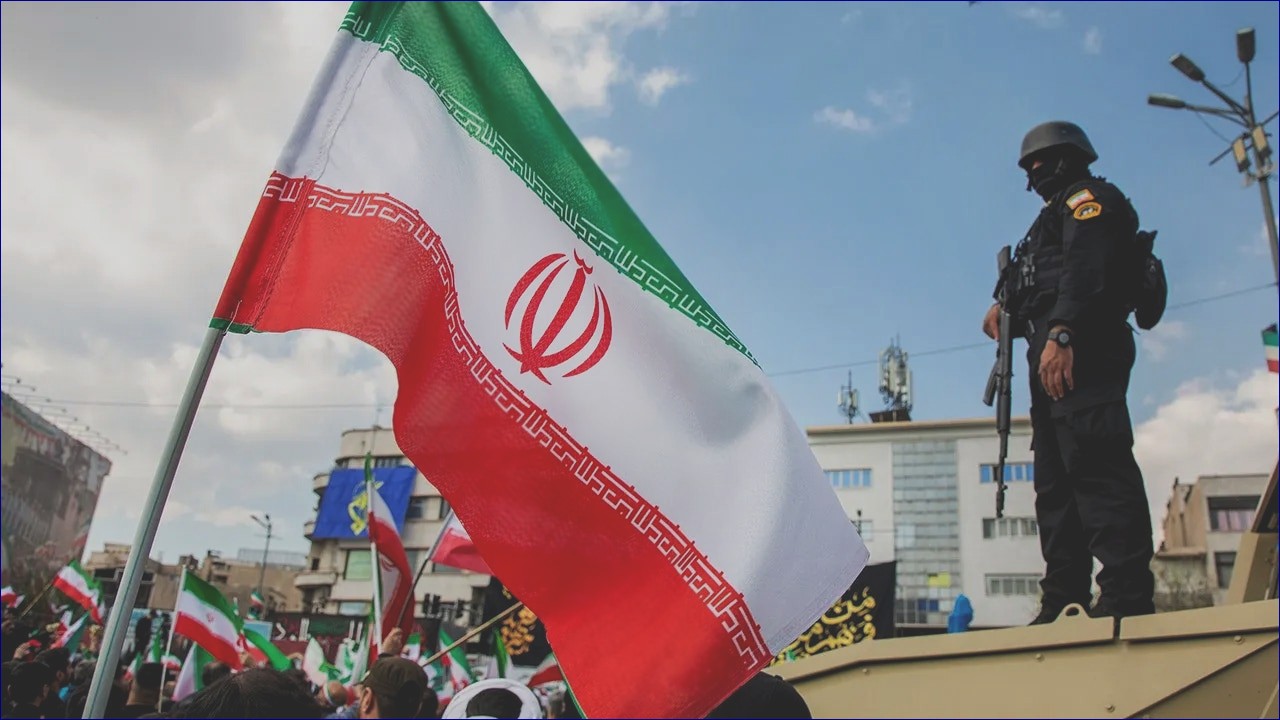
In a recent interview, Trump discussed ongoing protests in Iran, stating, “They have to have guns. And I think they’re getting some guns. As soon as they have guns, they’ll fight like, as good as anybody there is.” There’s growing concern within Iran as discontent continues to simmer, fueled by years of harsh crackdowns on protestors by the Islamic Revolutionary Guard Corps.
Supporters of a more assertive approach argue that traditional methods like sanctions and diplomacy have not led to real change. They believe this moment could be an unprecedented chance to challenge the regime from within. However, some critics caution that openly discussing armed resistance could put protestors at greater risk, deepen splits within opposition groups, and even provoke a civil war.
Brett Velicovich, a former military and intelligence specialist, likened the strategy to a “Reagan Doctrine 2.0,” emphasizing the need to give Iranians the tools to fight back themselves. He pointed out how modern drone technology can empower local fighters to challenge the regime.
The conversation has gained traction among Republican leaders. Senator Lindsey Graham recently advocated for arming Iranian civilians, describing it as a “Second Amendment solution.” He suggested if he were in Trump’s shoes, he would supply weapons to the Iranian people to help them fight for their rights.
Despite the push for more direct support, there remains significant debate about who should receive such assistance. Some supporters rally behind exiled figures like Crown Prince Reza Pahlavi, who has called for a unified front against the Iranian regime. Others point to various groups, including the People’s Mujahedin Organization of Iran (MEK) and various ethnic movements, that have also been active against the government.
Even as these discussions continue, there are warnings that any suggestion of foreign intervention could lead to more repression. Critics argue that the Iranian government already employs accusations of foreign influence to target dissidents and civil society members.
Instead, some advocate for efforts to support Iranian civic organizations and restore internet access, which has been crucial for organizing protests. The question remains: Can the current opportunity for change be seized without escalating the situation further?
While Trump’s remarks have opened a significant dialogue on this sensitive issue, it remains uncertain whether the U.S. will shift its strategy from sanctions to more direct support for resistance inside Iran. This unfolding situation is one that many are watching closely, as it could impact not just Iran but the broader Middle East as well.
