
Controversy Surrounds British Figures and Symbols
Over a hundred years ago, Britain was a land of progress and innovation. It played a key role in advancements in science and medicine, built extensive railroads, and created a robust middle class. Many also consider it the only major empire that took steps to abolish slavery and patrolled the oceans to prevent it elsewhere. However, opinions on this proud history seem to be shifting.
Recently, a significant debate arose over the removal of Winston Churchill’s image from the five-pound note by the Bank of England. This decision sparked outrage, with Reform UK leader Nigel Farage calling it “absolutely crackers,” as there’s a proposal to replace Churchill’s face with that of a beaver.
Churchill, who served as Prime Minister during World War II, has faced criticism and vandalism of his statue in Westminster, targeted twice since 2020. His leadership is often credited with keeping Britain free from Nazi control.
Alan Mendoza, the head of the Henry Jackson Society, believes that recent education policies have led to a denial of Britain’s true history. He argues that such ideologies, influenced by left-wing teaching unions, have taken root in the younger generation, prompting actions against notable historical figures.
The debate is not limited to Churchill. Statues of other historically significant figures, such as William Gladstone and Robert Peel, have also faced calls for removal or destruction. Some activists even question the identity of William Shakespeare, suggesting that being a white male writer is problematic.
Matt Goodwin, a presenter at GB News, expressed concern about these movements, asserting that they aim to undermine national identity and heritage through the lens of diversity and inclusion.
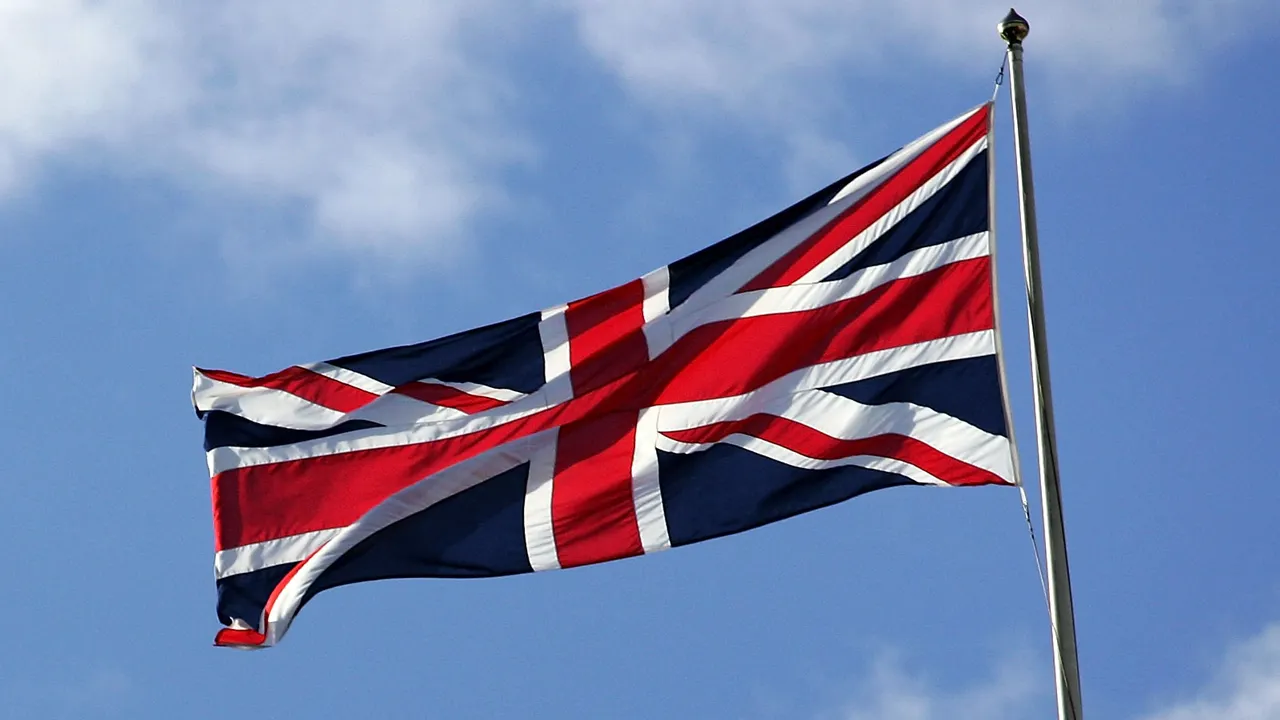
Moreover, symbols of national pride, like the Union Flag, are increasingly seen as controversial. Many left-wing individuals view displaying the flag as a sign of racism or anti-immigrant sentiment. Ben Habib of the Advance UK political party echoed this sentiment, stating that the push for inclusive representation often comes at the expense of national pride.
The climate has changed notably since the surge of Palestinian flags in Britain, following the recent Hamas conflict. As national flags re-emerged, some commentators stressed the importance of embracing shared cultural symbols.
In a time of economic downturn, where unemployment has risen and GDP growth stagnated, many Brits find solace in reclaiming these symbols of their nation. Government policies that have added financial burdens to businesses have only exacerbated economic struggles.
With shifting narratives around history, national pride, and economic challenges, Britain’s identity and heritage remain hotly contested topics.
