Close Menu
  • Home
  • World News
  • India News
  • Business News
  • Health
  • Sports
  • Indian Diaspora In US
  • Technology
  • Bollywood
  • Education
Facebook X (Twitter) Instagram
Thursday, July 16, 2026
Breaking News
  • The Wrap: Barbaccia’s Final Policy Initiative; DOE Discovers AI Cost Benefits; APFIT Surpasses $2B Mark
  • Awarapan Set for Cinematic Comeback on July 31, Battling Spider-Man: Brand New Day in Theaters!
  • BJP Skeptical About INDIA Bloc’s Solidarity
  • Joe Root’s Near-Century Sparks England’s Comeback Victory Over India in Cardiff ODI
  • DRC’s Foreign Minister Dismisses U.S.-China Tensions Over Congo’s Mineral Wealth
  • Rising Tides of Christian Persecution: Nigeria, Nicaragua, Syria, and India Spotlighted
  • Navigating the Global Stage: The World Cup’s Impact on Business and Geopolitics
  • Former India Captain Backs Smriti Mandhana to Lead ODI and Test Teams, Succeeding Harmanpreet Kaur
Facebook X (Twitter) Instagram
India Bulletin
Advertisement
  • Home
  • World News
  • India News
  • Business News
  • Health
  • Sports
  • Indian Diaspora In US
  • Technology
  • Bollywood
  • Education
India Bulletin
Home»World News»Iran Unleashes Explosive Vessels in Key Hormuz Shipping Corridor
World News

Iran Unleashes Explosive Vessels in Key Hormuz Shipping Corridor

March 13, 20263 Mins Read
Facebook Twitter Email
Share
Facebook Twitter Email


Iran’s New Naval Tactics: Explosive Drones in the Strait of Hormuz

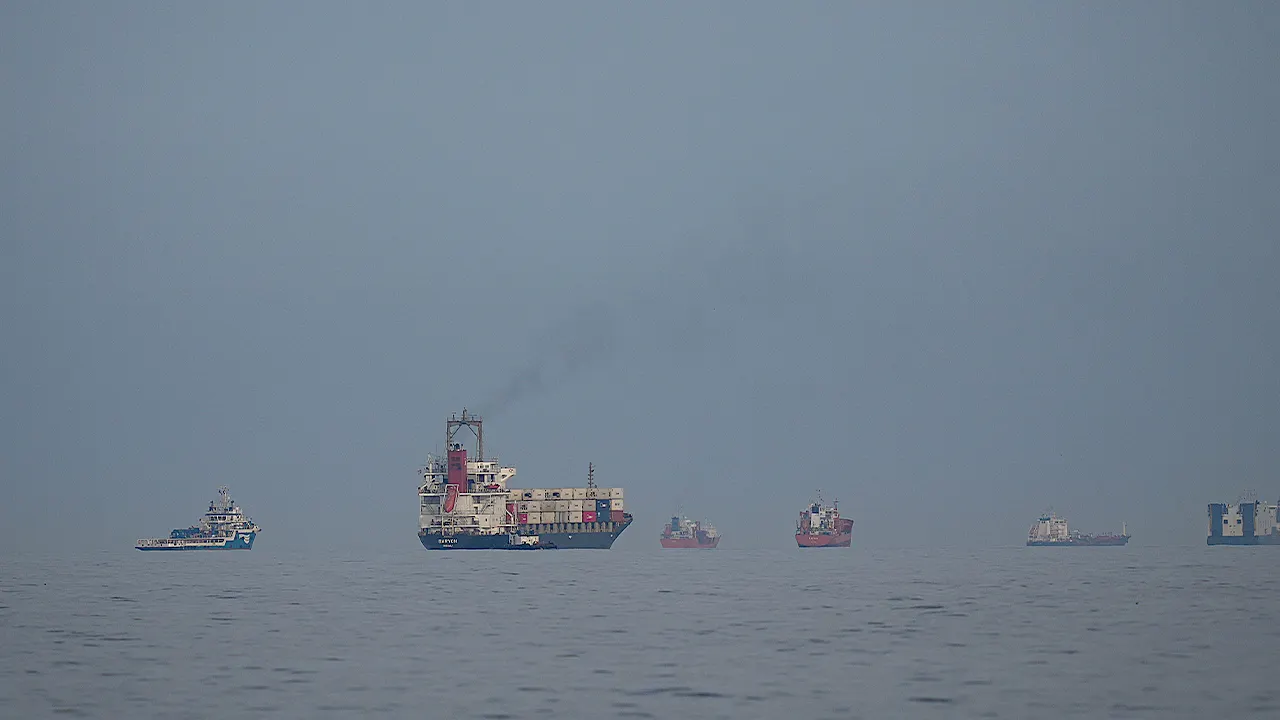
Iran is reportedly using explosive-packed drone boats disguised as wooden fishing ships in the Strait of Hormuz, signaling a shift in maritime warfare tactics, according to defense expert Cameron Chell. This warning comes after the United Kingdom Maritime Trade Operations (UKMTO) confirmed that an oil tanker, flagged from the Marshall Islands, was hit by an Iranian unmanned surface vehicle near Muscat, Oman, on March 1.

UKMTO noted that the tanker’s crew was safely evacuated following the attack. Following this incident, two more oil tankers were targeted on March 11 by remote-controlled explosive boats as Iran ramped up its strikes against foreign vessels, coinciding with the start of the U.S. Operation Epic Fury on February 28.

Chell explained that these “suicide skiffs” present a growing threat due to their stealthy nature. He highlighted the possibility that Iran employs advanced technology like radio remote control, encrypted communication, and frequency hopping for these attacks. Locating and neutralizing such small vessels is challenging, especially when many can be deployed at once.

He pointed out, “When there are 50 boats along the shoreline, it becomes difficult to track them all, especially when they look like ordinary fishing boats.” The drones could be manually controlled or, in some cases, operate autonomously, potentially allowing a single operator to manage a swarm of 10 boats.

In recent reports, six vessels were reportedly attacked in the Gulf and Strait of Hormuz. Iran has also deployed mines, complicating traffic through this vital waterway. In response, U.S. Treasury Secretary Scott Bessent indicated that the U.S. Navy might escort merchant ships in partnership with international forces, while U.K. Defense Secretary John Healey mentioned ongoing discussions with European allies about the strategic importance of the Strait.

However, Chell raised concerns over the readiness of current defense measures. He emphasized that the sophisticated drone defense mechanisms in use might not be suited to counter these smaller boats effectively. Manned aircraft typically target larger threats, making them less efficient against dozens of smaller, explosive-laden boats.

He also noted the need for comprehensive surveillance and rapid response capability given the geography of the Strait. As Iran’s Supreme Leader Mojtaba Khamenei threatens to leverage control over the Strait against the U.S. and Israel, oil prices are already on the rise, highlighting the high stakes involved.

Chell concluded by reiterating how the geography of the Strait facilitates this type of low-cost, asymmetric warfare. The disguising of explosive boats as fishing vessels allows them to appear harmless while posing significant risks to shipping routes.

In summary, the evolving tactics in the Strait of Hormuz present new challenges for international maritime safety and may impact global oil markets.

Iran military mojtaba khamenei us navy war with iran wars
Share. Facebook Twitter Email
admin
  • Website

Related Posts

DRC’s Foreign Minister Dismisses U.S.-China Tensions Over Congo’s Mineral Wealth

July 16, 2026

Africa’s Economic Boom Ignites New Conversations on U.S. Foreign Aid

July 16, 2026

Andy Burnham Sets Sights on UK Prime Ministership as Starmer Steps Aside

July 16, 2026
  • Facebook
  • Twitter
  • Instagram
Don't Miss

The Wrap: Barbaccia’s Final Policy Initiative; DOE Discovers AI Cost Benefits; APFIT Surpasses $2B Mark

Awarapan Set for Cinematic Comeback on July 31, Battling Spider-Man: Brand New Day in Theaters!

BJP Skeptical About INDIA Bloc’s Solidarity

Joe Root’s Near-Century Sparks England’s Comeback Victory Over India in Cardiff ODI

Started in 2004, India Bulletin is the largest and
most read South Asian publication
in Chicago and surrounding Midwest.

  • Home
  • About Us
  • Contact
  • Advertise With Us
  • Privacy Policy
  • Terms of Use
  • Disclaimer
  • CCPA
News
  • Bollywood
  • Business News
  • Health
  • India News
  • Indian Diaspora In US
  • Sports
  • Technology
  • World News
Facebook X (Twitter) Instagram

Type above and press Enter to search. Press Esc to cancel.

Accessibility Adjustments

Powered by OneTap

How long do you want to hide the toolbar?
Hide Toolbar Duration
Select your accessibility profile
Vision Impaired Mode
Enhances website's visuals
Seizure Safe Profile
Clear flashes & reduces color
ADHD Friendly Mode
Focused browsing, distraction-free
Blindness Mode
Reduces distractions, improves focus
Epilepsy Safe Mode
Dims colors and stops blinking
Content Modules
Font Size

Default

Line Height

Default

Color Modules
Orientation Modules