
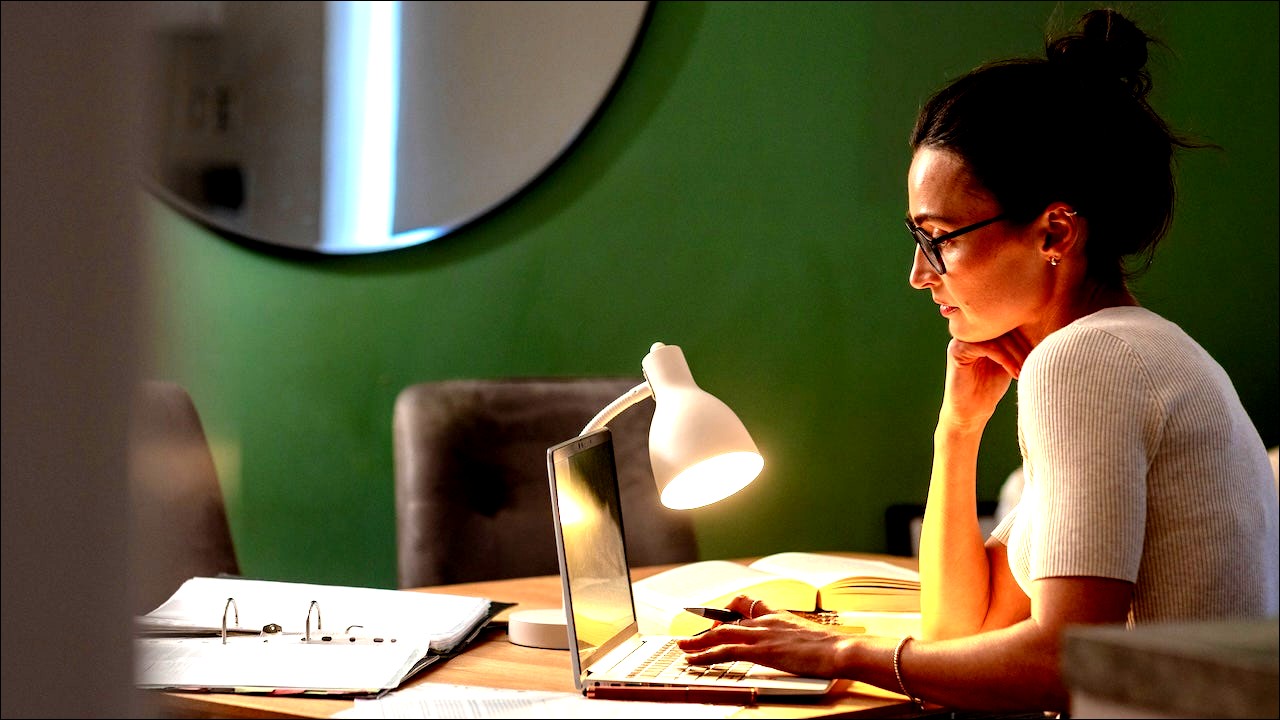
Rising Rates of Nearsightedness: A Global Concern
Nearsightedness, known as myopia, is becoming increasingly common around the world. The World Health Organization predicts that nearly half of the global population will be affected by myopia by the year 2050.
Recent research highlights that extensive use of smartphones and other devices is linked to a significant rise in myopia risk—an increase of up to 80% when combined with heavy computer usage. However, another possible cause has emerged: dim indoor lighting.
For a long time, scientists have been trying to understand what triggers myopia. In laboratory tests, they can induce myopia through blurring vision, while spending time outdoors has been shown to help slow its progression.
According to the American Optometric Association, myopia occurs when the eyeball grows too long, which causes light to focus in front of the retina, making distant objects appear blurry.
Researchers from the State University of New York (SUNY) College of Optometry have identified a potential factor influencing eye growth. When we look closely at objects, like our phones or books, our pupils naturally constrict.
“In bright outdoor conditions, the pupil constricts to protect the eye while ensuring enough light reaches the retina,” explained Urusha Maharjan, a doctoral student involved in the study. “When focusing on close objects indoors, the pupil may constrict not due to brightness, but to sharpen the image. In low light, this can significantly cut down retinal illumination.”
The study proposes that reduced light exposure during close-up work may cause the retina to signal the eye to grow. With pupils narrowed in a dim environment, not enough light reaches the retina to stop this growth.
In contrast, spending time outdoors provides brighter light, ensuring that even when the pupil is constricted, the retina still gets enough stimulation to support healthy growth.
While the research offers valuable insights, the team notes some limitations, such as a small sample size and the challenges in directly measuring changes within the eye.
Researchers suggest that increasing brightness during indoor tasks could be a straightforward way to help combat rising rates of nearsightedness.
“This study isn’t the final answer, but it does provide a hypothesis that examines how our visual habits, lighting, and focusing work together,” said Dr. Jose-Manuel Alonso, the study’s senior author.
The findings from this research were published in the journal Cell Reports.
